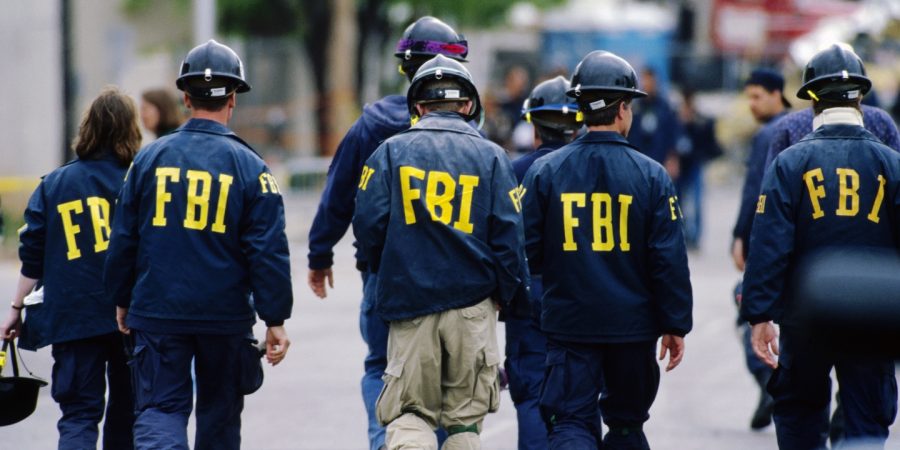
The FBI’s War on Crime: A Historical Perspective

justjlm.org – The Federal Bureau of Investigation (FBI), established in 1908, has played a pivotal role in the United States’ war on crime. Over the decades, the agency has evolved in response to changing societal threats, from bank robberies and kidnappings to cybercrime and terrorism. This article provides a historical perspective on the FBI’s efforts to combat crime, highlighting key moments and strategies that have shaped the agency’s approach to law enforcement.

The Early Years: Establishing Authority

In its early years, the FBI, then known as the Bureau of Investigation, focused on issues like land fraud and government corruption. However, the agency’s profile was significantly raised during the 1930s, under the leadership of J. Edgar Hoover. The FBI’s successful pursuit of notorious criminals such as John Dillinger and Bonnie and Clyde earned it a reputation as a formidable force in the fight against crime.

The Cold War Era: Counterintelligence and Domestic Surveillance

During the Cold War, the FBI’s priorities shifted towards counterintelligence and the surveillance of domestic political groups. The COINTELPRO program, aimed at disrupting civil rights and anti-war movements, is a controversial aspect of the FBI’s history, raising concerns about civil liberties and government overreach.

The Modern FBI: Adapting to New Threats

In the late 20th and early 21st centuries, the FBI has adapted to new forms of crime, including organized crime, drug trafficking, and white-collar crime. The post-9/11 era has seen a significant focus on counterterrorism, with the FBI playing a crucial role in preventing attacks and investigating acts of terrorism.

Technology and the FBI: Leveraging Innovation

Technological advancements have been a double-edged sword for the FBI. On one hand, they have provided powerful tools for investigation, such as DNA analysis and digital forensics. On the other, they have introduced new challenges, including cybercrime and the encryption of communications. The FBI has had to continually innovate to stay ahead of criminals who exploit technology for their own ends.

Conclusion: The Ongoing Battle

The FBI’s war on crime is an ongoing battle, with each victory against crime being met with new challenges. As society evolves, so too must the FBI, adapting its strategies and priorities to protect the nation from the ever-changing landscape of criminal activity. The agency’s history is a testament to its resilience and adaptability, as it continues to serve as the front line in the United States’ war on crime.

Countries with the Lowest Crime Rates: Safest Nations on Earth

justjlm.org – In a world where safety and security are paramount, individuals often seek out nations that offer a peaceful and crime-free environment. While no country can claim to be entirely free of crime, some have significantly lower rates, making them stand out as havens of safety. This article explores some of the safest nations on earth, characterized by their low crime rates and high levels of security.

Iceland: A Beacon of Peace

Topping the list of the safest countries is Iceland, renowned for its stunning landscapes and equally impressive safety records. With virtually no gun-related crimes and a strong sense of community, Iceland boasts one of the lowest crime rates globally. The country’s small population, effective policing, and high social welfare contribute to its status as one of the safest places on earth.

New Zealand: Safety Down Under

New Zealand, with its picturesque landscapes and welcoming culture, is another country that stands out for its safety. The nation has strict gun control laws, which have significantly contributed to its low rates of violent crime. New Zealand also scores high in terms of personal security and healthcare, making it an attractive destination for those seeking a safe haven.

Japan: A Model of Efficiency and Safety

Japan, known for its technological advancements and efficient systems, also ranks high in safety. The country has one of the lowest crime rates globally, attributed to its strong social cohesion, respect for the law, and a highly effective police force. Japan’s cities, like Tokyo, are known for their safety, cleanliness, and low levels of violent crime.

Singapore: The Lion City’s Safety Measures

Singapore, often referred to as the Lion City, is renowned for its strict laws and high standards of living. The city-state has one of the world’s lowest crime rates, thanks to its zero-tolerance approach to law enforcement and comprehensive surveillance systems. Singapore’s commitment to safety and cleanliness makes it a model city for others to emulate.

Switzerland: Alpine Peace and Security

Switzerland, with its stunning Alpine scenery and high-quality of life, is another safe haven. The country’s low crime rates can be attributed to its strong social welfare system, effective policing, and a culture of neutrality and peace. Switzerland’s cities, such as Zurich and Geneva, are known for their safety and high standards of living.

Denmark: Happiness and Safety Go Hand in Hand

Denmark, often cited as one of the happiest countries in the world, also ranks high in safety. The nation’s low crime rates are a reflection of its strong social bonds, effective policing, and a high level of trust among citizens. Denmark’s commitment to social welfare and equality contributes to its status as one of the safest countries globally.

Conclusion

While the quest for a crime-free society is ongoing, the countries mentioned above demonstrate that it is possible to achieve high levels of safety and security. Their success can be attributed to a combination of effective law enforcement, strong social welfare systems, and a culture of respect and community. For those seeking a safe haven, these nations offer a beacon of hope and a model of what can be achieved when safety and security are prioritized.