Couscous with Vegetables and Meat: A Flavorful Journey

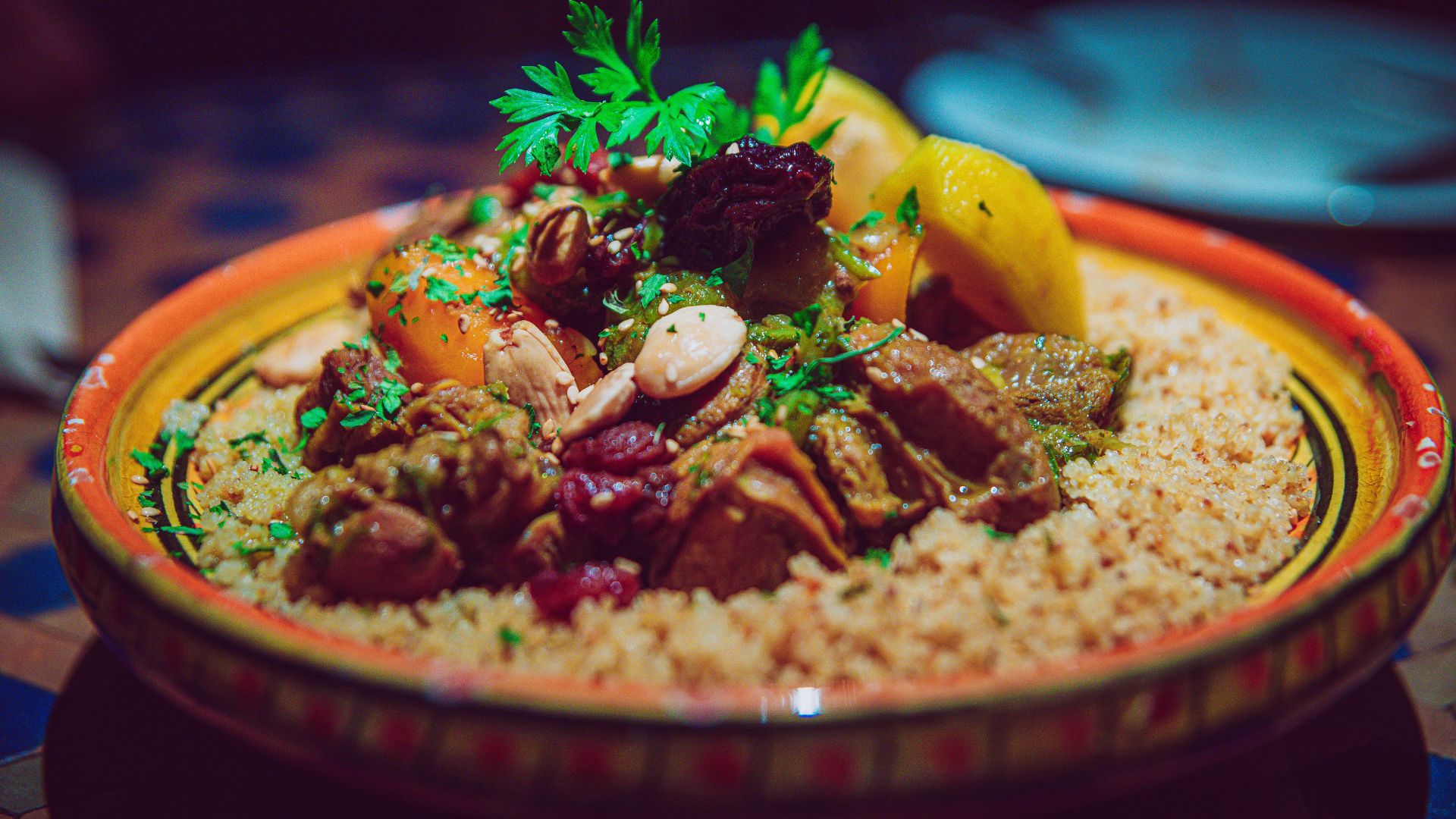
justjlm.org – Couscous, a staple grain in North African cuisine, offers a delightful balance of simplicity and versatility. This dish, typically served with a flavorful stew, is a comforting and nourishing meal that’s perfect for a weeknight dinner or a special occasion.   

Understanding Couscous

Couscous, while often mistaken for a grain, is actually semolina flour that has been coarsely ground and then steamed. This process results in small, pearl-like granules that cook quickly and absorb flavors beautifully.   

The Heart of the Dish: The Stew

The true magic of this dish lies in the accompanying stew. Traditionally, stews feature a rich blend of meats, vegetables, and aromatic spices. Common ingredients include:   

  • Meat: Chicken, lamb, beef, or even sausage can be used.   
  • Vegetables: Onions, garlic, carrots, bell peppers, zucchini, and tomatoes are frequent additions.
  • Spices: The spice profile varies depending on regional preferences, but often includes cumin, coriander, turmeric, paprika, and harissa (a North African chili paste).   
  • Broth: Vegetable or meat broth provides the base for the stew, simmering the flavors together.

Cooking Techniques

  • Steaming the Couscous: Couscous is typically steamed in a special pot called a “couscoussier,” which has a lower compartment for the stew and an upper compartment for the couscous. Alternatively, you can use a large pot with a steamer basket.   
  • Simmering the Stew: The stew is simmered gently on the stovetop, allowing the flavors to meld together.

Variations and Regional Influences

The beauty of Couscous with Vegetables and Meat lies in its adaptability.

  • Moroccan: Often features preserved lemons, dried apricots, and ras el hanout (a warm blend of spices).
  • Algerian: May include chickpeas, dates, and a touch of harissa for a spicy kick.
  • Tunisian: Frequently incorporates olives, capers, and a generous amount of fresh herbs like parsley and mint.

Serving Suggestions

  • Traditional: Serve the steaming hot couscous alongside the fragrant stew. Garnish with fresh herbs, chopped nuts, and a squeeze of lemon or lime.
  • Side Dishes: Accompany the dish with a simple salad of mixed greens, yogurt, or a dollop of harissa.
  • Bread: Enjoy with crusty bread to soak up the flavorful juices.

Beyond the Plate: Cultural Significance

Couscous holds deep cultural significance in North Africa, often served during festive occasions and shared meals. It’s a dish that brings people together, fostering a sense of community and tradition.   

A Culinary Journey Awaits

Whether you’re a seasoned cook or a culinary novice, Couscous with Vegetables and Meat is a rewarding dish to explore. Experiment with different ingredients, spices, and cooking methods to create your own unique version of this classic.

Machboos: A Flavorful Feast – A Symphony of Spices & Rice

justjlm.org – Machboos, a beloved dish in the Middle East, is a fragrant and flavorful rice dish that often incorporates meat, vegetables, and a unique blend of spices. While similar to Kabsa, Machboos distinguishes itself with its distinct spice profile and the inclusion of a wider variety of vegetables.  

Key Ingredients and Flavors

The core ingredients of Machboos are:

  • Basmati Rice: This long-grain rice is the foundation of the dish, known for its delicate texture and fragrant aroma.   
  • Meat: Chicken, lamb, or beef are commonly used, but other meats like fish or shrimp can also be incorporated.
  • Vegetables: A colorful array of vegetables, including carrots, peas, and green beans, adds texture and nutrients to the dish.
  • Spices: A blend of aromatic spices, such as cardamom, cloves, cinnamon, cumin, and black pepper, gives Machboos its distinctive flavor profile.   
  • Stock or Broth: This liquid infuses the rice with flavor and helps it cook evenly.

The Cooking Process

The preparation of Machboos typically involves the following steps:

  1. Marination: The meat is marinated in a mixture of spices, often including lemon juice, garlic, and olive oil.
  2. Sautéing: The marinated meat is sautéed until browned, then set aside.
  3. Spicing the Rice: The rice is seasoned with a blend of spices, including cardamom, cloves, cinnamon, cumin, and black pepper.
  4. Cooking the Rice: The spiced rice is cooked in a pot with the meat and vegetables, along with the stock or broth.   
  5. Simmering: The dish is simmered until the rice is cooked and the flavors have blended.

The Cultural Significance of Machboos

Machboos is more than just a meal; it’s a cultural experience. It is often served on special occasions and holidays, symbolizing hospitality and generosity. The dish’s rich flavors and aromatic spices make it a feast for the senses.

In conclusion, Machboos is a versatile and delicious dish that can be adapted to suit various tastes and dietary preferences. Whether you’re a seasoned cook or a novice in the kitchen, Machboos is a rewarding culinary adventure that will impress your family and friends.

Aloo Gobi: A Simple Yet Flavorful Indian Delight

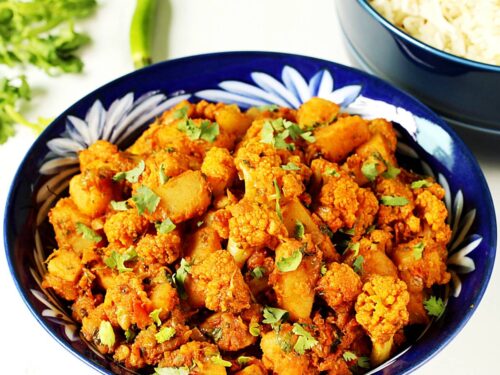
justjlm.org – Aloo Gobi is a beloved vegetarian dish hailing from the Indian subcontinent. This simple yet incredibly flavorful combination of potatoes (aloo) and cauliflower (gobi) cooked in a fragrant and spicy sauce has captured the hearts of food lovers worldwide. It’s a versatile dish that can be enjoyed as a main course or a side dish, and it’s equally delicious served hot or cold.   

The Origins of Aloo Gobi

The exact origins of Aloo Gobi are somewhat shrouded in culinary history, but it’s widely believed to have originated in the Punjab region of India. The dish’s popularity can be attributed to its simplicity, affordability, and the perfect balance of flavors. Potatoes and cauliflower, two humble vegetables, are transformed into a culinary masterpiece through the magic of Indian spices.   

The Key Ingredients

To create a mouthwatering Aloo Gobi, you’ll need a few key ingredients:

  • Potatoes and Cauliflower: The stars of the show, these vegetables are cut into bite-sized pieces and cooked until tender.   
  • Spices: A blend of aromatic spices, including cumin, coriander, turmeric, red chili powder, and garam masala, infuses the dish with a vibrant flavor profile.   
  • Onions and Tomatoes: These form the base of the sauce, providing sweetness and tanginess.   
  • Herbs: Fresh cilantro adds a burst of freshness and a touch of green to the dish.   

The Cooking Process

  1. Preparing the Vegetables: The potatoes and cauliflower are typically cut into florets and parboiled to soften them. This ensures even cooking and prevents them from becoming mushy.
  2. Sautéing the Aromatics: Onions and ginger-garlic paste are sautéed in oil until they turn golden brown, releasing their fragrant oils.   
  3. Creating the Sauce: The sautéed onions are combined with tomatoes, spices, and herbs to create a flavorful sauce.
  4. Cooking the Vegetables: The parboiled potatoes and cauliflower are added to the sauce and cooked until they are tender and well-coated.
  5. Finishing Touches: The dish is often garnished with fresh cilantro and can be served with a dollop of yogurt or a squeeze of lemon juice.   

Serving Suggestions

Aloo Gobi is incredibly versatile and can be paired with a variety of dishes. Here are a few suggestions:   

  • Indian Breads: Serve it with naan, roti, or paratha for a hearty and satisfying meal.   
  • Rice: Pair it with steamed basmati rice for a lighter option.
  • Yogurt: A dollop of yogurt can help to balance the spiciness of the dish.   
  • Pickles: Indian pickles, such as mango pickle or mixed vegetable pickle, can add a tangy flavor to the dish.

Barbagiuan: A Taste of Monaco’s Culinary Heritage

justjlm.org – Barbagiuan, often considered Monaco’s national dish, is a savory pastry that encapsulates the rich culinary traditions of the French Riviera. These delectable treats are typically filled with a savory mixture of ricotta cheese and Swiss chard, although variations may include other ingredients like pumpkin or spinach.   

A Brief History

The origins of Barbagiuan can be traced back to the medieval town of Castellar, located in the Alpes-Maritimes department of France. It is believed that women from Castellar would travel to Monaco to sell these savory pastries in the local markets. Over time, Barbagiuan became a beloved part of Monegasque cuisine, particularly enjoyed on the country’s National Day, November 19th.   

The Making of a Barbagiuan

Creating a Barbagiuan involves a delicate balance of flavors and textures. The process typically involves the following steps:

  1. Preparing the Dough: A simple dough is made with flour, olive oil, eggs, and water. It is rolled out thinly and cut into rounds.   
  2. Creating the Filling: The filling is a flavorful combination of ricotta cheese, Swiss chard, and other ingredients like herbs, spices, and garlic. The mixture is cooked until the chard is tender and the flavors are well-blended. 
  3. Assembling the Barbagiuan: A spoonful of the filling is placed in the center of each dough round. The edges are then pinched together to form a half-moon shape.
  4. Frying to Perfection: The Barbagiuan are deep-fried until golden brown and crispy.   

A Culinary Experience

Barbagiuan offers a delightful contrast of textures and flavors. The crispy outer shell gives way to a soft, savory filling that is both comforting and satisfying. These pastries are often enjoyed as an appetizer or a light snack, but they can also be part of a larger meal.

While Barbagiuan is a traditional dish, it has also inspired modern culinary creations. Chefs have experimented with different fillings, such as mushroom and truffle, to create unique and innovative versions of this classic treat.

Prebranac: A Hearty Balkan Bean Stew – A Blend of Flavors

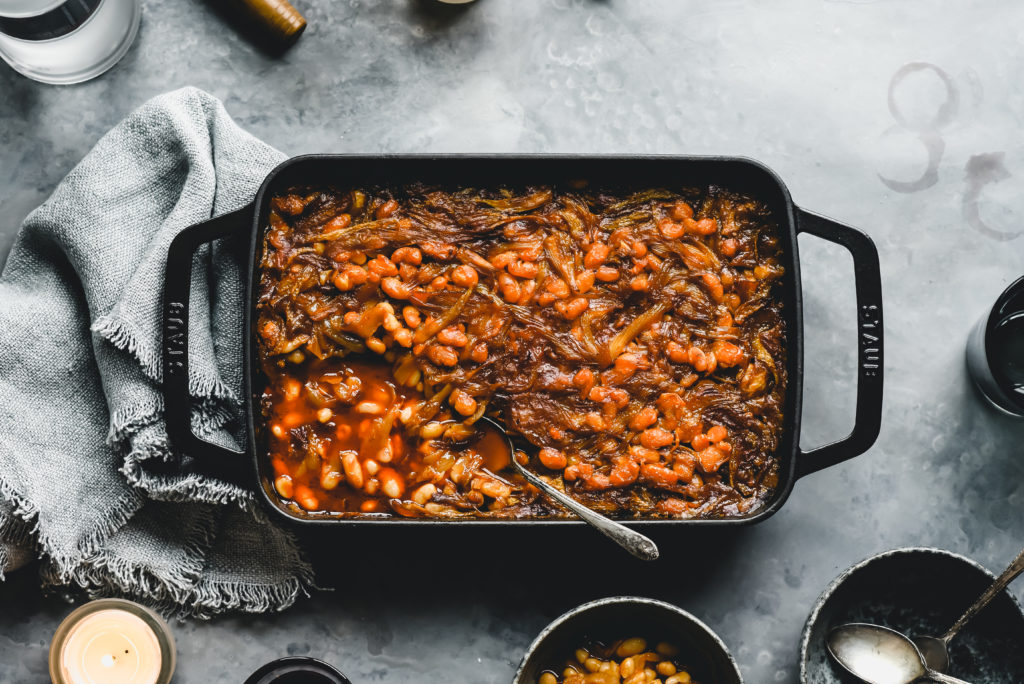
justjlm.org – Prebranac, a hearty and flavorful bean stew, is a beloved dish in the Balkans. This simple yet satisfying meal is a staple of Serbian cuisine, particularly in the mountainous regions. It’s often served during the colder months, providing warmth and comfort on chilly days.

A Blend of Flavors

The foundation of prebranac is white beans, which are simmered until tender and creamy. Onions and garlic are sautéed until golden brown, adding a rich flavor and aroma to the stew. A variety of spices, including paprika, black pepper, and bay leaves, are added to enhance the taste and create a complex flavor profile.

A Culinary Tradition

Prebranac is a dish that has been passed down through generations. It’s often prepared in large quantities, as it’s a perfect meal for sharing with family and friends. The stew is typically served with a side of crusty bread, which is ideal for soaking up the flavorful broth.

A Versatile Dish

Prebranac is a versatile dish that can be adapted to suit individual preferences. Some variations include adding smoked meat, such as smoked sausage or bacon, to the stew. Others may incorporate vegetables like carrots or celery, adding a colorful and nutritious element.

A Taste of the Balkans

Prebranac is a true taste of the Balkans, offering a glimpse into the region’s rich culinary heritage. It’s a dish that celebrates simplicity, tradition, and the flavors of the land. Whether enjoyed on a cold winter’s day or as a hearty lunch, prebranac is sure to satisfy and delight.

Boeuf Bourguignon: Flavors – A Hearty French Beef Stew

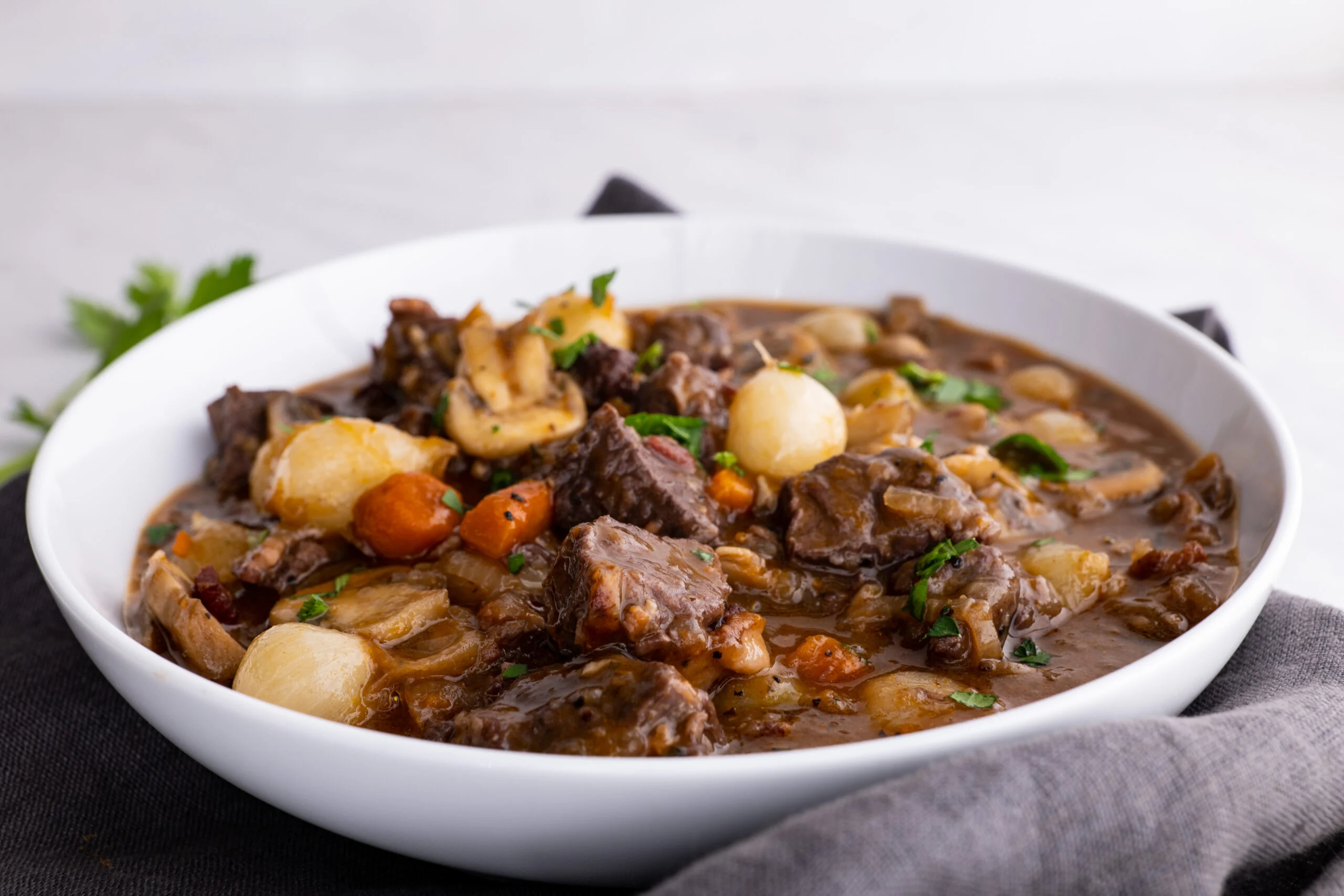
justjlm.org – Boeuf Bourguignon, a classic French dish, is a testament to the art of slow cooking. This hearty beef stew, braised in a rich red wine sauce, is a symphony of flavors that dances on the palate. The tender, melt-in-your-mouth beef, the earthy mushrooms, the sweet pearl onions, and the robust red wine sauce combine to create a dish that is both comforting and elegant.   

The Origins of Boeuf Bourguignon

While the exact origins of Boeuf Bourguignon are shrouded in mystery, it is believed to have originated in the Burgundy region of France. The dish is said to have been popularized by the renowned French chef, Auguste Escoffier, in the early 20th century. However, the roots of the dish likely go back much further, perhaps even to the Middle Ages.   

Key Ingredients and Techniques

The key to a truly exceptional Boeuf Bourguignon lies in the quality of the ingredients and the meticulous preparation. Here are some of the essential components:

  • Beef: Traditionally, Boeuf Bourguignon is made with beef chuck, a cut that is well-suited for slow cooking. The long, slow braising process tenderizes the meat and infuses it with flavor.  
  • Red Wine: A good quality red wine, such as Burgundy or Bordeaux, is essential for the sauce. The wine adds depth of flavor and acidity to the dish.   
  • Vegetables: Carrots, onions, and garlic are the classic vegetables used in Boeuf Bourguignon. They add sweetness, savoriness, and aromatic complexity to the sauce. 
  • Mushrooms: Cremini or button mushrooms are commonly used, but other varieties, such as shiitake or porcini, can also be added for extra flavor.  
  • Pearl Onions: These tiny onions add a touch of sweetness and elegance to the dish.  
  • Bacon: A few strips of bacon, rendered and added to the pot, contribute a smoky, savory flavor. 
  • Herbs and Spices: Thyme, bay leaves, and black pepper are the primary seasonings used in Boeuf Bourguignon.

The technique of braising is crucial to the success of this dish. The meat and vegetables are seared to develop a rich, caramelized crust, then simmered slowly in a flavorful liquid until they are tender and succulent.

A Modern Twist on a Classic

While the traditional recipe for Boeuf Bourguignon is beloved by many, there are endless variations that can be explored. Some modern chefs experiment with different cuts of beef, such as short ribs or oxtail, or incorporate exotic ingredients like truffles or foie gras. However, the core elements of the dish – the rich, flavorful sauce, the tender meat, and the hearty vegetables – remain unchanged.

Serving Suggestions

Boeuf Bourguignon is a versatile dish that can be enjoyed in a variety of ways. It is often served with buttery mashed potatoes, egg noodles, or crusty bread. A glass of red wine, such as the one used in the sauce, is the perfect accompaniment.   

Whether you’re a seasoned home cook or a novice in the kitchen, Boeuf Bourguignon is a dish that is well worth the effort. With its rich history, complex flavors, and comforting warmth, it is sure to become a favorite in your household.

Durian: The King of Fruits, A Controversial Delight

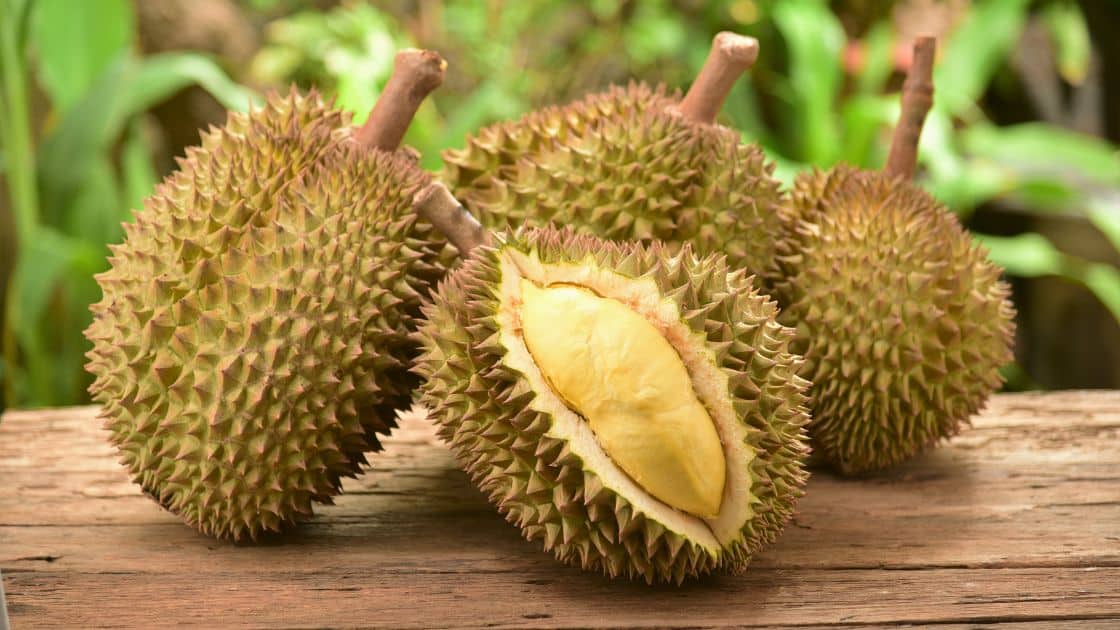
justjlm.org – The durian, a large, spiky fruit native to Southeast Asia, is often referred to as the “king of fruits.” However, this title is not without controversy. While some people rave about its creamy, custard-like flesh and complex flavors, others find its pungent odor overwhelming and repulsive. This article delves into the world of durian, exploring its unique characteristics, cultural significance, and the reasons behind its divisive reputation.   

A Controversial Aroma

The most distinctive feature of the durian is undoubtedly its pungent odor. This strong scent, which has been likened to everything from rotten eggs to turpentine, is caused by a complex mixture of sulfur compounds. While some people find this aroma intoxicating, others find it unbearable. In fact, many hotels and public transportation systems in Southeast Asia have signs prohibiting the consumption of durian due to its powerful smell.   

Despite its controversial odor, the durian has a long history of cultivation and consumption in Southeast Asia. It is particularly popular in countries such as Thailand, Malaysia, and Indonesia, where it is often enjoyed as a snack or used in various culinary preparations. The fruit is typically eaten fresh, but it can also be added to desserts, curries, and other dishes.   

A Nutritional Powerhouse

Beyond its distinctive flavor and aroma, the durian is also a nutritional powerhouse. It is an excellent source of carbohydrates, protein, and fiber, as well as essential vitamins and minerals such as vitamin C, potassium, and magnesium. The fruit is also rich in antioxidants, which can help protect the body against damage from free radicals.   

The Durian Experience

For those who are willing to brave the durian’s pungent odor, the reward is a unique and unforgettable taste experience. The flesh of the fruit is creamy and custard-like, with a sweet and savory flavor that has been described as a combination of caramel, almond, and onion. The texture is also quite interesting, ranging from soft and buttery to slightly fibrous, depending on the ripeness of the fruit.   

Cultivation and Harvest

Durian trees are large and evergreen, typically reaching heights of 25 to 30 meters. The trees produce large, spiky fruits that can weigh up to 3 kilograms. The durian season varies depending on the region, but it typically occurs between June and August in Southeast Asia.   

Harvesting durian is a delicate process that requires skill and experience. The fruits are typically harvested by hand, and great care is taken to avoid damaging the delicate flesh. Once harvested, the durians are often sold at local markets or exported to other countries.   

Conclusion

The durian, with its distinctive odor and unique flavor, is a truly polarizing fruit. While some people are repulsed by its smell, others find it to be an irresistible delicacy. Whether you love it or hate it, there is no denying that the durian is a fascinating and iconic fruit that has captured the imagination of people around the world.

Khanom Man Tone: A Cassava Delight – A Symphony of Flavors

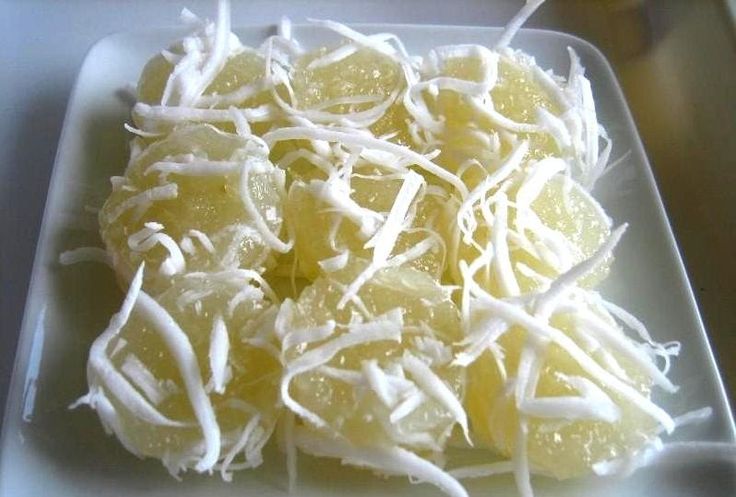
justjlm.org – Khanom Man Tone, a delightful Thai dessert, is a testament to the versatility of cassava root. This simple yet satisfying treat has been a beloved part of Thai cuisine for centuries, offering a unique blend of textures and flavors.

A Humble Root, A Noble Dish

Cassava, a starchy root vegetable, is a staple food in many tropical regions. In Thailand, it’s transformed into a variety of dishes, including Khanom Man Tone. This dessert showcases the root’s natural sweetness and lends itself to a soft, chewy texture that’s both comforting and refreshing.   

The Art of Preparation

Preparing Khanom Man Tone is a relatively simple process. The cassava root is grated and mixed with sugar, coconut milk, and a touch of salt. The mixture is then steamed in a mold until it sets, resulting in a cake-like consistency. The simplicity of the ingredients belies the complexity of flavors and textures that emerge.

A Symphony of Flavors

The beauty of Khanom Man Tone lies in its subtle interplay of flavors. The natural sweetness of the cassava is balanced by the richness of coconut milk, creating a harmonious taste sensation. The addition of a pinch of salt enhances the overall flavor profile, elevating the dessert to new heights.

A Cultural Treasure

Khanom Man Tone is more than just a dessert; it’s a cultural treasure that reflects the ingenuity and resourcefulness of Thai people. By utilizing a humble root vegetable, they have created a delicious and satisfying treat that has stood the test of time.

A Modern Twist

While traditional Khanom Man Tone is a beloved classic, modern chefs have taken inspiration from this dessert to create innovative variations. Some have experimented with different flavors, such as pandan or durian, while others have played with the presentation, creating intricate designs and colorful toppings.

A Culinary Journey

Whether you’re a seasoned foodie or a casual dessert enthusiast, Khanom Man Tone is a must-try. Its simple ingredients and straightforward preparation make it a versatile dessert that can be enjoyed by people of all ages. So, the next time you’re craving a delicious and satisfying treat, consider indulging in this Thai gem.

Acarajé: A Taste of Brazil’s Culinary Heritage

justjlm.org – Acarajé is a beloved street food hailing from the northeastern region of Brazil, particularly popular in the state of Bahia. This deep-fried delicacy is not just a treat for the taste buds but also a significant cultural symbol with deep roots in Afro-Brazilian traditions. Made from black-eyed pea dough and often filled with shrimp, acarajé is a dish that embodies the rich history and vibrant flavors of Brazilian cuisine.

Historical Roots and Cultural Significance

The origins of acarajé can be traced back to West Africa, brought to Brazil by enslaved Africans during the transatlantic slave trade. In Brazil, it became a staple in Candomblé religious ceremonies, where it was offered to the deities, or “orixás.” Today, acarajé is more than just a food item; it is a representation of the Afro-Brazilian community’s resilience and cultural heritage.

Ingredients and Preparation

Acarajé is traditionally made using black-eyed peas, which are peeled and ground into a smooth dough. The dough is seasoned with salt and onions before being shaped into balls or patties. These are then deep-fried in dendê oil, a type of palm oil that imparts a distinct, rich flavor to the dish.

The filling of acarajé typically includes a spicy paste made from shrimp, cashews, peanuts, and a blend of spices like ginger and pepper. This filling adds a savory and spicy dimension to the already flavorful dough.

Serving and Enjoyment

Acarajé is often served hot, accompanied by a variety of condiments and sides such as vatapá (a creamy paste made from bread, shrimp, coconut milk, and palm oil) and caruru (a dish made from okra, shrimp, and palm oil). The combination of these ingredients creates a complex and satisfying flavor profile that is both spicy and savory.

In Bahia, acarajé is commonly sold by women known as “baianas,” who don traditional white dresses and headscarves as they prepare and sell the dish from street stalls. Their presence is as much a part of the acarajé experience as the food itself, adding to the cultural richness of this culinary tradition.

Conclusion

Acarajé is more than just a delicious snack; it is a symbol of cultural identity and historical continuity for the Afro-Brazilian community. Its preparation and consumption are acts of cultural preservation, celebrating the flavors and traditions that have been passed down through generations. Whether enjoyed on the bustling streets of Salvador or at a local festival, acarajé offers a taste of Brazil’s diverse and vibrant culinary landscape.

Viking Sustenance: Porridge and Mead

justjlm.org – The Vikings, renowned for their seafaring prowess and exploratory spirit, also had a unique culinary culture. Central to their diet were two staples: porridge and mead. These foods not only provided the Vikings with necessary sustenance but also played significant roles in their social and cultural practices.

The Role of Porridge in the Viking Diet

Porridge was a fundamental part of the Viking diet, made primarily from grains like barley, oats, and rye. These grains were cultivated in the challenging Scandinavian climate and were hardy enough to sustain the Vikings through harsh winters. Porridge was versatile, served both as a staple meal and enriched with ingredients like nuts, honey, or dried fruits for variety. It was easy to prepare and provided a dense source of carbohydrates, essential for the energy-demanding lifestyle of the Vikings, who were often engaged in farming, trading, or raiding.

The Significance of Mead

Mead, an alcoholic beverage made from fermented honey, was more than just a drink for the Vikings; it was a symbol of status and a central element in their social rituals. Mead was consumed during feasts and celebrations and was often associated with the gods in Norse mythology, particularly Odin, who was said to have a fondness for the drink. The production of mead required honey, a valuable resource, which made it a luxury item. It was a drink of choice for warriors and nobility, often served in ornate drinking vessels and accompanied by toasts and storytelling.

Cultural and Social Implications

The consumption of porridge and mead was deeply embedded in Viking culture. Porridge represented the everyday sustenance that fueled the Vikings, while mead was a symbol of hospitality and camaraderie. Feasts where mead was served were opportunities for social bonding, negotiations, and even the sealing of alliances. These gatherings strengthened community ties and reinforced social hierarchies.

Conclusion

Porridge and mead were more than mere sustenance for the Vikings— they were integral to their way of life, reflecting both their daily needs and their cultural values. As Viking society evolved, these staples remained a testament to their resilience and adaptability, embodying the spirit of a people who balanced the demands of everyday life with the joys of communal celebration.

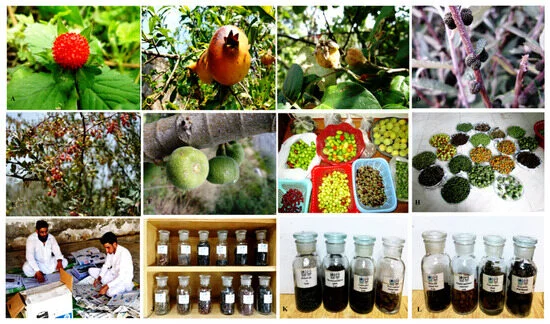
Cultural Significance and Uses: The Ethnobotany of Wild Fruits

justjlm.org – The ethnobotanical study of wild fruits encompasses the exploration of the cultural significance and various uses of these natural resources among different communities worldwide. Wild fruits, often overlooked in the modern era of cultivated produce, hold a wealth of knowledge and tradition that has been passed down through generations. This article delves into the multifaceted roles wild fruits play in human societies, from their nutritional value to their medicinal properties and cultural importance.

Cultural Significance of Wild Fruits

Wild fruits have been an integral part of human diets since prehistoric times, and their significance extends beyond mere sustenance. They are often woven into the fabric of cultural traditions, folklore, and rituals. For instance, the gathering of wild fruits can be a communal activity that strengthens social bonds and transmits cultural knowledge. In many indigenous communities, wild fruits are associated with specific seasons or events, marking the passage of time and the rhythm of life.

Nutritional Value and Culinary Uses

The nutritional value of wild fruits is often superior to that of their domesticated counterparts, as they are rich in vitamins, minerals, and antioxidants. These fruits are consumed fresh, dried, or processed into jams, juices, and wines. They can also be used as ingredients in traditional dishes, contributing to the unique flavors and culinary heritage of a region. The versatility of wild fruits in the kitchen is a testament to their enduring importance in human diets.

Medicinal Properties and Traditional Healing

Many wild fruits possess medicinal properties that have been utilized in traditional healing practices for centuries. From treating common ailments like colds and digestive issues to more serious conditions, wild fruits are a valuable resource in ethnomedicine. The knowledge of these medicinal uses is often passed down orally, ensuring the preservation of this ancient wisdom.

Conservation and Sustainable Harvesting

As the world becomes increasingly aware of the importance of biodiversity, the conservation of wild fruit species has gained attention. Sustainable harvesting practices are crucial to ensure the survival of these plants and the continuation of the cultural practices associated with them. Efforts to protect natural habitats and promote responsible collection methods are vital for the preservation of wild fruits and the traditions they support.

Conclusion

The ethnobotany of wild fruits is a rich field that bridges the gap between nature, culture, and human health. By understanding the cultural significance and uses of wild fruits, we can appreciate the depth of human-plant relationships and the importance of preserving these valuable resources for future generations. As we continue to explore the myriad benefits of wild fruits, we must also commit to their conservation, ensuring that they remain a part of our cultural and biological heritage.

Country Cooking from the Ground Up: The Hearty Harvest

justjlm.org – In the bustling world of fast food and instant gratification, the charm of country cooking has never been more appealing. “The Hearty Harvest: Country Cooking from the Ground Up” is not just a cookbook; it’s a journey back to the roots of nourishment, where every meal tells a story of the land, the seasons, and the love that goes into preparing food from scratch. This book is a celebration of the simple, wholesome ingredients that nature provides, and the art of transforming them into comforting, delicious dishes that warm the heart and soul.

The Philosophy Behind the Harvest

The philosophy behind “The Hearty Harvest” is deeply rooted in the belief that good food begins in the soil. The book encourages readers to cultivate a connection with the earth, whether that’s through a backyard garden, a community plot, or simply by sourcing ingredients from local farmers. By understanding where our food comes from, we can appreciate the true value of each ingredient and the effort that goes into bringing it to our tables.

From Seed to Plate: The Journey of Country Cooking

“The Hearty Harvest” takes readers on a culinary adventure that starts with the planting of seeds and ends with the joy of sharing a meal. The book is divided into seasonal chapters, each highlighting the bounty of the earth at different times of the year. Recipes are designed to make the most of fresh, seasonal produce, ensuring that every dish is not only delicious but also in harmony with the natural cycles of growth and harvest.

Recipes That Tell a Story

The recipes in “The Hearty Harvest” are more than just instructions; they are stories woven from the fabric of rural life. Each dish is crafted to evoke the essence of country living, from the hearty stews that simmer on the stove on a chilly autumn evening to the light, refreshing salads that capture the vibrant flavors of summer. The book includes a variety of recipes, from breads and preserves to main courses and desserts, all designed to bring the comfort of country cooking into your home.

Sustainability and Community

“The Hearty Harvest” also emphasizes the importance of sustainability and community in the culinary world. The book offers tips on how to reduce waste, how to preserve seasonal produce for the leaner months, and how to support local farmers and artisans. It’s a reminder that food is not just about sustenance; it’s about nurturing our environment and our relationships with others.

Conclusion: A Celebration of the Land

“The Hearty Harvest: Country Cooking from the Ground Up” is a tribute to the land and the labor of love that goes into creating food that is both nourishing and soulful. It’s an invitation to slow down, to savor the flavors of the earth, and to find joy in the simple act of cooking and sharing a meal. Whether you’re a seasoned chef or a novice in the kitchen, this book will inspire you to connect with the land and the traditions of country cooking, one delicious dish at a time.