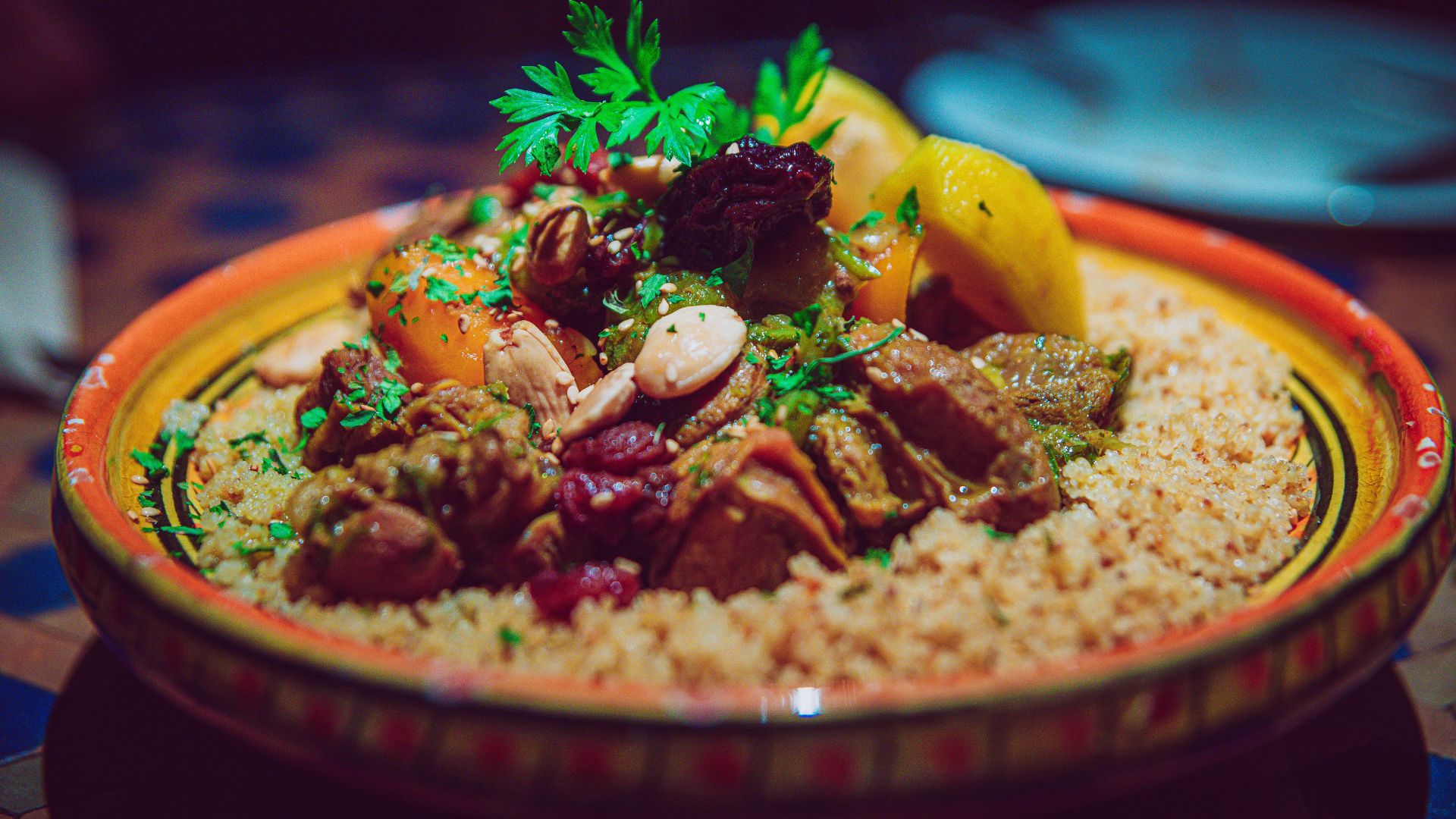
Couscous with Vegetables and Meat: A Flavorful Journey

justjlm.org – Couscous, a staple grain in North African cuisine, offers a delightful balance of simplicity and versatility. This dish, typically served with a flavorful stew, is a comforting and nourishing meal that’s perfect for a weeknight dinner or a special occasion.   

Understanding Couscous

Couscous, while often mistaken for a grain, is actually semolina flour that has been coarsely ground and then steamed. This process results in small, pearl-like granules that cook quickly and absorb flavors beautifully.   

The Heart of the Dish: The Stew

The true magic of this dish lies in the accompanying stew. Traditionally, stews feature a rich blend of meats, vegetables, and aromatic spices. Common ingredients include:   

  • Meat: Chicken, lamb, beef, or even sausage can be used.   
  • Vegetables: Onions, garlic, carrots, bell peppers, zucchini, and tomatoes are frequent additions.
  • Spices: The spice profile varies depending on regional preferences, but often includes cumin, coriander, turmeric, paprika, and harissa (a North African chili paste).   
  • Broth: Vegetable or meat broth provides the base for the stew, simmering the flavors together.

Cooking Techniques

  • Steaming the Couscous: Couscous is typically steamed in a special pot called a “couscoussier,” which has a lower compartment for the stew and an upper compartment for the couscous. Alternatively, you can use a large pot with a steamer basket.   
  • Simmering the Stew: The stew is simmered gently on the stovetop, allowing the flavors to meld together.

Variations and Regional Influences

The beauty of Couscous with Vegetables and Meat lies in its adaptability.

  • Moroccan: Often features preserved lemons, dried apricots, and ras el hanout (a warm blend of spices).
  • Algerian: May include chickpeas, dates, and a touch of harissa for a spicy kick.
  • Tunisian: Frequently incorporates olives, capers, and a generous amount of fresh herbs like parsley and mint.

Serving Suggestions

  • Traditional: Serve the steaming hot couscous alongside the fragrant stew. Garnish with fresh herbs, chopped nuts, and a squeeze of lemon or lime.
  • Side Dishes: Accompany the dish with a simple salad of mixed greens, yogurt, or a dollop of harissa.
  • Bread: Enjoy with crusty bread to soak up the flavorful juices.

Beyond the Plate: Cultural Significance

Couscous holds deep cultural significance in North Africa, often served during festive occasions and shared meals. It’s a dish that brings people together, fostering a sense of community and tradition.   

A Culinary Journey Awaits

Whether you’re a seasoned cook or a culinary novice, Couscous with Vegetables and Meat is a rewarding dish to explore. Experiment with different ingredients, spices, and cooking methods to create your own unique version of this classic.
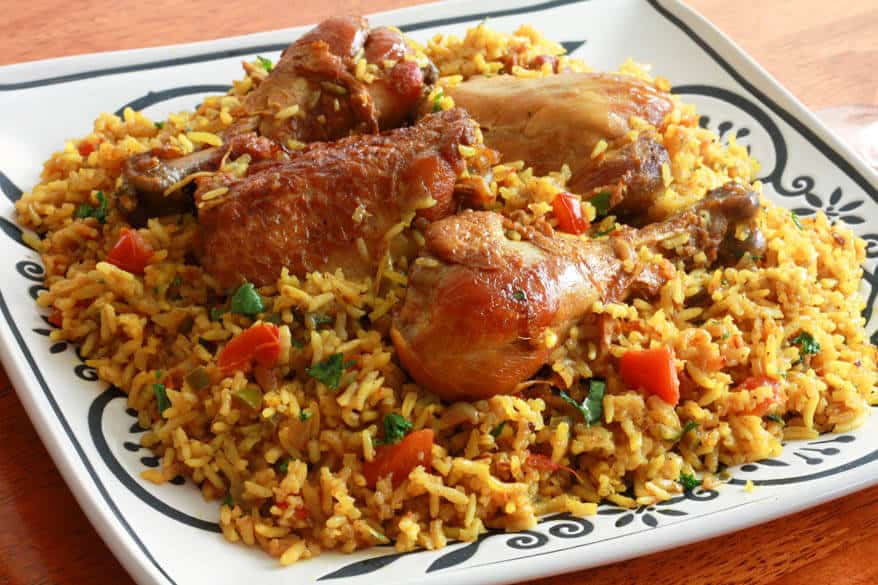
Machboos: A Flavorful Feast – A Symphony of Spices & Rice

justjlm.org – Machboos, a beloved dish in the Middle East, is a fragrant and flavorful rice dish that often incorporates meat, vegetables, and a unique blend of spices. While similar to Kabsa, Machboos distinguishes itself with its distinct spice profile and the inclusion of a wider variety of vegetables.  

Key Ingredients and Flavors

The core ingredients of Machboos are:

  • Basmati Rice: This long-grain rice is the foundation of the dish, known for its delicate texture and fragrant aroma.   
  • Meat: Chicken, lamb, or beef are commonly used, but other meats like fish or shrimp can also be incorporated.
  • Vegetables: A colorful array of vegetables, including carrots, peas, and green beans, adds texture and nutrients to the dish.
  • Spices: A blend of aromatic spices, such as cardamom, cloves, cinnamon, cumin, and black pepper, gives Machboos its distinctive flavor profile.   
  • Stock or Broth: This liquid infuses the rice with flavor and helps it cook evenly.

The Cooking Process

The preparation of Machboos typically involves the following steps:

  1. Marination: The meat is marinated in a mixture of spices, often including lemon juice, garlic, and olive oil.
  2. Sautéing: The marinated meat is sautéed until browned, then set aside.
  3. Spicing the Rice: The rice is seasoned with a blend of spices, including cardamom, cloves, cinnamon, cumin, and black pepper.
  4. Cooking the Rice: The spiced rice is cooked in a pot with the meat and vegetables, along with the stock or broth.   
  5. Simmering: The dish is simmered until the rice is cooked and the flavors have blended.

The Cultural Significance of Machboos

Machboos is more than just a meal; it’s a cultural experience. It is often served on special occasions and holidays, symbolizing hospitality and generosity. The dish’s rich flavors and aromatic spices make it a feast for the senses.

In conclusion, Machboos is a versatile and delicious dish that can be adapted to suit various tastes and dietary preferences. Whether you’re a seasoned cook or a novice in the kitchen, Machboos is a rewarding culinary adventure that will impress your family and friends.

Aloo Gobi: A Simple Yet Flavorful Indian Delight

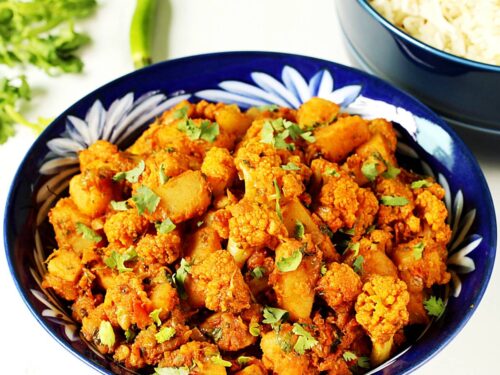
justjlm.org – Aloo Gobi is a beloved vegetarian dish hailing from the Indian subcontinent. This simple yet incredibly flavorful combination of potatoes (aloo) and cauliflower (gobi) cooked in a fragrant and spicy sauce has captured the hearts of food lovers worldwide. It’s a versatile dish that can be enjoyed as a main course or a side dish, and it’s equally delicious served hot or cold.   

The Origins of Aloo Gobi

The exact origins of Aloo Gobi are somewhat shrouded in culinary history, but it’s widely believed to have originated in the Punjab region of India. The dish’s popularity can be attributed to its simplicity, affordability, and the perfect balance of flavors. Potatoes and cauliflower, two humble vegetables, are transformed into a culinary masterpiece through the magic of Indian spices.   

The Key Ingredients

To create a mouthwatering Aloo Gobi, you’ll need a few key ingredients:

  • Potatoes and Cauliflower: The stars of the show, these vegetables are cut into bite-sized pieces and cooked until tender.   
  • Spices: A blend of aromatic spices, including cumin, coriander, turmeric, red chili powder, and garam masala, infuses the dish with a vibrant flavor profile.   
  • Onions and Tomatoes: These form the base of the sauce, providing sweetness and tanginess.   
  • Herbs: Fresh cilantro adds a burst of freshness and a touch of green to the dish.   

The Cooking Process

  1. Preparing the Vegetables: The potatoes and cauliflower are typically cut into florets and parboiled to soften them. This ensures even cooking and prevents them from becoming mushy.
  2. Sautéing the Aromatics: Onions and ginger-garlic paste are sautéed in oil until they turn golden brown, releasing their fragrant oils.   
  3. Creating the Sauce: The sautéed onions are combined with tomatoes, spices, and herbs to create a flavorful sauce.
  4. Cooking the Vegetables: The parboiled potatoes and cauliflower are added to the sauce and cooked until they are tender and well-coated.
  5. Finishing Touches: The dish is often garnished with fresh cilantro and can be served with a dollop of yogurt or a squeeze of lemon juice.   

Serving Suggestions

Aloo Gobi is incredibly versatile and can be paired with a variety of dishes. Here are a few suggestions:   

  • Indian Breads: Serve it with naan, roti, or paratha for a hearty and satisfying meal.   
  • Rice: Pair it with steamed basmati rice for a lighter option.
  • Yogurt: A dollop of yogurt can help to balance the spiciness of the dish.   
  • Pickles: Indian pickles, such as mango pickle or mixed vegetable pickle, can add a tangy flavor to the dish.