
Aloo Gobi: A Simple Yet Flavorful Indian Delight

justjlm.org – Aloo Gobi is a beloved vegetarian dish hailing from the Indian subcontinent. This simple yet incredibly flavorful combination of potatoes (aloo) and cauliflower (gobi) cooked in a fragrant and spicy sauce has captured the hearts of food lovers worldwide. It’s a versatile dish that can be enjoyed as a main course or a side dish, and it’s equally delicious served hot or cold.   

The Origins of Aloo Gobi

The exact origins of Aloo Gobi are somewhat shrouded in culinary history, but it’s widely believed to have originated in the Punjab region of India. The dish’s popularity can be attributed to its simplicity, affordability, and the perfect balance of flavors. Potatoes and cauliflower, two humble vegetables, are transformed into a culinary masterpiece through the magic of Indian spices.   

The Key Ingredients

To create a mouthwatering Aloo Gobi, you’ll need a few key ingredients:

  • Potatoes and Cauliflower: The stars of the show, these vegetables are cut into bite-sized pieces and cooked until tender.   
  • Spices: A blend of aromatic spices, including cumin, coriander, turmeric, red chili powder, and garam masala, infuses the dish with a vibrant flavor profile.   
  • Onions and Tomatoes: These form the base of the sauce, providing sweetness and tanginess.   
  • Herbs: Fresh cilantro adds a burst of freshness and a touch of green to the dish.   

The Cooking Process

  1. Preparing the Vegetables: The potatoes and cauliflower are typically cut into florets and parboiled to soften them. This ensures even cooking and prevents them from becoming mushy.
  2. Sautéing the Aromatics: Onions and ginger-garlic paste are sautéed in oil until they turn golden brown, releasing their fragrant oils.   
  3. Creating the Sauce: The sautéed onions are combined with tomatoes, spices, and herbs to create a flavorful sauce.
  4. Cooking the Vegetables: The parboiled potatoes and cauliflower are added to the sauce and cooked until they are tender and well-coated.
  5. Finishing Touches: The dish is often garnished with fresh cilantro and can be served with a dollop of yogurt or a squeeze of lemon juice.   

Serving Suggestions

Aloo Gobi is incredibly versatile and can be paired with a variety of dishes. Here are a few suggestions:   

  • Indian Breads: Serve it with naan, roti, or paratha for a hearty and satisfying meal.   
  • Rice: Pair it with steamed basmati rice for a lighter option.
  • Yogurt: A dollop of yogurt can help to balance the spiciness of the dish.   
  • Pickles: Indian pickles, such as mango pickle or mixed vegetable pickle, can add a tangy flavor to the dish.
Durian: The King of Fruits, A Controversial Delight

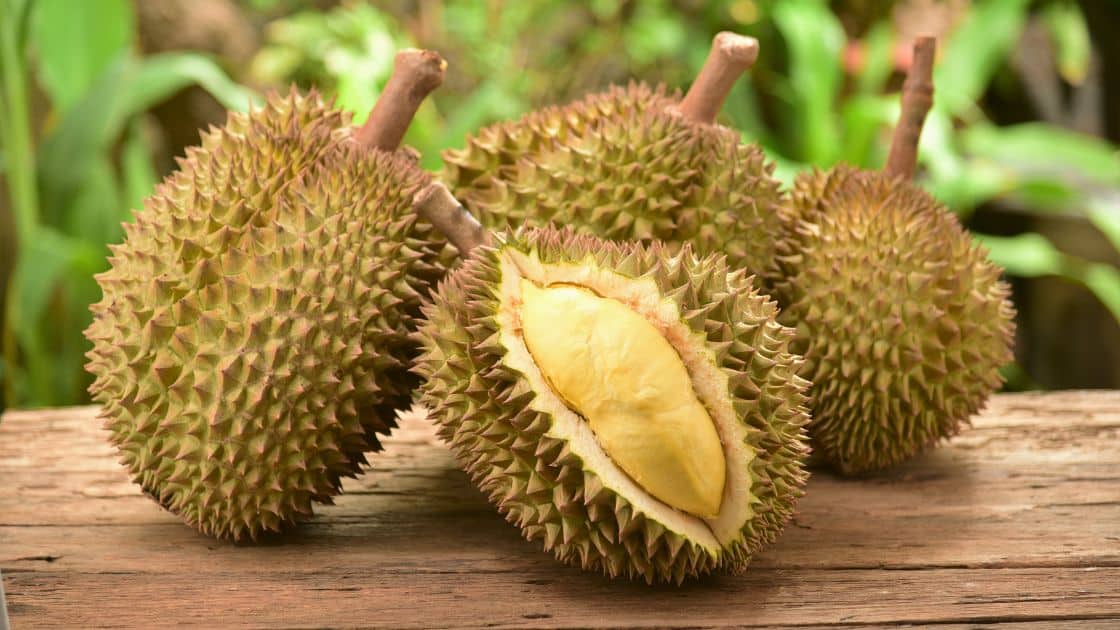
justjlm.org – The durian, a large, spiky fruit native to Southeast Asia, is often referred to as the “king of fruits.” However, this title is not without controversy. While some people rave about its creamy, custard-like flesh and complex flavors, others find its pungent odor overwhelming and repulsive. This article delves into the world of durian, exploring its unique characteristics, cultural significance, and the reasons behind its divisive reputation.   

A Controversial Aroma

The most distinctive feature of the durian is undoubtedly its pungent odor. This strong scent, which has been likened to everything from rotten eggs to turpentine, is caused by a complex mixture of sulfur compounds. While some people find this aroma intoxicating, others find it unbearable. In fact, many hotels and public transportation systems in Southeast Asia have signs prohibiting the consumption of durian due to its powerful smell.   

Despite its controversial odor, the durian has a long history of cultivation and consumption in Southeast Asia. It is particularly popular in countries such as Thailand, Malaysia, and Indonesia, where it is often enjoyed as a snack or used in various culinary preparations. The fruit is typically eaten fresh, but it can also be added to desserts, curries, and other dishes.   

A Nutritional Powerhouse

Beyond its distinctive flavor and aroma, the durian is also a nutritional powerhouse. It is an excellent source of carbohydrates, protein, and fiber, as well as essential vitamins and minerals such as vitamin C, potassium, and magnesium. The fruit is also rich in antioxidants, which can help protect the body against damage from free radicals.   

The Durian Experience

For those who are willing to brave the durian’s pungent odor, the reward is a unique and unforgettable taste experience. The flesh of the fruit is creamy and custard-like, with a sweet and savory flavor that has been described as a combination of caramel, almond, and onion. The texture is also quite interesting, ranging from soft and buttery to slightly fibrous, depending on the ripeness of the fruit.   

Cultivation and Harvest

Durian trees are large and evergreen, typically reaching heights of 25 to 30 meters. The trees produce large, spiky fruits that can weigh up to 3 kilograms. The durian season varies depending on the region, but it typically occurs between June and August in Southeast Asia.   

Harvesting durian is a delicate process that requires skill and experience. The fruits are typically harvested by hand, and great care is taken to avoid damaging the delicate flesh. Once harvested, the durians are often sold at local markets or exported to other countries.   

Conclusion

The durian, with its distinctive odor and unique flavor, is a truly polarizing fruit. While some people are repulsed by its smell, others find it to be an irresistible delicacy. Whether you love it or hate it, there is no denying that the durian is a fascinating and iconic fruit that has captured the imagination of people around the world.

Khanom Man Tone: A Cassava Delight – A Symphony of Flavors

justjlm.org – Khanom Man Tone, a delightful Thai dessert, is a testament to the versatility of cassava root. This simple yet satisfying treat has been a beloved part of Thai cuisine for centuries, offering a unique blend of textures and flavors.

A Humble Root, A Noble Dish

Cassava, a starchy root vegetable, is a staple food in many tropical regions. In Thailand, it’s transformed into a variety of dishes, including Khanom Man Tone. This dessert showcases the root’s natural sweetness and lends itself to a soft, chewy texture that’s both comforting and refreshing.   

The Art of Preparation

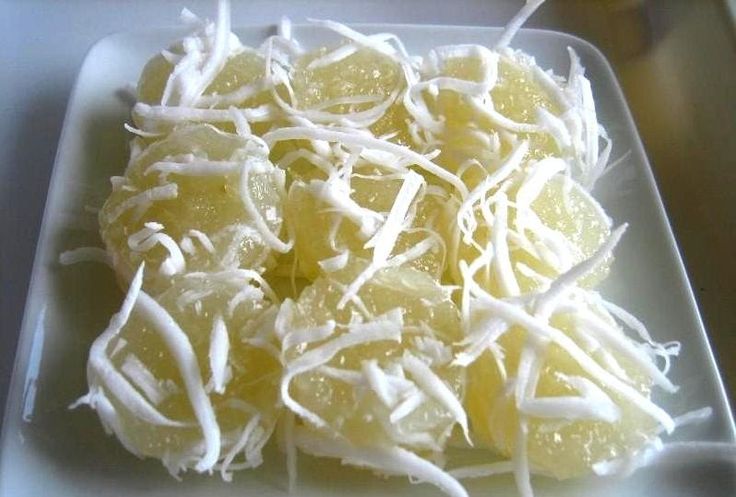
Preparing Khanom Man Tone is a relatively simple process. The cassava root is grated and mixed with sugar, coconut milk, and a touch of salt. The mixture is then steamed in a mold until it sets, resulting in a cake-like consistency. The simplicity of the ingredients belies the complexity of flavors and textures that emerge.

A Symphony of Flavors

The beauty of Khanom Man Tone lies in its subtle interplay of flavors. The natural sweetness of the cassava is balanced by the richness of coconut milk, creating a harmonious taste sensation. The addition of a pinch of salt enhances the overall flavor profile, elevating the dessert to new heights.

A Cultural Treasure

Khanom Man Tone is more than just a dessert; it’s a cultural treasure that reflects the ingenuity and resourcefulness of Thai people. By utilizing a humble root vegetable, they have created a delicious and satisfying treat that has stood the test of time.

A Modern Twist

While traditional Khanom Man Tone is a beloved classic, modern chefs have taken inspiration from this dessert to create innovative variations. Some have experimented with different flavors, such as pandan or durian, while others have played with the presentation, creating intricate designs and colorful toppings.

A Culinary Journey

Whether you’re a seasoned foodie or a casual dessert enthusiast, Khanom Man Tone is a must-try. Its simple ingredients and straightforward preparation make it a versatile dessert that can be enjoyed by people of all ages. So, the next time you’re craving a delicious and satisfying treat, consider indulging in this Thai gem.