Laksa: A Symphony of Flavors in a Bowl – Key Ingredients

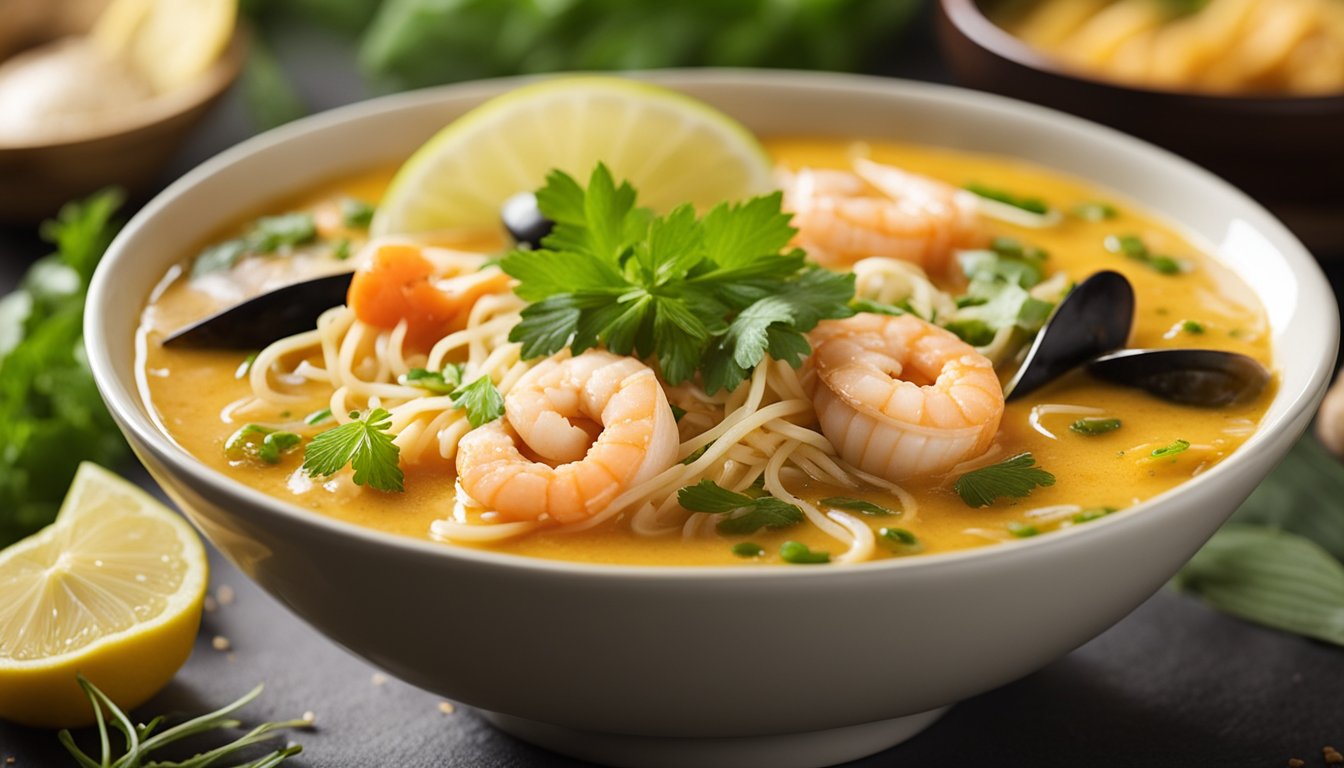
justjlm.org – Laksa, a vibrant and aromatic noodle soup, is a culinary masterpiece that tantalizes taste buds across Southeast Asia. This dish, a symphony of flavors, boasts a rich and creamy coconut milk-based broth infused with a fiery kick of spices.   

A Culinary Odyssey:

Laksa is not a single dish but a diverse family of noodle soups with regional variations found in Malaysia, Singapore, Indonesia, and parts of Thailand. Each region boasts its unique interpretation, resulting in a fascinating array of flavors and textures.   

Key Ingredients:

  • The Broth: The heart and soul of Laksa lies in its broth, typically a fragrant coconut milk-based curry. Essential spices like lemongrass, galangal, turmeric, and chilies lend their distinct aromas and heat.   
  • Noodles: Thick rice vermicelli or laksa noodles are commonly used, though some variations may employ egg noodles or even yellow noodles.   
  • Protein: Prawns, cockles, fish cakes, and tofu are popular protein sources, adding a delightful seafood flavor.   
  • Garnishes: Fresh herbs like mint, cilantro, and basil, along with bean sprouts, sliced chilies, and lime wedges, elevate the dish with their vibrant colors and refreshing flavors.   

Regional Variations:

  • Malaysian Laksa: This version is renowned for its rich and creamy broth, often featuring a blend of coconut milk and fish stock. Popular varieties include Penang Laksa, known for its spicy and tangy tamarind flavor, and Johor Laksa, characterized by its thick and creamy coconut gravy.
  • Singaporean Laksa: This version is typically spicier and often includes a savory gravy made with shrimp paste.   
  • Indonesian Laksa: This diverse category encompasses various regional styles, such as Laksa Betawi from Jakarta, known for its coconut milk-based broth and savory spices, and Laksa Padang from West Sumatra, featuring a unique blend of spices and often served with ketupat (rice cakes).   

Beyond the Bowl:

Laksa is more than just a meal; it’s a cultural experience. Enjoying a bowl of Laksa in a bustling hawker center or a local eatery provides a glimpse into the vibrant culinary traditions of Southeast Asia. The vibrant colors, enticing aromas, and the symphony of flavors create a truly unforgettable dining experience.

A Culinary Journey:

Whether you’re a seasoned foodie or a curious novice, exploring the diverse world of Laksa is a culinary adventure waiting to unfold. Each bowl offers a unique blend of flavors, textures, and aromas, inviting you to savor the rich tapestry of Southeast Asian cuisine.
Prebranac: A Hearty Balkan Bean Stew – A Blend of Flavors

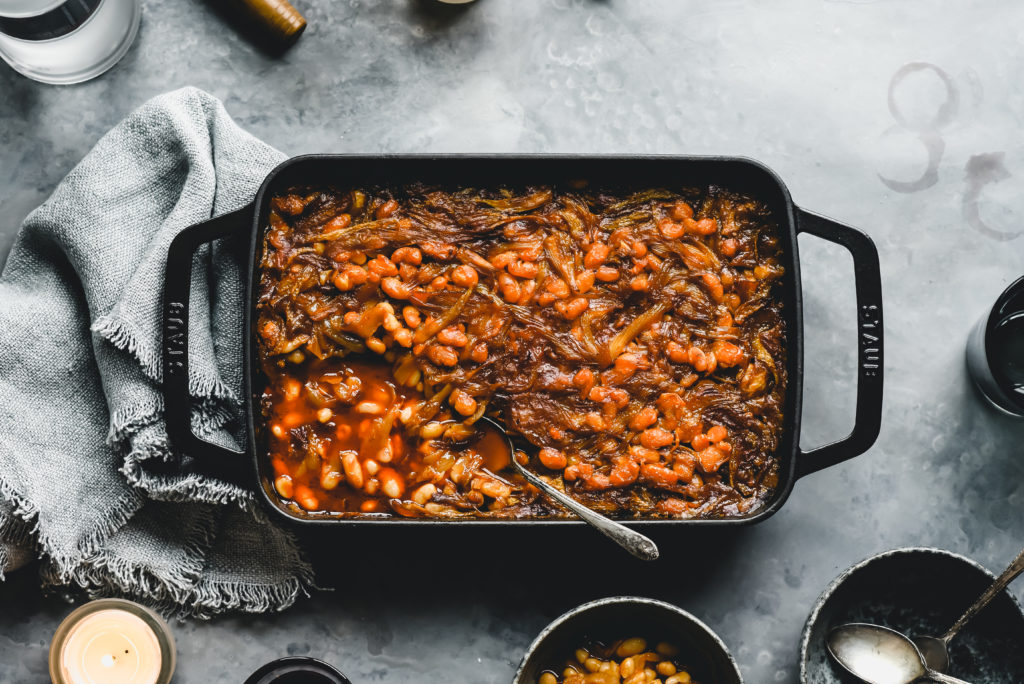
justjlm.org – Prebranac, a hearty and flavorful bean stew, is a beloved dish in the Balkans. This simple yet satisfying meal is a staple of Serbian cuisine, particularly in the mountainous regions. It’s often served during the colder months, providing warmth and comfort on chilly days.

A Blend of Flavors

The foundation of prebranac is white beans, which are simmered until tender and creamy. Onions and garlic are sautéed until golden brown, adding a rich flavor and aroma to the stew. A variety of spices, including paprika, black pepper, and bay leaves, are added to enhance the taste and create a complex flavor profile.

A Culinary Tradition

Prebranac is a dish that has been passed down through generations. It’s often prepared in large quantities, as it’s a perfect meal for sharing with family and friends. The stew is typically served with a side of crusty bread, which is ideal for soaking up the flavorful broth.

A Versatile Dish

Prebranac is a versatile dish that can be adapted to suit individual preferences. Some variations include adding smoked meat, such as smoked sausage or bacon, to the stew. Others may incorporate vegetables like carrots or celery, adding a colorful and nutritious element.

A Taste of the Balkans

Prebranac is a true taste of the Balkans, offering a glimpse into the region’s rich culinary heritage. It’s a dish that celebrates simplicity, tradition, and the flavors of the land. Whether enjoyed on a cold winter’s day or as a hearty lunch, prebranac is sure to satisfy and delight.

Boeuf Bourguignon: Flavors – A Hearty French Beef Stew

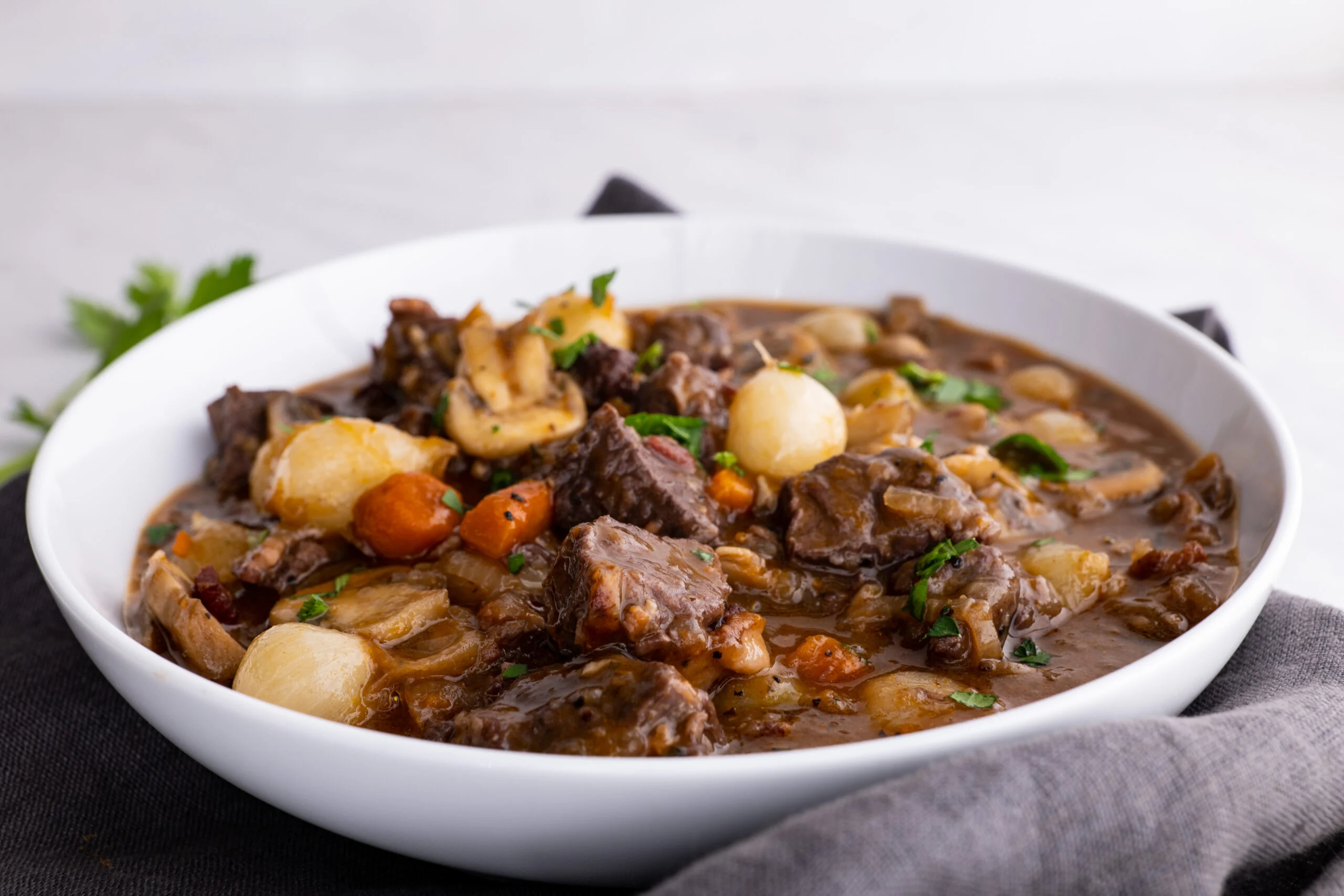
justjlm.org – Boeuf Bourguignon, a classic French dish, is a testament to the art of slow cooking. This hearty beef stew, braised in a rich red wine sauce, is a symphony of flavors that dances on the palate. The tender, melt-in-your-mouth beef, the earthy mushrooms, the sweet pearl onions, and the robust red wine sauce combine to create a dish that is both comforting and elegant.   

The Origins of Boeuf Bourguignon

While the exact origins of Boeuf Bourguignon are shrouded in mystery, it is believed to have originated in the Burgundy region of France. The dish is said to have been popularized by the renowned French chef, Auguste Escoffier, in the early 20th century. However, the roots of the dish likely go back much further, perhaps even to the Middle Ages.   

Key Ingredients and Techniques

The key to a truly exceptional Boeuf Bourguignon lies in the quality of the ingredients and the meticulous preparation. Here are some of the essential components:

  • Beef: Traditionally, Boeuf Bourguignon is made with beef chuck, a cut that is well-suited for slow cooking. The long, slow braising process tenderizes the meat and infuses it with flavor.  
  • Red Wine: A good quality red wine, such as Burgundy or Bordeaux, is essential for the sauce. The wine adds depth of flavor and acidity to the dish.   
  • Vegetables: Carrots, onions, and garlic are the classic vegetables used in Boeuf Bourguignon. They add sweetness, savoriness, and aromatic complexity to the sauce. 
  • Mushrooms: Cremini or button mushrooms are commonly used, but other varieties, such as shiitake or porcini, can also be added for extra flavor.  
  • Pearl Onions: These tiny onions add a touch of sweetness and elegance to the dish.  
  • Bacon: A few strips of bacon, rendered and added to the pot, contribute a smoky, savory flavor. 
  • Herbs and Spices: Thyme, bay leaves, and black pepper are the primary seasonings used in Boeuf Bourguignon.

The technique of braising is crucial to the success of this dish. The meat and vegetables are seared to develop a rich, caramelized crust, then simmered slowly in a flavorful liquid until they are tender and succulent.

A Modern Twist on a Classic

While the traditional recipe for Boeuf Bourguignon is beloved by many, there are endless variations that can be explored. Some modern chefs experiment with different cuts of beef, such as short ribs or oxtail, or incorporate exotic ingredients like truffles or foie gras. However, the core elements of the dish – the rich, flavorful sauce, the tender meat, and the hearty vegetables – remain unchanged.

Serving Suggestions

Boeuf Bourguignon is a versatile dish that can be enjoyed in a variety of ways. It is often served with buttery mashed potatoes, egg noodles, or crusty bread. A glass of red wine, such as the one used in the sauce, is the perfect accompaniment.   

Whether you’re a seasoned home cook or a novice in the kitchen, Boeuf Bourguignon is a dish that is well worth the effort. With its rich history, complex flavors, and comforting warmth, it is sure to become a favorite in your household.

Khanom Man Tone: A Cassava Delight – A Symphony of Flavors

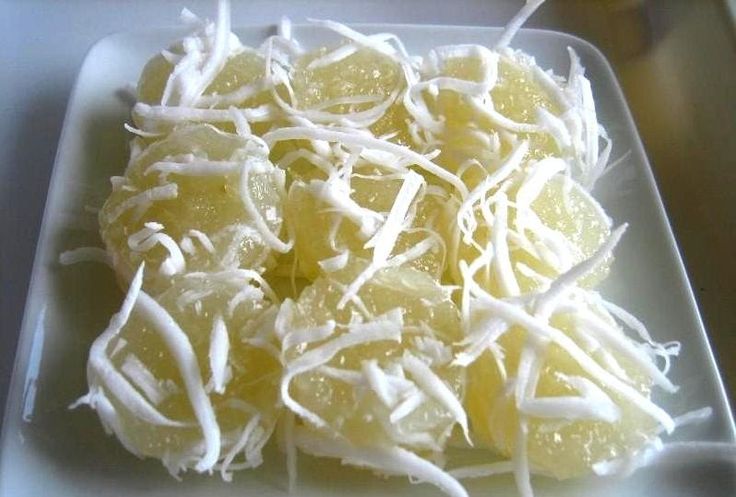
justjlm.org – Khanom Man Tone, a delightful Thai dessert, is a testament to the versatility of cassava root. This simple yet satisfying treat has been a beloved part of Thai cuisine for centuries, offering a unique blend of textures and flavors.

A Humble Root, A Noble Dish

Cassava, a starchy root vegetable, is a staple food in many tropical regions. In Thailand, it’s transformed into a variety of dishes, including Khanom Man Tone. This dessert showcases the root’s natural sweetness and lends itself to a soft, chewy texture that’s both comforting and refreshing.   

The Art of Preparation

Preparing Khanom Man Tone is a relatively simple process. The cassava root is grated and mixed with sugar, coconut milk, and a touch of salt. The mixture is then steamed in a mold until it sets, resulting in a cake-like consistency. The simplicity of the ingredients belies the complexity of flavors and textures that emerge.

A Symphony of Flavors

The beauty of Khanom Man Tone lies in its subtle interplay of flavors. The natural sweetness of the cassava is balanced by the richness of coconut milk, creating a harmonious taste sensation. The addition of a pinch of salt enhances the overall flavor profile, elevating the dessert to new heights.

A Cultural Treasure

Khanom Man Tone is more than just a dessert; it’s a cultural treasure that reflects the ingenuity and resourcefulness of Thai people. By utilizing a humble root vegetable, they have created a delicious and satisfying treat that has stood the test of time.

A Modern Twist

While traditional Khanom Man Tone is a beloved classic, modern chefs have taken inspiration from this dessert to create innovative variations. Some have experimented with different flavors, such as pandan or durian, while others have played with the presentation, creating intricate designs and colorful toppings.

A Culinary Journey

Whether you’re a seasoned foodie or a casual dessert enthusiast, Khanom Man Tone is a must-try. Its simple ingredients and straightforward preparation make it a versatile dessert that can be enjoyed by people of all ages. So, the next time you’re craving a delicious and satisfying treat, consider indulging in this Thai gem.

“The Latvian Cookbook: Traditional Recipes from the Baltic”

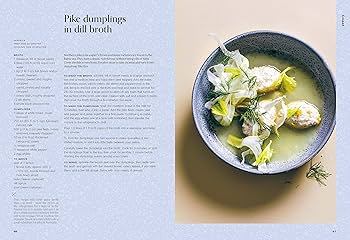
justjlm.org – “The Latvian Cookbook: Traditional Recipes from the Baltic” is a culinary journey through the heart of Latvia, offering a glimpse into the traditional dishes that have been passed down through generations. This collection of authentic Latvian recipes is not just a cookbook; it’s a cultural treasure that brings the warmth of Latvian kitchens into homes around the world.

The Essence of Latvian Cuisine

Latvian cuisine is a blend of simplicity and sophistication, with an emphasis on fresh, seasonal ingredients. The cookbook highlights this essence by featuring a wide range of recipes that reflect the country’s agricultural heritage and its position on the Baltic Sea. From hearty meat dishes and comforting soups to an array of breads and pastries, the book covers the gamut of Latvian culinary delights.

Standout Recipes

One of the standout recipes in the book is the traditional Latvian meat pie, or “Latke,” which is a savory pastry filled with a mixture of ground meat, onions, and spices. Another must-try is the “Kartupu biezenis,” a creamy potato pudding that is both a comfort food and a staple on Latvian tables. The book also includes a variety of pickled dishes, such as pickled herring and mushrooms, which are integral to Latvian cuisine.

The Importance of Tradition

“The Latvian Cookbook” pays homage to the traditions that have shaped Latvian cooking. It provides not just recipes, but also insights into the cultural significance of each dish. For example, the “Jansons Fraktars,” a herring and potato casserole, is a testament to Latvia’s love for hearty, layered dishes that bring families together. The cookbook also touches on the importance of seasonal festivals and how they influence Latvian menus, such as the celebration of Midsummer’s Eve with a feast of grilled fish and fresh salads.

A Visual Feast

The book is not only a feast for the palate but also for the eyes. It is beautifully illustrated with photographs that capture the essence of each dish, making it a visually appealing addition to any kitchen. The clear, step-by-step instructions and detailed ingredient lists ensure that even novice cooks can recreate these Latvian classics with ease.

Conclusion

“The Latvian Cookbook: Traditional Recipes from the Baltic” is a must-have for anyone looking to explore the rich flavors of Latvia. Whether you’re a seasoned chef or a curious home cook, this collection of authentic recipes will transport you to the Baltic region, offering a taste of Latvia’s culinary heritage. With its emphasis on tradition, simplicity, and the use of fresh ingredients, this cookbook is a celebration of Latvian cuisine that is sure to inspire and delight.