
Laksa: A Symphony of Flavors in a Bowl – Key Ingredients

justjlm.org – Laksa, a vibrant and aromatic noodle soup, is a culinary masterpiece that tantalizes taste buds across Southeast Asia. This dish, a symphony of flavors, boasts a rich and creamy coconut milk-based broth infused with a fiery kick of spices.   

A Culinary Odyssey:

Laksa is not a single dish but a diverse family of noodle soups with regional variations found in Malaysia, Singapore, Indonesia, and parts of Thailand. Each region boasts its unique interpretation, resulting in a fascinating array of flavors and textures.   

Key Ingredients:

  • The Broth: The heart and soul of Laksa lies in its broth, typically a fragrant coconut milk-based curry. Essential spices like lemongrass, galangal, turmeric, and chilies lend their distinct aromas and heat.   
  • Noodles: Thick rice vermicelli or laksa noodles are commonly used, though some variations may employ egg noodles or even yellow noodles.   
  • Protein: Prawns, cockles, fish cakes, and tofu are popular protein sources, adding a delightful seafood flavor.   
  • Garnishes: Fresh herbs like mint, cilantro, and basil, along with bean sprouts, sliced chilies, and lime wedges, elevate the dish with their vibrant colors and refreshing flavors.   

Regional Variations:

  • Malaysian Laksa: This version is renowned for its rich and creamy broth, often featuring a blend of coconut milk and fish stock. Popular varieties include Penang Laksa, known for its spicy and tangy tamarind flavor, and Johor Laksa, characterized by its thick and creamy coconut gravy.
  • Singaporean Laksa: This version is typically spicier and often includes a savory gravy made with shrimp paste.   
  • Indonesian Laksa: This diverse category encompasses various regional styles, such as Laksa Betawi from Jakarta, known for its coconut milk-based broth and savory spices, and Laksa Padang from West Sumatra, featuring a unique blend of spices and often served with ketupat (rice cakes).   

Beyond the Bowl:

Laksa is more than just a meal; it’s a cultural experience. Enjoying a bowl of Laksa in a bustling hawker center or a local eatery provides a glimpse into the vibrant culinary traditions of Southeast Asia. The vibrant colors, enticing aromas, and the symphony of flavors create a truly unforgettable dining experience.

A Culinary Journey:

Whether you’re a seasoned foodie or a curious novice, exploring the diverse world of Laksa is a culinary adventure waiting to unfold. Each bowl offers a unique blend of flavors, textures, and aromas, inviting you to savor the rich tapestry of Southeast Asian cuisine.

Machboos: A Flavorful Feast – A Symphony of Spices & Rice

justjlm.org – Machboos, a beloved dish in the Middle East, is a fragrant and flavorful rice dish that often incorporates meat, vegetables, and a unique blend of spices. While similar to Kabsa, Machboos distinguishes itself with its distinct spice profile and the inclusion of a wider variety of vegetables.  

Key Ingredients and Flavors

The core ingredients of Machboos are:

  • Basmati Rice: This long-grain rice is the foundation of the dish, known for its delicate texture and fragrant aroma.   
  • Meat: Chicken, lamb, or beef are commonly used, but other meats like fish or shrimp can also be incorporated.
  • Vegetables: A colorful array of vegetables, including carrots, peas, and green beans, adds texture and nutrients to the dish.
  • Spices: A blend of aromatic spices, such as cardamom, cloves, cinnamon, cumin, and black pepper, gives Machboos its distinctive flavor profile.   
  • Stock or Broth: This liquid infuses the rice with flavor and helps it cook evenly.

The Cooking Process

The preparation of Machboos typically involves the following steps:

  1. Marination: The meat is marinated in a mixture of spices, often including lemon juice, garlic, and olive oil.
  2. Sautéing: The marinated meat is sautéed until browned, then set aside.
  3. Spicing the Rice: The rice is seasoned with a blend of spices, including cardamom, cloves, cinnamon, cumin, and black pepper.
  4. Cooking the Rice: The spiced rice is cooked in a pot with the meat and vegetables, along with the stock or broth.   
  5. Simmering: The dish is simmered until the rice is cooked and the flavors have blended.

The Cultural Significance of Machboos

Machboos is more than just a meal; it’s a cultural experience. It is often served on special occasions and holidays, symbolizing hospitality and generosity. The dish’s rich flavors and aromatic spices make it a feast for the senses.

In conclusion, Machboos is a versatile and delicious dish that can be adapted to suit various tastes and dietary preferences. Whether you’re a seasoned cook or a novice in the kitchen, Machboos is a rewarding culinary adventure that will impress your family and friends.

Boeuf Bourguignon: Flavors – A Hearty French Beef Stew

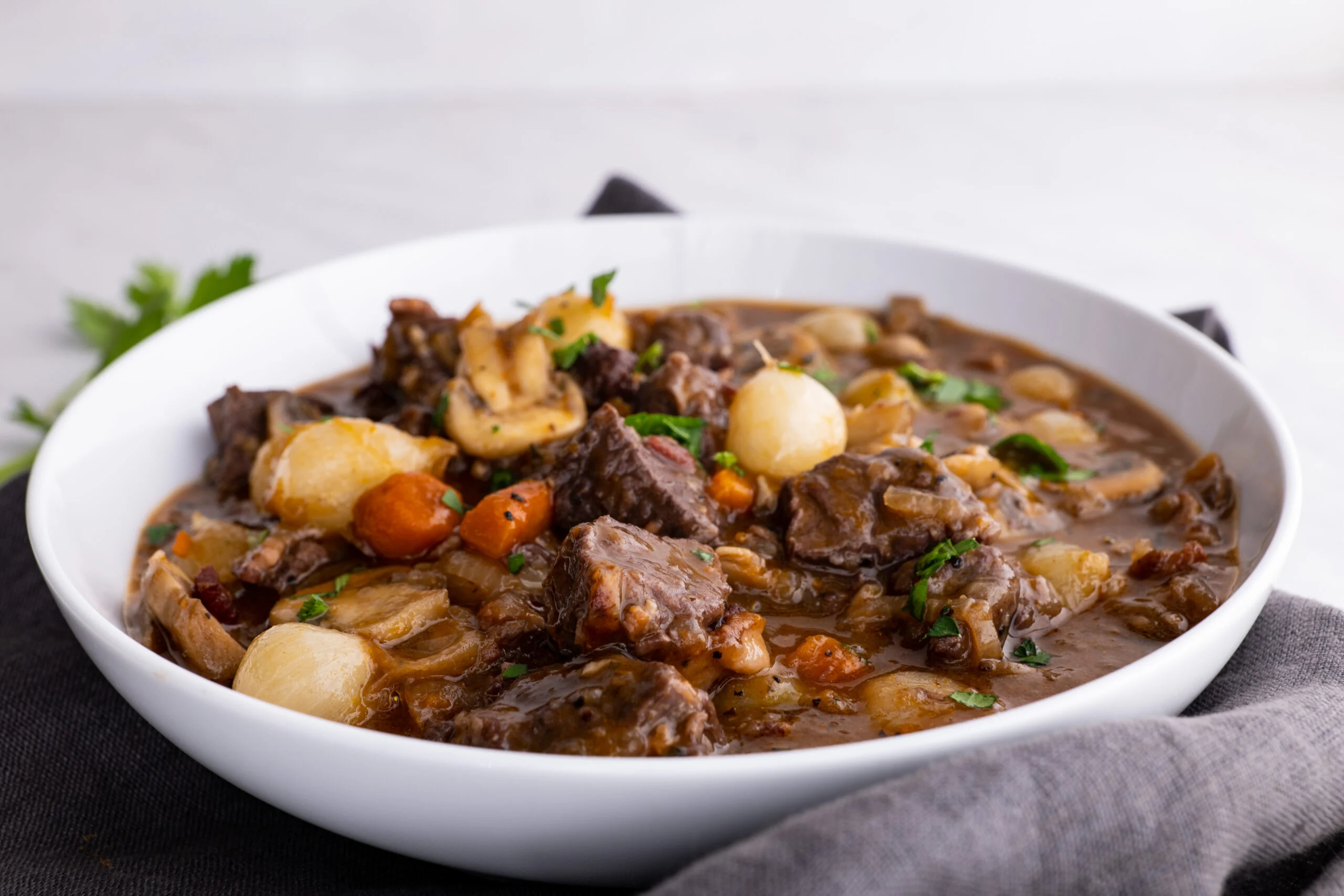
justjlm.org – Boeuf Bourguignon, a classic French dish, is a testament to the art of slow cooking. This hearty beef stew, braised in a rich red wine sauce, is a symphony of flavors that dances on the palate. The tender, melt-in-your-mouth beef, the earthy mushrooms, the sweet pearl onions, and the robust red wine sauce combine to create a dish that is both comforting and elegant.   

The Origins of Boeuf Bourguignon

While the exact origins of Boeuf Bourguignon are shrouded in mystery, it is believed to have originated in the Burgundy region of France. The dish is said to have been popularized by the renowned French chef, Auguste Escoffier, in the early 20th century. However, the roots of the dish likely go back much further, perhaps even to the Middle Ages.   

Key Ingredients and Techniques

The key to a truly exceptional Boeuf Bourguignon lies in the quality of the ingredients and the meticulous preparation. Here are some of the essential components:

  • Beef: Traditionally, Boeuf Bourguignon is made with beef chuck, a cut that is well-suited for slow cooking. The long, slow braising process tenderizes the meat and infuses it with flavor.  
  • Red Wine: A good quality red wine, such as Burgundy or Bordeaux, is essential for the sauce. The wine adds depth of flavor and acidity to the dish.   
  • Vegetables: Carrots, onions, and garlic are the classic vegetables used in Boeuf Bourguignon. They add sweetness, savoriness, and aromatic complexity to the sauce. 
  • Mushrooms: Cremini or button mushrooms are commonly used, but other varieties, such as shiitake or porcini, can also be added for extra flavor.  
  • Pearl Onions: These tiny onions add a touch of sweetness and elegance to the dish.  
  • Bacon: A few strips of bacon, rendered and added to the pot, contribute a smoky, savory flavor. 
  • Herbs and Spices: Thyme, bay leaves, and black pepper are the primary seasonings used in Boeuf Bourguignon.

The technique of braising is crucial to the success of this dish. The meat and vegetables are seared to develop a rich, caramelized crust, then simmered slowly in a flavorful liquid until they are tender and succulent.

A Modern Twist on a Classic

While the traditional recipe for Boeuf Bourguignon is beloved by many, there are endless variations that can be explored. Some modern chefs experiment with different cuts of beef, such as short ribs or oxtail, or incorporate exotic ingredients like truffles or foie gras. However, the core elements of the dish – the rich, flavorful sauce, the tender meat, and the hearty vegetables – remain unchanged.

Serving Suggestions

Boeuf Bourguignon is a versatile dish that can be enjoyed in a variety of ways. It is often served with buttery mashed potatoes, egg noodles, or crusty bread. A glass of red wine, such as the one used in the sauce, is the perfect accompaniment.   

Whether you’re a seasoned home cook or a novice in the kitchen, Boeuf Bourguignon is a dish that is well worth the effort. With its rich history, complex flavors, and comforting warmth, it is sure to become a favorite in your household.

Khanom Man Tone: A Cassava Delight – A Symphony of Flavors

justjlm.org – Khanom Man Tone, a delightful Thai dessert, is a testament to the versatility of cassava root. This simple yet satisfying treat has been a beloved part of Thai cuisine for centuries, offering a unique blend of textures and flavors.

A Humble Root, A Noble Dish

Cassava, a starchy root vegetable, is a staple food in many tropical regions. In Thailand, it’s transformed into a variety of dishes, including Khanom Man Tone. This dessert showcases the root’s natural sweetness and lends itself to a soft, chewy texture that’s both comforting and refreshing.   

The Art of Preparation

Preparing Khanom Man Tone is a relatively simple process. The cassava root is grated and mixed with sugar, coconut milk, and a touch of salt. The mixture is then steamed in a mold until it sets, resulting in a cake-like consistency. The simplicity of the ingredients belies the complexity of flavors and textures that emerge.

A Symphony of Flavors

The beauty of Khanom Man Tone lies in its subtle interplay of flavors. The natural sweetness of the cassava is balanced by the richness of coconut milk, creating a harmonious taste sensation. The addition of a pinch of salt enhances the overall flavor profile, elevating the dessert to new heights.

A Cultural Treasure

Khanom Man Tone is more than just a dessert; it’s a cultural treasure that reflects the ingenuity and resourcefulness of Thai people. By utilizing a humble root vegetable, they have created a delicious and satisfying treat that has stood the test of time.

A Modern Twist

While traditional Khanom Man Tone is a beloved classic, modern chefs have taken inspiration from this dessert to create innovative variations. Some have experimented with different flavors, such as pandan or durian, while others have played with the presentation, creating intricate designs and colorful toppings.

A Culinary Journey

Whether you’re a seasoned foodie or a casual dessert enthusiast, Khanom Man Tone is a must-try. Its simple ingredients and straightforward preparation make it a versatile dessert that can be enjoyed by people of all ages. So, the next time you’re craving a delicious and satisfying treat, consider indulging in this Thai gem.

Echoes in the Ear: A Symphony of Sounds

justjlm.org – The human ear is a marvel of biological engineering, capable of capturing a vast array of sounds that enrich our daily lives. From the gentle rustle of leaves to the thunderous roar of a passing train, the sounds we encounter are varied and complex. This article delves into the fascinating world of auditory perception, exploring how echoes in the ear contribute to our experience of sound as a symphony.

The Mechanics of Hearing

At the heart of our ability to hear lies the intricate structure of the ear, which is divided into three main parts: the outer ear, the middle ear, and the inner ear. The outer ear collects sound waves and funnels them into the ear canal, where they reach the tympanic membrane, or eardrum, causing it to vibrate. These vibrations are then transmitted through the bones of the middle ear—the malleus, incus, and stapes—to the cochlea in the inner ear.

The cochlea, a spiral-shaped organ filled with fluid and lined with tiny hair cells, translates these mechanical vibrations into electrical signals that the brain can interpret. This process allows us to perceive a wide range of sounds, from the softest whisper to the loudest explosion.

The Role of Echoes

Echoes play a crucial role in how we perceive our environment. When sound waves bounce off surfaces and return to our ears, they create echoes that provide information about the size, shape, and texture of our surroundings. This phenomenon is particularly useful for echolocation, a technique used by animals such as bats and dolphins to navigate and hunt.

In humans, echoes enhance our spatial awareness and help us determine the location of sound sources. Our brain processes these echoes almost instantaneously, allowing us to react quickly to changes in our environment. This ability is especially important in activities like driving or playing sports, where quick reflexes are essential.

The Symphony of Sounds

The world around us is filled with a symphony of sounds, each contributing to the rich tapestry of our auditory experience. Music, in particular, is a powerful example of how different sounds can combine to create something greater than the sum of its parts. Composers and musicians skillfully manipulate pitch, rhythm, and dynamics to evoke emotion and tell stories through sound.

In everyday life, we are constantly surrounded by sounds that evoke memories and emotions. The laughter of a child, the chirping of birds at dawn, or the distant rumble of thunder can all stir feelings of nostalgia, joy, or awe. Our ability to hear and interpret these sounds is a testament to the complexity and sophistication of the human auditory system.

Conclusion

The echoes in our ears are more than just reflections of sound; they are integral to our understanding of the world around us. They contribute to our spatial awareness, enhance our enjoyment of music, and evoke a wide range of emotions. As we continue to explore the intricacies of hearing, we gain a greater appreciation for the symphony of sounds that enrich our lives.

The Role of Cameramen in Music Production: Visual Symphony

justjlm.org – In the world of music production, the focus often lies on the auditory experience – the melody, the lyrics, the rhythm. However, in an era where visual content is as important as the music itself, the role of the cameraman has become pivotal in shaping the narrative and emotional impact of a song. Cameramen, or cinematographers, in the context of music production, are the unsung heroes who translate the auditory into the visual, creating a symphony that resonates with both the ears and the eyes.

The Visual Narrative

Music videos are more than just a visual accompaniment to a song; they are a narrative extension that can enhance the emotional depth and storytelling of the music. Cameramen are the architects of this visual narrative, using their lenses to capture the essence of the song and convey its message. They work closely with directors to interpret the music and lyrics, transforming abstract concepts into tangible images that viewers can relate to.

The Art of Storytelling

A skilled cameraman knows how to tell a story without relying heavily on dialogue. Through framing, lighting, and movement, they can evoke a mood, highlight a theme, or emphasize a particular moment in the music. The choice of shots – whether it’s a close-up to capture the emotion on an artist’s face or a wide-angle to showcase a breathtaking landscape – is crucial in setting the tone of the video and aligning it with the music’s vibe.

Technical Mastery

The technical aspects of camera work in music production are as important as the creative ones. Cameramen must have a deep understanding of their equipment, from lenses and cameras to stabilizers and drones. They need to be adept at capturing high-quality footage in various conditions, whether it’s a live concert under stage lights or a music video shot in low light. The technical mastery of the cameraman ensures that the visuals are as polished and professional as the audio.

Collaboration and Creativity

Cameramen work in tandem with directors, producers, and artists to bring a music video to life. It’s a collaborative effort that requires creativity, flexibility, and the ability to adapt to the vision of the project. A cameraman must be able to take direction while also offering their own insights and suggestions to enhance the visual storytelling. This collaborative process is what turns a simple music track into a multi-sensory experience.

The Impact of Technology

Advancements in technology have revolutionized the role of the cameraman in music production. High-definition cameras, drones, and virtual reality are just a few examples of how technology has expanded the possibilities for visual storytelling. Cameramen now have the tools to capture and create visuals that were once impossible, pushing the boundaries of what can be achieved in a music video.

Conclusion

Cameramen are the visual conductors of the music production world, orchestrating a symphony of images that complement and enhance the auditory experience. Their work is a blend of technical skill, artistic vision, and collaborative effort, resulting in music videos that resonate with audiences on a deeper level. As the demand for engaging visual content continues to grow, the role of the cameraman will only become more integral to the success of music production, ensuring that the visual symphony remains in perfect harmony with the music itself.