Exploring the Enchanting Reed Flute Cave

justjlm.org – The Reed Flute Cave, known as “Ludi Yan” in Chinese, is a natural limestone cave and one of the most stunning tourist attractions in Guilin, Guangxi, China. This cave is renowned for its mesmerizing rock formations, vibrant lighting, and deep historical significance. Visitors from around the world come to witness the otherworldly beauty and explore its ancient depths.

A Natural Wonder

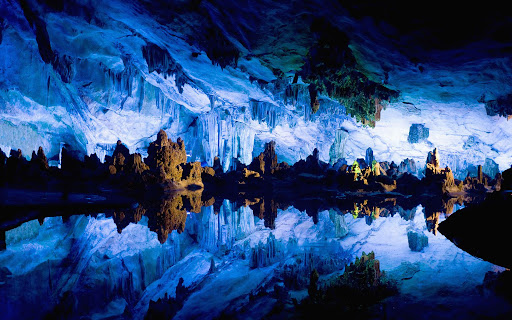
The Reed Flute Cave stretches for about 240 meters and is believed to be over 180 million years old. It gets its name from the lush green reeds growing outside the cave, which can be crafted into melodious flutes. The cave’s interior is a magnificent gallery of stalactites, stalagmites, and columns formed by millennia of mineral deposits. These formations are illuminated by multicolored lighting, creating a breathtaking visual spectacle that evokes a magical, dream-like atmosphere.

Historical Significance

Beyond its natural beauty, Reed Flute Cave holds significant historical and cultural value. It has been a popular tourist attraction for at least 1,200 years, as evidenced by inscriptions found on the walls dating back to the Tang Dynasty (618–907 AD). These inscriptions provide valuable insights into ancient Chinese history and culture, highlighting the cave’s longstanding allure to visitors throughout the centuries.

Inside the Cave

As you enter the cave, you’ll find yourself in a world of intriguing shapes and forms. The imaginative names given to various formations, like “Dragon Pagoda,” “Crystal Palace,” and “Virgin Forest,” add to the cave’s mystical charm. The guided tours often include stories and legends associated with these formations, enhancing the overall experience and providing a deeper understanding of the cave’s significance.

Visitor Experience

The Reed Flute Cave is well-equipped to handle the influx of tourists, offering well-maintained paths and informative displays. The vividly lit interior not only enhances the natural beauty of the formations but also ensures safety for visitors exploring the depths. Photography is encouraged, allowing guests to capture the cave’s enchanting beauty and take a piece of it home.

Conclusion

The Reed Flute Cave is a testament to nature’s artistry and historical richness, making it a must-visit destination for anyone traveling to China. Its awe-inspiring formations and vibrant history offer a unique glimpse into both the natural world and the cultural tapestry of ancient China. Whether you’re an avid traveler, a history enthusiast, or simply someone who appreciates natural beauty, the Reed Flute Cave promises an unforgettable experience.

Agama dan Spiritualitas di Jepang: Shinto, Buddha, dan Kepercayaan Lokal

justjlm – Jepang memiliki tradisi spiritual dan agama yang kaya, yang menggabungkan unsur-unsur dari beberapa sistem kepercayaan utama: Shinto sebagai agama asli Jepang, Buddhisme yang diperkenalkan dari Tiongkok melalui Korea, dan berbagai kepercayaan lokal yang terjalin dengan praktik sehari-hari masyarakat. Artikel ini akan membahas peran dan pengaruh dari Shinto, Buddha, serta kepercayaan lokal di Jepang, serta bagaimana ketiga unsur ini saling melengkapi dalam membentuk identitas spiritual masyarakat Jepang.

Shinto (神道, “Jalan Para Dewa”) adalah agama asli Jepang yang didasarkan pada kepercayaan akan kami (dewa atau roh), yang hadir dalam berbagai aspek alam, benda-benda, dan juga nenek moyang. Shinto tidak memiliki pendiri, kitab suci resmi, maupun ajaran teologis yang kaku. Agama ini lebih berfokus pada ritual pemurnian, penghormatan kepada kami, serta hubungan antara manusia dan alam.

Dalam Shinto, kami bukanlah dewa dalam pengertian Barat, melainkan entitas spiritual yang ada di gunung, sungai, pohon, atau bahkan benda buatan manusia. Kuil Shinto (jinja) merupakan tempat suci yang didedikasikan untuk kami tertentu, di mana orang datang untuk berdoa, memberikan persembahan, dan memohon berkah. Salah satu ritual penting adalah Hatsumode, yakni kunjungan pertama ke kuil Shinto pada awal tahun baru untuk berdoa bagi keselamatan dan keberuntungan.

Shinto juga berperan penting dalam acara-acara kehidupan seperti pernikahan dan kelahiran, di mana ritual pemurnian dilaksanakan untuk memohon perlindungan kami. Pada saat yang sama, Shinto sangat terhubung dengan konsep harmoni dengan alam, yang tercermin dalam hubungan orang Jepang dengan lingkungan mereka.

Buddhisme diperkenalkan ke Jepang pada abad ke-6 dari Tiongkok melalui Korea. Meski pada awalnya mengalami resistensi, ajaran Buddha kemudian menyebar dengan cepat dan menjadi salah satu fondasi spiritual Jepang. Buddhisme yang berkembang di Jepang terutama terdiri dari berbagai mazhab, seperti Zen, Nichiren, dan Tendai. Masing-masing memiliki fokus dan ajaran yang berbeda, namun semuanya berpusat pada konsep pencerahan (satori) dan pembebasan dari siklus kelahiran kembali (samsara).

agama-dan-spiritualitas-di-jepang-shinto-buddha-dan-kepercayaan-lokal

Salah satu aspek penting dari Buddhisme di Jepang adalah peran Biksu dan Kuil Buddha dalam kehidupan masyarakat. Kuil-kuil Buddha di Jepang, seperti Kuil Todaiji di Nara yang memiliki patung Buddha raksasa, atau Kuil Kinkakuji yang terkenal dengan bangunan emasnya di Kyoto, menjadi pusat ziarah dan praktik spiritual. Buddhisme di Jepang juga berhubungan erat dengan upacara kematian, di mana banyak keluarga Jepang mengandalkan biksu untuk memimpin ritual pemakaman dan doa bagi arwah leluhur.

Dalam hal filosofi, ajaran Zen Buddhisme sangat mempengaruhi seni, arsitektur, serta cara hidup masyarakat Jepang. Meditasi Zen (zazen) menjadi bagian penting dalam mencari pencerahan batin dan ketenangan pikiran, yang berpengaruh pada seni seperti upacara minum teh (sado), puisi haiku, dan kebun batu.

Salah satu ciri khas agama di Jepang adalah adanya sinkretisme atau perpaduan antara Shinto dan Buddhisme. Meski Shinto dan Buddha pada dasarnya berbeda, keduanya sering dipraktikkan secara bersamaan oleh banyak orang Jepang. Dalam kehidupan sehari-hari, orang Jepang mungkin pergi ke kuil Shinto untuk upacara pernikahan, tetapi melakukan pemakaman di kuil Buddha. Keadaan ini dikenal dengan istilah Shinbutsu-shugo, yang berarti pencampuran antara Shinto dan Buddha.

Selain Shinto dan Buddhisme, ada berbagai kepercayaan lokal yang hidup dalam praktik masyarakat Jepang. Misalnya, banyak masyarakat Jepang masih mempercayai talisman, jimat pelindung (omamori) yang sering dibeli di kuil-kuil Shinto atau Buddha untuk keberuntungan dan perlindungan. Beberapa daerah juga memiliki festival tradisional yang dipengaruhi oleh kepercayaan lokal, seperti Matsuri yang merupakan perayaan untuk kami lokal dan melibatkan parade, musik, serta tarian.

agama-dan-spiritualitas-di-jepang-shinto-buddha-dan-kepercayaan-lokal

Di Jepang modern, meskipun banyak orang tidak mengidentifikasi diri secara tegas dengan satu agama, spiritualitas tetap menjadi bagian penting dari kehidupan. Shinto dan Buddhisme memberikan fondasi untuk banyak ritual tradisional dan perayaan musiman, seperti Obon, yaitu festival yang diadakan untuk menghormati arwah leluhur. Sementara itu, hari-hari besar keagamaan seperti Tahun Baru, yang dirayakan dengan kunjungan ke kuil, menunjukkan bahwa agama tetap berperan dalam kehidupan publik.

Dalam kehidupan sehari-hari, masyarakat slot server jepang cenderung lebih melihat agama sebagai bagian dari kebudayaan daripada keyakinan doktrinal yang harus diikuti secara ketat. Agama-agama ini menjadi landasan etika, moral, serta bentuk ekspresi seni dan budaya Jepang yang sangat beragam.

Agama di Jepang, khususnya Shinto dan Buddhisme, serta kepercayaan lokal, menciptakan kombinasi unik yang membentuk spiritualitas masyarakat. Tidak ada satu agama dominan yang menguasai, melainkan ketiga elemen ini saling melengkapi dan berkontribusi pada kehidupan sosial dan budaya Jepang. Ritual-ritual pemurnian Shinto, filsafat Buddhisme, dan kepercayaan lokal semuanya terjalin dalam kehidupan sehari-hari masyarakat Jepang, menjadikannya salah satu tradisi spiritual yang paling beragam dan harmonis di dunia.

The FBI’s War on Crime: A Historical Perspective

justjlm.org – The Federal Bureau of Investigation (FBI), established in 1908, has played a pivotal role in the United States’ war on crime. Over the decades, the agency has evolved in response to changing societal threats, from bank robberies and kidnappings to cybercrime and terrorism. This article provides a historical perspective on the FBI’s efforts to combat crime, highlighting key moments and strategies that have shaped the agency’s approach to law enforcement.

The Early Years: Establishing Authority

In its early years, the FBI, then known as the Bureau of Investigation, focused on issues like land fraud and government corruption. However, the agency’s profile was significantly raised during the 1930s, under the leadership of J. Edgar Hoover. The FBI’s successful pursuit of notorious criminals such as John Dillinger and Bonnie and Clyde earned it a reputation as a formidable force in the fight against crime.

The Cold War Era: Counterintelligence and Domestic Surveillance

During the Cold War, the FBI’s priorities shifted towards counterintelligence and the surveillance of domestic political groups. The COINTELPRO program, aimed at disrupting civil rights and anti-war movements, is a controversial aspect of the FBI’s history, raising concerns about civil liberties and government overreach.

The Modern FBI: Adapting to New Threats

In the late 20th and early 21st centuries, the FBI has adapted to new forms of crime, including organized crime, drug trafficking, and white-collar crime. The post-9/11 era has seen a significant focus on counterterrorism, with the FBI playing a crucial role in preventing attacks and investigating acts of terrorism.

Technology and the FBI: Leveraging Innovation

Technological advancements have been a double-edged sword for the FBI. On one hand, they have provided powerful tools for investigation, such as DNA analysis and digital forensics. On the other, they have introduced new challenges, including cybercrime and the encryption of communications. The FBI has had to continually innovate to stay ahead of criminals who exploit technology for their own ends.

Conclusion: The Ongoing Battle

The FBI’s war on crime is an ongoing battle, with each victory against crime being met with new challenges. As society evolves, so too must the FBI, adapting its strategies and priorities to protect the nation from the ever-changing landscape of criminal activity. The agency’s history is a testament to its resilience and adaptability, as it continues to serve as the front line in the United States’ war on crime.

Praetor: A Roman Official with Potestas

justjlm.org – The Roman Republic and Empire were characterized by a complex and hierarchical system of governance, with various officials holding different degrees of authority and responsibility. Among these officials, the praetor played a significant role, particularly in the administration of justice and, at times, in military command. This article delves into the role and significance of the praetor within the Roman political and military structure.

The Origin and Evolution of the Praetorship

The praetorship originated in the early Roman Republic as a magistracy that was second only to the consulship in terms of power and prestige. The first praetors were elected in 366 BC, following the passage of the Licinio-Sextian laws, which aimed to address the growing tension between the plebeian and patrician classes. Initially, there was only one praetor, known as the praetor urbanus, who was responsible for civil law cases involving Roman citizens.

Over time, the number of praetors increased to accommodate the expanding administrative needs of the Republic. By the late Republic, there were several types of praetors, each with specific jurisdictions. For example, the praetor peregrinus was responsible for cases involving foreigners or disputes between Romans and non-Romans.

The Powers and Duties of a Praetor

The primary function of a praetor was to preside over legal proceedings and to interpret and apply the law. Praetors had the authority to summon individuals to court, to hear cases, and to issue judgments. They also had the power to impose fines and other penalties, although their decisions could be appealed to the popular assemblies or to a higher magistrate.

In addition to their judicial duties, praetors could also be assigned military commands. A praetor who was given a military command would be known as a propraetor, and he would exercise imperium, or the right to command armies and govern provinces. This was particularly common during the later Republic and the Empire, when Rome’s territorial expansion required more military leaders.

The Significance of the Praetorship in Roman Society

The praetorship was a prestigious position that was often a stepping stone to higher offices, such as the consulship. It was also a critical component of the Roman legal system, which was renowned for its sophistication and influence on later legal traditions. The praetor’s role in interpreting and developing the law helped to ensure that Roman jurisprudence remained adaptable and responsive to the changing needs of society.

Moreover, the praetorship was a key element in the Roman system of checks and balances, as it provided a counterweight to the power of the consuls. The ability of praetors to veto each other’s actions and those of the consuls helped to prevent the concentration of too much power in the hands of any single individual or faction.

Conclusion

The praetor was a vital figure in the Roman Republic and Empire, embodying the principles of authority, justice, and governance that were central to Roman society. Through their judicial and military roles, praetors played a crucial part in the administration of the Roman state, leaving a lasting legacy that continues to be studied and admired by historians and legal scholars alike.

Tonga’s Environmental Challenges: Conservation & Sustainability

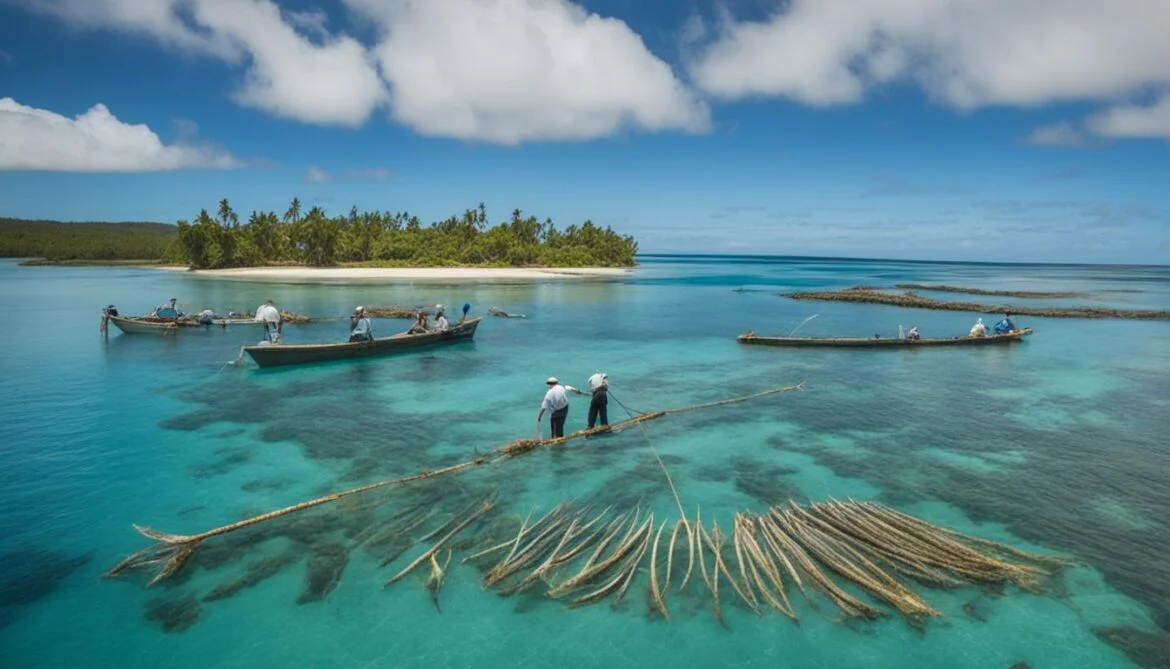
justjlm.org – Tonga, a small archipelagic nation in the South Pacific, is renowned for its stunning natural beauty, rich biodiversity, and vibrant coral reefs. However, despite its idyllic setting, Tonga faces numerous environmental challenges that threaten its ecosystems and the well-being of its inhabitants. These challenges include climate change impacts, deforestation, coastal erosion, and pollution. Addressing these issues requires concerted efforts in conservation and sustainability to ensure the long-term health of Tonga’s environment.

Climate Change and Rising Sea Levels

One of the most pressing environmental challenges facing Tonga is the impact of climate change, particularly rising sea levels. As a low-lying island nation, Tonga is highly vulnerable to the effects of sea-level rise, which poses a significant threat to its coastal communities, infrastructure, and freshwater resources. The increasing frequency and intensity of extreme weather events, such as cyclones, further exacerbate these risks.

Deforestation and Loss of Biodiversity

Deforestation is another critical issue in Tonga, driven by agricultural expansion, logging, and the use of wood for fuel. The loss of forests not only diminishes the nation’s biodiversity but also contributes to soil erosion, reduced water quality, and the loss of habitats for numerous species. Conservation efforts are essential to protect Tonga’s unique flora and fauna, many of which are found nowhere else on Earth.

Coastal Erosion and Land Degradation

Coastal erosion is a significant problem in Tonga, undermining medusa88 link alternatif the stability of coastal communities and infrastructure. The combination of rising sea levels and increased storm activity accelerates erosion, threatening the livelihoods and safety of coastal residents. Land degradation, often a result of unsustainable agricultural practices, further compromises the productivity of Tonga’s land.

Pollution and Waste Management

Pollution, including marine pollution and plastic waste, is a growing concern in Tonga. The improper disposal of waste and the influx of single-use plastics have detrimental effects on marine ecosystems, endangering marine life and impacting the livelihoods of those who depend on seafood for sustenance. Effective waste management strategies and public awareness campaigns are crucial to address this issue.

Conservation and Sustainability Initiatives

To address these environmental challenges, Tonga has implemented various conservation and sustainability initiatives. These include the establishment of marine protected areas (MPAs) to safeguard coral reefs and marine life, reforestation projects to restore forests and combat deforestation, and the development of sustainable tourism practices to minimize environmental impact. Additionally, Tonga is working to enhance its renewable energy infrastructure, such as solar and wind power, to reduce its reliance on fossil fuels and mitigate greenhouse gas emissions.

Conclusion

Tonga’s environmental challenges are complex and multifaceted, requiring coordinated efforts from the government, local communities, and international partners. By prioritizing conservation and sustainability, Tonga can protect its natural heritage, ensure the resilience of its ecosystems, and secure a sustainable future for its people. The success of these efforts will not only benefit Tonga but also contribute to global environmental conservation and climate change mitigation efforts.

Tunisia’s Economic Journey: Independence – Modern Challenges

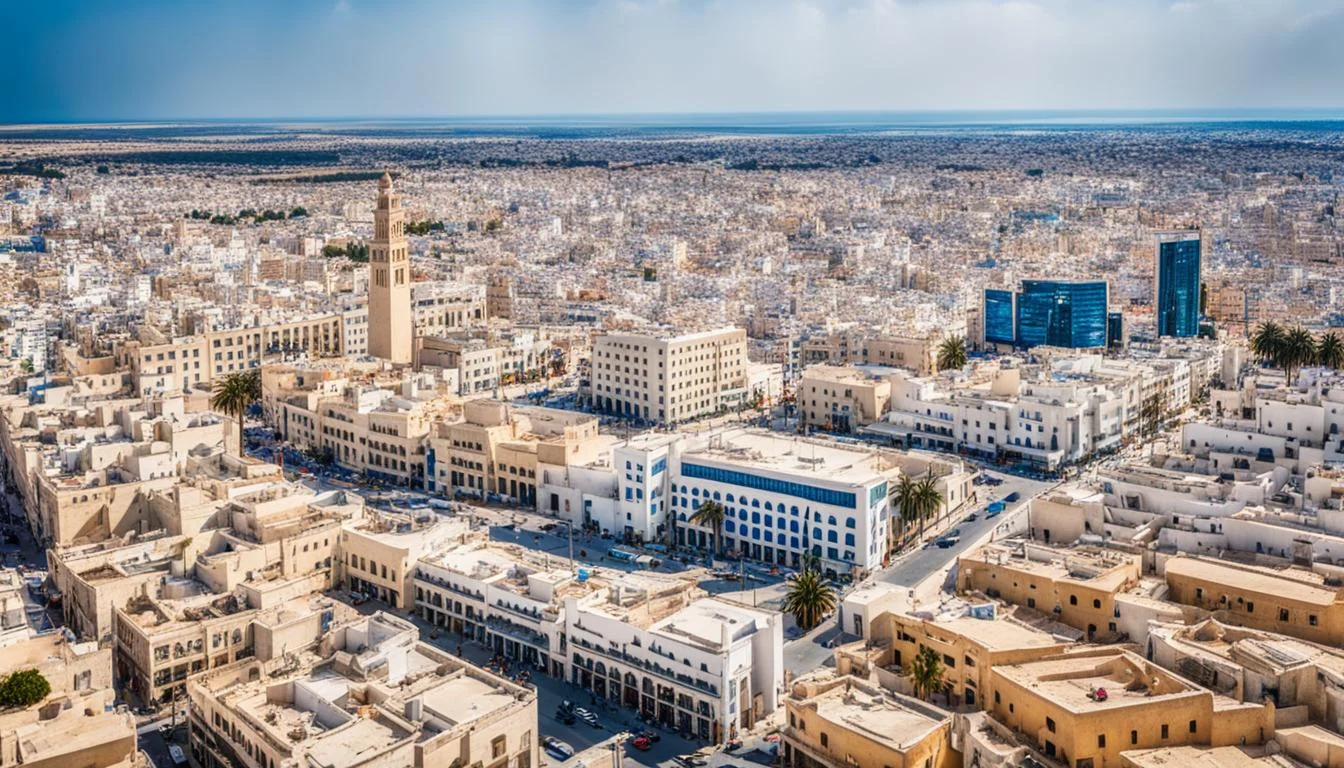
justjlm.org – Since gaining independence from France in 1956, Tunisia has embarked on a complex economic journey marked by periods of growth, reform, and challenge. The country’s economic trajectory reflects its broader political and social developments, as it has sought to establish itself as a modern, competitive nation within the global economy. Today, Tunisia faces a series of economic challenges that test its resilience and adaptability in an ever-changing world.

The Early Years of Independence: Building a New Economy

In the early years following independence, Tunisia’s economy was predominantly agrarian, with a significant portion of the population engaged in farming. The government, under President Habib Bourguiba, initiated a series of reforms aimed at modernizing the economy and improving living standards. These reforms included land redistribution, the establishment of state-owned enterprises, and investments in education and infrastructure.

Economic Liberalization and Structural Adjustment

The 1980s and 1990s saw Tunisia embark on a path of economic liberalization, driven by the need to attract foreign investment and integrate into the global economy. The government implemented structural adjustment programs, privatized state-owned enterprises, and opened up the economy to foreign trade. These reforms led to economic growth and improvements in key sectors such as tourism, manufacturing, and services.

The Impact of the Jasmine Revolution

The Jasmine Revolution of 2010-2011, which led to the ousting of President Zine El Abidine Ben Ali, had profound economic implications. The political turmoil resulted in a decline in foreign investment, particularly in the tourism sector, which is a major source of revenue for Tunisia. The transition to democracy also brought new economic challenges, as the government sought to address social inequalities and create jobs for a growing population.

Modern Challenges: Navigating Economic Uncertainties

Today, Tunisia’s economy faces several challenges, including high unemployment rates, particularly among the youth, a large informal sector, and regional disparities in development. The country also grapples with external economic pressures, such as fluctuations in global oil prices and competition in the textile and tourism markets. Additionally, Tunisia’s public debt has increased, necessitating careful management of public finances.

Economic Reforms and the Path Forward

In response to these challenges, the Tunisian government has implemented a series of economic reforms aimed at stimulating growth, creating jobs, and improving competitiveness. These reforms include measures to attract foreign direct investment, support small and medium-sized enterprises, and develop key sectors such as renewable energy and digital technology. The government is also focused on improving the business environment and enhancing regional development to address disparities.

Conclusion

Tunisia’s economic journey since independence has been marked by significant achievements and challenges. From the early reforms aimed at modernizing the economy to the recent efforts to navigate global economic uncertainties, Tunisia has demonstrated resilience and a commitment to progress. As the country continues to evolve, the successful implementation of economic reforms and the ability to adapt to changing global dynamics will be crucial in securing a prosperous future for Tunisia and its people.

A Critical Analysis: Human Rights Issues in Eritrea

justjlm.org – Eritrea, a small country in the Horn of Africa, has been marred by a series of human rights violations since gaining independence from Ethiopia in 1993. Despite its rich cultural heritage and strategic location, Eritrea has been under the authoritarian rule of President Isaias Afwerki, leading to a myriad of human rights issues. This article critically analyzes the human rights situation in Eritrea, focusing on the key issues and their implications for the Eritrean people and the international community.

Conscription and Forced Labor

One of the most pressing human rights issues in Eritrea is the indefinite national service program. This system, which combines military service with civilian work, has been criticized for its exploitative nature. Young Eritreans are conscripted into the program for an indefinite period, often working in harsh conditions with little to no pay. This has led to a significant portion of the population fleeing the country, seeking refuge in neighboring states and Europe.

Freedom of Expression and Assembly

Eritrea has been labeled as one of the world’s most repressive regimes when it comes to freedom of expression and assembly. The government tightly controls all forms of media, and independent journalism is virtually non-existent. Political dissent is not tolerated, and those who speak out against the government face severe legal consequences, including arbitrary detention and torture.

Political Repression and Arbitrary Detention

Political repression is rampant in Eritrea, with the government using arbitrary detention as a tool to silence opposition. Thousands of political prisoners, including journalists, activists, and religious leaders, are believed to be held in secret detention centers across the country. These individuals are often subjected to torture and other forms of ill-treatment, with no legal recourse or access to justice.

Women’s Rights and Gender-Based Violence

Women in Eritrea face significant challenges, including gender-based violence and discrimination. The national service program has been particularly harsh on female conscripts, who report incidents of sexual harassment and assault. Additionally, traditional gender roles and practices contribute to the marginalization of women in Eritrean society, limiting their access to education and economic opportunities.

International Response and Accountability

The international community has been vocal in its criticism of the human rights situation in Eritrea. Various human rights organizations, including Amnesty International and Human Rights Watch, have documented the abuses and called for action. However, the Eritrean government has largely ignored these calls, and the lack of political will among some international actors has hindered efforts to hold the perpetrators accountable.

Conclusion

The human rights situation in Eritrea is a complex and deeply troubling issue that requires urgent attention. The indefinite conscription, lack of freedom of expression, political repression, and gender-based violence are just a few of the challenges facing the Eritrean people. As the international community continues to engage with Eritrea, it is crucial to prioritize human rights and push for meaningful reforms that can bring about lasting change.

Transformation and Growth: Vietnam’s Economic Miracle

justjlm.org – Vietnam’s economic journey from one of the world’s poorest countries to a booming economy with a growing middle class is a remarkable story of transformation and growth. This narrative is often referred to as an “economic miracle,” highlighting the country’s rapid and sustained economic development over the past few decades.

The Foundations of Growth

The roots of Vietnam’s economic miracle can be traced back to the late 20th century when the country embarked on a series of economic reforms. These reforms, which included the Doi Moi policy of 1986, marked a significant shift towards a market-oriented economy. The reforms were supported by structural transformations, particularly the shift from agriculture to a modern economy based on foreign direct investment (FDI)-led manufacturing.

Key Factors in Economic Growth

Several key factors have contributed to Vietnam’s economic miracle. These include:

  1. Trade Liberalization: Vietnam’s integration into the global economy through trade agreements and liberalization policies has been crucial. This has facilitated increased exports and access to international markets.
  2. Domestic Reforms: The country’s commitment to domestic reforms, such as improving the business environment and enhancing the regulatory framework, has been instrumental in attracting foreign investment and fostering a competitive market.
  3. Investment in Infrastructure: Significant investments in infrastructure have supported economic growth by improving connectivity and access to markets, both domestically and internationally.
  4. Human Capital Development: Vietnam has focused on improving its human capital through education and training, which has been essential for the development of a skilled workforce capable of supporting the modern economy.

Challenges and the Path Forward

While Vietnam’s economic growth has been impressive, the country faces several challenges that need to be addressed to sustain its growth trajectory. These include:

  • Bottlenecks in the Regulatory Framework: There is a need for increased transparency and efficiency in the regulatory environment to further stimulate economic growth.
  • Global Economic Uncertainties: The global economic environment can pose risks, and Vietnam needs to be prepared to navigate these challenges effectively.
  • Sustainability and Inclusivity: Ensuring that growth is sustainable and inclusive is crucial. Vietnam must continue to work towards achieving the Sustainable Development Goals (SDGs) to address social and environmental issues.

Conclusion

Vietnam’s economic miracle is a testament to the country’s ability to transform itself from a state of poverty to a position of economic strength. The journey is not over, and Vietnam must continue to address the challenges it faces to ensure that its growth remains robust and sustainable. The lessons learned from Vietnam’s success story can provide valuable insights for other developing countries aiming to achieve similar economic transformations.

The Role of Bitcoin in El Salvador’s Economy

justjlm.org – El Salvador’s embrace of Bitcoin as legal tender in 2021 marked a significant turning point in the country’s economic landscape. This decision, spearheaded by President Nayib Bukele, aimed to leverage the cryptocurrency’s potential to foster financial inclusion and economic growth. However, the journey has been fraught with challenges and mixed results.

Initial Hopes and Ambitions

El Salvador’s adoption of Bitcoin was initially met with optimism. The government envisioned it as a tool to attract foreign investment, reduce transaction costs, and enhance financial freedom for its citizens. The move was also seen as a bold step towards modernizing the country’s financial infrastructure and potentially attracting tech-savvy entrepreneurs and businesses.

Implementation and Challenges

Despite initial enthusiasm, the integration of Bitcoin into El Salvador’s economy has faced numerous challenges. The volatility of Bitcoin’s price has raised concerns about its reliability as a store of value and a medium of exchange. This volatility has made it difficult for businesses and individuals to use Bitcoin for everyday transactions, leading to a slower-than-expected adoption rate.

Moreover, the decision to adopt Bitcoin has had broader geopolitical and economic implications. It has strained El Salvador’s relations with international financial institutions, such as the International Monetary Fund (IMF), which has expressed concerns about the risks associated with Bitcoin’s integration into the financial system. The country’s credit rating has also been adversely affected, making it more challenging to secure traditional loans and investments.

Local Impact and Community Responses

On the ground, the impact of Bitcoin has been mixed. While some communities, like Bitcoin Beach, have embraced the cryptocurrency enthusiastically and seen a surge in Bitcoin users, the broader population remains largely skeptical. Many Salvadorans are concerned about the risks associated with Bitcoin and prefer traditional financial systems.

Government Efforts and Future Prospects

The government has taken several steps to mitigate these challenges and promote Bitcoin’s adoption. It has launched various initiatives, including the construction of Bitcoin ATMs and the development of educational programs to increase public awareness and understanding of Bitcoin. Additionally, the government has invested in Bitcoin mining operations, hoping to capitalize on the potential revenue from these activities.

Looking ahead, the success of Bitcoin in El Salvador will depend on several factors, including the stabilization of Bitcoin’s price, the improvement of its regulatory framework, and the continued support from the international community. The government’s ability to address these challenges will be crucial in determining the long-term viability of Bitcoin as a significant component of El Salvador’s economy.

In conclusion, while El Salvador’s decision to adopt Bitcoin as legal tender has been ambitious and groundbreaking, the path to success has been rocky. The country’s ongoing efforts to integrate Bitcoin into its financial system are a testament to its commitment to innovation and economic modernization. However, the ultimate impact of Bitcoin on El Salvador’s economy remains to be seen, and the next few years will be crucial in determining its future role.

Hiroshima & Nagasaki: A Reflection on Japan’s Nuclear Past

justjlm.org – On August 6, 1945, the United States detonated an atomic bomb over the Japanese city of Hiroshima, marking the first use of nuclear weapons in warfare. Three days later, on August 9, a second bomb was dropped on Nagasaki. These events, part of the Pacific War in World War II, remain pivotal moments in history, influencing global politics and the concept of war itself.

The Historical Context

The bombings were part of a broader strategy by the Allies to force Japan’s surrender, as conventional warfare had failed to achieve a decisive victory. The decision to use atomic weapons was made by President Harry Truman, who believed it would bring a quicker end to the war and save American lives that would have been lost in an invasion of the Japanese mainland.

The Human Cost

The immediate casualties from the bombings were devastating. Hiroshima suffered an estimated 90,000 to 166,000 deaths, with Nagasaki experiencing a similar toll of 60,000 to 80,000 fatalities. These figures include both military personnel and civilians, making the bombings one of the deadliest single events in human history.

The Aftermath and Legacy

The bombings led to Japan’s surrender on August 15, 1945, effectively ending World War II. However, the long-term effects of the bombings were profound, both in terms of physical health and psychological impact on survivors, known as “hibakusha.” The survivors faced radiation sickness, cancer, and other health issues, while the psychological scars of witnessing such destruction remained for many.

The use of nuclear weapons also ushered in the nuclear age, leading to an arms race and the Cold War. The morality and legality of the bombings have been subjects of intense debate, with some arguing that they were necessary to end the war quickly and save lives, while others contend that they were an act of terror that violated international law.

Contemporary Perspectives

Today, Hiroshima and Nagasaki are remembered not only as sites of tragedy but also as symbols of peace and the dangers of nuclear weapons. The Hiroshima Peace Memorial Park and the Nagasaki Atomic Bomb Museum serve as reminders of the human cost of war and the imperative for nuclear disarmament.

Survivors like Setsuko Thurlow, who was 13 years old when the bomb fell on Hiroshima, have dedicated their lives to advocating for the abolition of nuclear weapons, emphasizing the horrors of nuclear warfare and the need for global peace.

Conclusion

The atomic bombings of Hiroshima and Nagasaki remain a defining moment in history, shaping international relations and the global consciousness of the dangers of nuclear weapons. As the world continues to grapple with the threat of nuclear conflict, the legacy of these bombings serves as a stark reminder of the potential consequences of nuclear warfare and the urgent need for peace and disarmament.

The lessons from Hiroshima and Nagasaki are not just about the past but also about the future, urging humanity to learn from its mistakes and strive for a world free from the threat of nuclear annihilation.

Women in Panama: Empowerment, Challenges, and Progress

justjlm.org – Women in Panama are at the forefront of significant social and economic changes, reflecting a country that is increasingly committed to gender equality and empowerment. Despite facing unique challenges, Panamanian women are making strides in various sectors, from politics to the workforce, and are actively involved in shaping the nation’s future.

Education and Economic Empowerment

Education plays a crucial role in empowering women in Panama. Programs aimed at providing basic skills training are helping women escape cycles of crime and domestic abuse, offering them a pathway to economic independence. The government and international organizations are also working to close the opportunity gap for women, introducing new public policies that promote equal opportunities.

Economic empowerment is a key focus area. The Panama Canal, a major economic driver, has committed to the economic empowerment of women, formalizing its support for gender equality. This commitment aligns with broader national efforts to enhance women’s participation in the labor force, which is crucial for closing the gender gap.

Political Participation and Leadership

Political participation is another area where women in Panama are making significant contributions. The country is committed to increasing women’s political participation and eradicating violence against women. This commitment is supported by international organizations like UN Women, which are working to enhance women’s leadership roles in the country.

Challenges and Social Determinants

Despite these advancements, women in Panama continue to face challenges, particularly in terms of violence and social determinants. The prevalence of violence against women (VAW) is a significant concern, with social determinants such as poverty and lack of education contributing to its incidence. Addressing these issues requires a multifaceted approach, including legal reforms and community-based interventions.

Legal Frameworks and International Commitments

Legal frameworks in Panama are promoting gender equality, with 83.3% of legal structures supporting gender equality under the Sustainable Development Goals (SDGs). However, there is still room for improvement, as highlighted by the World Bank, which suggests reforms to enhance legal equality for women.

Panama’s international commitments, such as those made through UN Women, underscore its dedication to women’s rights and empowerment. These commitments are crucial for ensuring that the country continues to make progress towards gender equality.

Conclusion

Women in Panama are not just beneficiaries of change but are active agents in driving it. Their contributions to education, the economy, and politics are reshaping the nation’s landscape. While challenges remain, the commitment of both the government and international organizations to gender equality offers hope for a more equitable future. As Panama continues to champion female empowerment, the potential for further advancements in women’s rights and opportunities looks promising.

“The Latvian Cookbook: Traditional Recipes from the Baltic”

justjlm.org – “The Latvian Cookbook: Traditional Recipes from the Baltic” is a culinary journey through the heart of Latvia, offering a glimpse into the traditional dishes that have been passed down through generations. This collection of authentic Latvian recipes is not just a cookbook; it’s a cultural treasure that brings the warmth of Latvian kitchens into homes around the world.

The Essence of Latvian Cuisine

Latvian cuisine is a blend of simplicity and sophistication, with an emphasis on fresh, seasonal ingredients. The cookbook highlights this essence by featuring a wide range of recipes that reflect the country’s agricultural heritage and its position on the Baltic Sea. From hearty meat dishes and comforting soups to an array of breads and pastries, the book covers the gamut of Latvian culinary delights.

Standout Recipes

One of the standout recipes in the book is the traditional Latvian meat pie, or “Latke,” which is a savory pastry filled with a mixture of ground meat, onions, and spices. Another must-try is the “Kartupu biezenis,” a creamy potato pudding that is both a comfort food and a staple on Latvian tables. The book also includes a variety of pickled dishes, such as pickled herring and mushrooms, which are integral to Latvian cuisine.

The Importance of Tradition

“The Latvian Cookbook” pays homage to the traditions that have shaped Latvian cooking. It provides not just recipes, but also insights into the cultural significance of each dish. For example, the “Jansons Fraktars,” a herring and potato casserole, is a testament to Latvia’s love for hearty, layered dishes that bring families together. The cookbook also touches on the importance of seasonal festivals and how they influence Latvian menus, such as the celebration of Midsummer’s Eve with a feast of grilled fish and fresh salads.

A Visual Feast

The book is not only a feast for the palate but also for the eyes. It is beautifully illustrated with photographs that capture the essence of each dish, making it a visually appealing addition to any kitchen. The clear, step-by-step instructions and detailed ingredient lists ensure that even novice cooks can recreate these Latvian classics with ease.

Conclusion

“The Latvian Cookbook: Traditional Recipes from the Baltic” is a must-have for anyone looking to explore the rich flavors of Latvia. Whether you’re a seasoned chef or a curious home cook, this collection of authentic recipes will transport you to the Baltic region, offering a taste of Latvia’s culinary heritage. With its emphasis on tradition, simplicity, and the use of fresh ingredients, this cookbook is a celebration of Latvian cuisine that is sure to inspire and delight.

Special Considerations: Passport for Children

justjlm.org – Obtaining a passport for a child involves a series of steps and considerations that differ from the process for adults. It is essential for parents and guardians to understand these nuances to ensure a smooth and successful application. This article outlines the special considerations that need to be taken into account when applying for a passport for a child.

Eligibility and Documentation

Age Requirements

Children of all ages, including newborns, must have their own passport to travel internationally. The passport application process for minors is similar to that of adults but with additional requirements.

Parental Consent

Both parents or guardians must consent to the issuance of a passport for a child under the age of 16. In cases where one parent or guardian cannot be present, specific documentation, such as a notarized statement of consent from the absent parent, may be required.

Proof of Relationship

Applicants must provide proof of the child’s relationship to the parents or guardians. This can be in the form of a birth certificate, adoption decree, or other legal documents.

Application Process

In-Person Application

Children under 16 must apply for a passport in person at a passport acceptance facility, such as a post office, library, or county clerk’s office. Both parents or guardians must accompany the child unless a notarized statement of consent is provided by the absent parent.

Required Documents

In addition to the standard passport application form (DS-11), applicants must provide the child’s birth certificate, proof of U.S. citizenship, a passport photo, and evidence of the parents’ relationship to the child.

Fees

The application fee for a child’s passport is typically lower than that for an adult passport. Additional fees may apply for expedited services.

Special Circumstances

Single Parents

Single parents must provide documentation proving sole authority to apply for the passport, such as a court order or the child’s birth certificate listing only one parent.

Divorced Parents

Divorced parents must follow specific guidelines, which may include providing a court order granting permission for the child to travel or a notarized statement from the non-applying parent.

Adopted Children

For adopted children, additional documentation, such as the final adoption decree and evidence of the child’s citizenship, may be required.

Conclusion

Applying for a passport for a child requires careful attention to detail and adherence to specific guidelines. By understanding and preparing for these special considerations, parents and guardians can ensure a successful application process, allowing their children to travel safely and legally.

A Naturalist’s Paradise: The Gambia’s Wildlife

justjlm.org – The Gambia, a small West African country, is a haven for wildlife enthusiasts and naturalists. Its diverse ecosystems, ranging from tropical forests to mangrove swamps and savannahs, are home to a remarkable array of flora and fauna. This article explores the rich tapestry of wildlife that thrives in The Gambia, highlighting key species and conservation efforts that make it a naturalist’s paradise.

The Diversity of Habitats

The Gambia’s varied landscapes provide ideal conditions for a wide range of species. The Abuko Nature Reserve, for example, is a sanctuary for birds, monkeys, and butterflies, while the Kiang West National Park offers a glimpse into the savannah ecosystem with its antelopes and warthogs. The mangrove swamps along the coast are critical habitats for fish and crustaceans, supporting a rich food web.

Birdwatcher’s Bliss

The Gambia is renowned as a birdwatcher’s haven, with over 500 species recorded. The country’s location on the African-Eurasian flyway makes it a prime spot for migratory birds. The Abuko Nature Reserve and the Tanbi Wetland Complex are hotspots for birdwatching, where one can observe the striking plumage of the bee-eaters, the elegance of the grey herons, and the majesty of the African fish eagles.

Primate Encounters

The Gambia is home to several species of primates, including the green vervet monkey and the red colobus. These intelligent and social animals can often be seen in the forests and reserves, providing a unique opportunity for primatologists and casual observers alike to study their behavior.

Conservation Efforts

The Gambian government and various non-governmental organizations are committed to preserving the country’s natural heritage. Initiatives such as the establishment of protected areas, community-based conservation projects, and anti-poaching patrols are crucial in safeguarding wildlife populations. The Gambia’s commitment to conservation is a testament to its role as a naturalist’s paradise.

Conclusion

The Gambia’s wildlife is a testament to the country’s dedication to conservation and sustainable tourism. Whether one is interested in birdwatching, primate encounters, or simply experiencing the beauty of unspoiled nature, The Gambia offers a rich and rewarding experience for naturalists and wildlife enthusiasts. As the world continues to face environmental challenges, The Gambia stands as a beacon of hope and a reminder of the importance of preserving our natural world.

Kenya’s Economic Rise: Seizing Opportunities

justjlm.org – Kenya’s economic landscape is a complex tapestry of challenges and opportunities, reflecting the country’s position at the forefront of African economic development. Despite significant hurdles, Kenya has shown resilience and growth, positioning itself as a key player in the region’s economic landscape.

Economic Growth and Resilience

Kenya’s economy has demonstrated considerable resilience, particularly in the face of global uncertainties and domestic shocks. The World Bank projects a 5% growth rate for Kenya’s economy in 2024, a testament to its recovery from the COVID-19 pandemic and other global crises. This growth is supported by a diversified economic structure, which includes significant contributions from the services, agriculture, and manufacturing sectors.

Challenges Facing Kenya’s Economy

Despite its growth trajectory, Kenya continues to face significant challenges that impede sustainable economic development. Key among these are large infrastructure gaps, which hinder growth and job creation. Additionally, the economy is still grappling with issues of poverty, inequality, and youth unemployment, which are exacerbated by global shocks such as the COVID-19 pandemic and the war in Ukraine.

Opportunities for Economic Diversification

Kenya’s economic diversification efforts are crucial for sustaining growth and reducing vulnerabilities. The country has made strides in leveraging its natural resources and expanding its manufacturing sector, which are vital for economic diversification and job creation. Moreover, Kenya’s strategic location and its role in regional trade offer significant opportunities for foreign investment, which can further stimulate economic growth.

Conclusion

Kenya’s economic rise is a story of resilience and opportunity amidst significant challenges. By addressing its infrastructure gaps and leveraging its natural resources and strategic location, Kenya can continue to grow and diversify its economy. The key to Kenya’s future economic success lies in its ability to navigate these challenges effectively and seize the opportunities that lie ahead.

Exploring the Island’s Beauty: Jamaica’s Natural Wonders

justjlm.org – Jamaica, a Caribbean island nation, is renowned for its rich culture, vibrant music, and, of course, its stunning natural beauty. From its lush mountains and cascading waterfalls to its pristine beaches and diverse wildlife, Jamaica offers a plethora of natural wonders that captivate visitors from around the globe. This article delves into the island’s most breathtaking landscapes, inviting you to explore the beauty of Jamaica.

The Majestic Blue Mountains

The Blue Mountains, towering over the island’s eastern edge, are a sight to behold. These mountains are not only a haven for outdoor enthusiasts but also the source of the world-famous Blue Mountain coffee. Hiking to the summit of Blue Mountain Peak rewards adventurers with panoramic views of the island and the chance to witness the sunrise from 7,402 feet above sea level.

The Enchanting Dunn’s River Falls

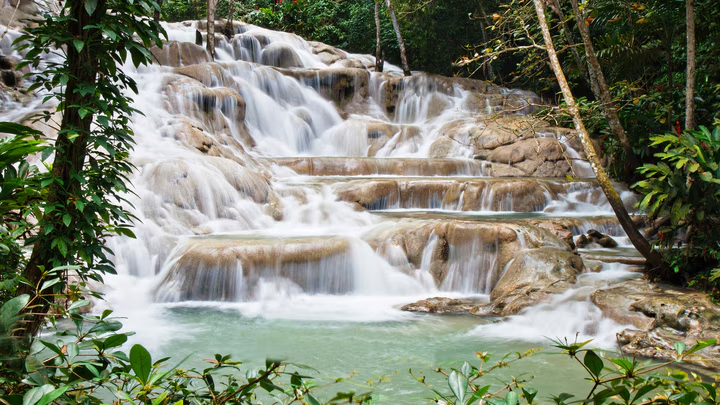
One of Jamaica’s most iconic attractions, Dunn’s River Falls in Ocho Rios, is a must-visit for nature lovers. This 600-foot-long waterfall cascades down natural rock terraces, creating a series of freshwater pools. Visitors can climb the falls with the help of a guide, an exhilarating experience that offers a unique connection with the island’s natural environment.

The Pristine Beaches of Negril

Negril is home to some of the most beautiful beaches in the world. The famous Seven Mile Beach boasts crystal-clear waters and powdery white sand, making it a perfect spot for relaxation and water sports. The cliffs of Negril, on the west end, offer a different perspective, with their dramatic views and opportunities for cliff diving.

The Lush Black River Safari

The Black River, located in the southwestern part of the island, is Jamaica’s longest river. A safari tour on this river takes you through a mangrove swamp, where you can spot various species of birds and crocodiles. The calm waters and lush surroundings make for a serene and educational experience.

The Mystical Glistening Waters Lagoon

The Luminous Lagoon, near Falmouth, is a natural phenomenon that captivates all who visit. This lagoon glows with a mesmerizing blue light at night due to the presence of bioluminescent microorganisms. Taking a boat ride or even a swim in these waters is an otherworldly experience that showcases the magic of Jamaica’s natural beauty.

The Rich Biodiversity of Cockpit Country

Cockpit Country, in the central part of the island, is a unique karst region known for its rugged terrain and rich biodiversity. This area is a sanctuary for numerous species of birds, plants, and the endangered Jamaican swallowtail butterfly. It’s also home to the elusive Jamaican coney, making it a prime destination for eco-tourists and birdwatchers.

Conclusion

Jamaica’s natural wonders are as diverse as they are breathtaking. Whether you’re trekking through the Blue Mountains, diving into the Dunn’s River Falls, or witnessing the glow of the Luminous Lagoon, the island offers endless opportunities to connect with nature. Exploring Jamaica’s beauty is not just a journey through its landscapes but also a deep dive into its ecological richness and cultural heritage.

The Hidden Gem of the Pyrenees: Andorra

justjlm.org – Nestled in the heart of the Pyrenees, Andorra is a small landlocked country that often goes unnoticed by many travelers. Despite its diminutive size, Andorra is a treasure trove of natural beauty, cultural richness, and outdoor adventure, making it a hidden gem waiting to be discovered.

A Brief Overview of Andorra

Andorra is a principality located between France and Spain, known for its duty-free status and as a haven for winter sports enthusiasts. With a population of just over 77,000 people, it is one of the smallest countries in Europe. Despite its size, Andorra has a unique history and culture that sets it apart from its neighbors.

Natural Beauty and Outdoor Activities

One of the main attractions of Andorra is its stunning landscapes. The country is characterized by its high mountains, deep valleys, and pristine lakes, offering a picturesque setting for a variety of outdoor activities.

Winter Sports

During the winter months, Andorra transforms into a winter wonderland, with numerous ski resorts catering to skiers and snowboarders of all levels. The most famous of these are Vallnord and Grandvalira, which together offer over 300 kilometers of slopes.

Hiking and Nature

In the warmer months, the melting snow reveals a network of hiking trails that crisscross the country. The Coma Pedrosa Natural Park is a prime destination for hikers, offering trails that lead to the highest peak in Andorra and provide breathtaking views of the surrounding mountains.

Cultural Richness

Andorra’s culture is a blend of its own traditions and influences from its neighboring countries. The capital, Andorra la Vella, is home to a variety of museums and historical sites that showcase the country’s heritage.

Architecture

The country’s architecture is a mix of traditional and modern styles. The iconic Santa Coloma Bridge, a Romanesque bridge dating back to the 12th century, stands as a testament to the country’s historical past.

Festivals

Andorrans celebrate their culture through various festivals throughout the year. The Andorra National Day on September 8th is a particularly vibrant celebration, featuring parades, concerts, and traditional Andorran dancing.

Shopping and Leisure

Thanks to its duty-free status, Andorra is a shopper’s paradise, with a wide range of products available at tax-free prices. From high-end boutiques to local craft shops, visitors can find everything from luxury goods to handmade souvenirs.

Conclusion

Andorra may be small, but it is a country that punches well above its weight in terms of what it offers to visitors. Whether you’re an outdoor enthusiast, a culture lover, or simply looking for a unique destination to explore, Andorra is a hidden gem that is well worth a visit. Its combination of natural beauty, cultural richness, and duty-free shopping makes it a compelling destination for travelers looking for something off the beaten path.

Exploring Albania: The Hidden Gem of Europe

justjlm.org – Nestled on the Balkan Peninsula, Albania is a country that has long been overlooked by many travelers. However, those who venture to this enigmatic land are rewarded with a rich tapestry of history, culture, and natural beauty. Albania, often referred to as the hidden gem of Europe, is a place where the past and present converge, offering a unique and unspoiled travel experience.

A Land of Ancient History and Ottoman Influence

Albania’s history is as complex as it is fascinating. The country is home to some of the oldest cities in Europe, with archaeological sites that date back to the Illyrian period. The ancient city of Butrint, now a UNESCO World Heritage Site, is a testament to the country’s rich history, showcasing layers of Greek, Roman, Byzantine, and Venetian architecture.

The Ottoman Empire’s rule over Albania for nearly five centuries has left an indelible mark on the country’s culture and landscape. The charming old towns of Berat and Gjirokastër, both UNESCO World Heritage Sites, are characterized by their Ottoman-era houses and mosques, offering a glimpse into a bygone era.

Breathtaking Natural Beauty

Albania’s natural landscapes are nothing short of spectacular. The Albanian Alps in the north offer some of the most dramatic mountain scenery in Europe, with peaks that rival the Dolomites. The Valbona Valley National Park is a hiker’s paradise, with trails that wind through pristine forests and pastures, leading to remote villages and stunning viewpoints.

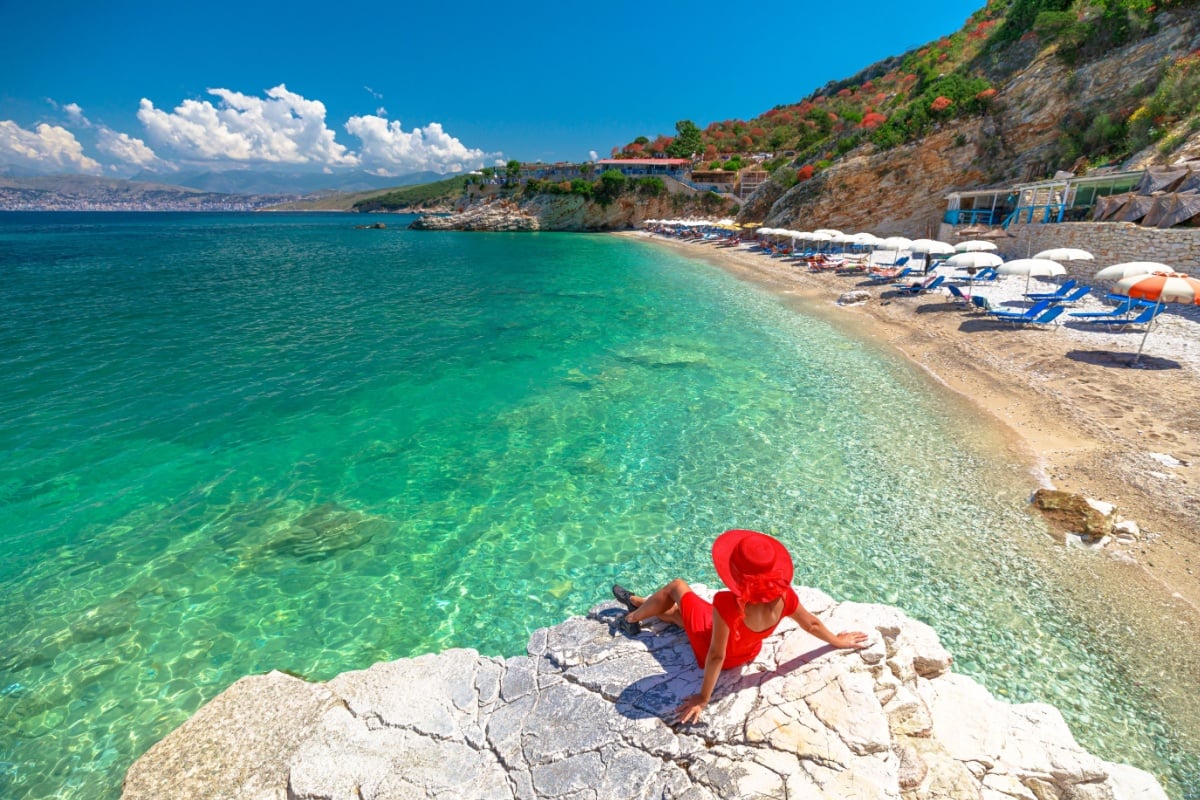
The Albanian Riviera, with its turquoise waters and secluded beaches, is a Mediterranean dream. The beaches of Ksamil, Dhimë, and Jale are perfect for sunbathing and swimming, while the UNESCO-listed Natural Park of Karaburun Peninsula offers unspoiled natural beauty and a chance to escape the crowds.

A Culinary Adventure

Albanian cuisine is a delightful blend of Mediterranean and Balkan flavors. Traditional dishes like tavë kosi (baked lamb with yogurt) and byrek (a savory pastry) are must-tries. The country’s coastal location means that seafood is abundant and fresh, with octopus, mussels, and sea bass commonly found on menus.

The Albanian wine industry is also on the rise, with vineyards in the Vlorë region producing excellent local wines that pair perfectly with the country’s cuisine.

Warm Albanian Hospitality

One of the most memorable aspects of traveling in Albania is the warmth and hospitality of its people. Albanians are known for their generosity and will often go out of their way to make visitors feel welcome. This sense of community and family is deeply ingrained in Albanian culture, making every interaction with locals a heartwarming experience.

Conclusion

Albania is a country that defies expectations. It is a land of ancient history, breathtaking landscapes, and warm hospitality. As the word of its beauty spreads, Albania is slowly emerging from the shadows, ready to be discovered by those seeking an authentic European adventure. Whether you’re drawn to its historical sites, natural wonders, or cultural experiences, Albania promises to enchant and inspire. It’s time to uncover the hidden gem of Europe and explore the wonders of Albania.

A Journey Through China’s History: The Middle Kingdom

justjlm.org – The term “Middle Kingdom” is an English translation of the Chinese term “Zhongguo,” which literally means “central country” or “central state.” This name reflects the ancient Chinese understanding of their place in the world, situated between the earth and the heavens, and at the center of civilization. The history of China, spanning over 5,000 years, is a tapestry of dynasties, philosophies, and cultural achievements that have shaped not only the country itself but also the broader world.

The Dawn of Chinese Civilization

The story of China begins with the Yellow River Valley, where the first Chinese dynasty, the Xia, is said to have emerged around 2100 BCE. However, it was the Shang Dynasty (c. 1600–1046 BCE) that left the first substantial archaeological evidence, including the famous oracle bones inscribed with early forms of Chinese characters. The Shang Dynasty was known for its bronze work, warfare, and a complex social structure.

The Golden Age of Chinese Philosophy

The Eastern Zhou Dynasty (770–256 BCE) marked a period of philosophical and cultural growth known as the Hundred Schools of Thought. This era saw the birth of Confucianism, Taoism, and Legalism, among other schools of thought. Confucius, the most famous Chinese philosopher, taught the importance of ritual, social order, and moral integrity. Laozi, the founder of Taoism, emphasized harmony with the Tao, the fundamental nature of the universe.

The Unification and the Great Wall

The Qin Dynasty (221–206 BCE) is renowned for unifying China under the rule of Qin Shi Huang, who declared himself the first emperor. His reign saw the construction of the Great Wall, the standardization of Chinese script, currency, and measurements, and the infamous burning of books and burying of scholars. Despite its short duration, the Qin Dynasty laid the foundation for a unified Chinese empire.

The Han Dynasty and the Silk Road

The Han Dynasty (206 BCE – 220 CE) is often considered a golden age of Chinese civilization. It was during this period that the Silk Road was established, facilitating trade and cultural exchange between China and the West. The Han Dynasty also saw advancements in science, technology, and the arts, as well as the spread of Confucianism as the state ideology.

The Tang and Song Dynasties: A Cultural Zenith

The Tang Dynasty (618–907 CE) and Song Dynasty (960–1279 CE) are celebrated for their cultural and technological achievements. The Tang capital, Chang’an, was one of the largest and most cosmopolitan cities in the world, attracting traders, scholars, and pilgrims from across the globe. The Song Dynasty, meanwhile, was a period of economic prosperity and innovation, including the invention of gunpowder, the compass, and movable type printing.

The Mongol Invasion and the Yuan Dynasty

The Mongol invasion, led by Genghis Khan and later his grandson Kublai Khan, resulted in the establishment of the Yuan Dynasty (1271–1368 CE). The Mongols expanded China’s borders to their greatest extent, but their rule was also marked by ethnic tensions and economic difficulties.

The Ming and Qing Dynasties: The Last Imperial Eras

The Ming Dynasty (1368–1644 CE) and Qing Dynasty (1644–1912 CE) were the last two imperial dynasties of China. The Ming Dynasty saw the construction of the Forbidden City and the Great Wall in its current form, as well as the voyages of Zheng He, which reached as far as Africa. The Qing Dynasty, founded by the Manchu people, expanded China’s territory to its modern borders but also faced internal rebellions and foreign imperialism in its later years.

The 20th Century and Beyond

The 20th century was a tumultuous period for China, marked by the fall of the Qing Dynasty, the establishment of the Republic of China, the Chinese Civil War, and the founding of the People’s Republic of China in 1949. The latter half of the century saw China’s transformation into a global economic powerhouse, navigating the complexities of modernization while striving to preserve its rich cultural heritage.

Conclusion

The history of China is a testament to the resilience and adaptability of its people. From the ancient dynasties to the modern era, China has been a cradle of civilization, a melting pot of cultures, and a beacon of innovation. As the Middle Kingdom continues to evolve, its journey through history remains a source of fascination and inspiration for people around the world.

Portugal: Where History Meets the Sea

justjlm.org – Nestled on the western edge of Europe, Portugal is a country where the past whispers in the cobblestone streets and the sea sings in the coastal breeze. This enchanting nation, with its rich history and stunning coastline, offers a unique blend of cultural heritage and natural beauty. From the medieval castles perched atop hills to the golden beaches kissed by the Atlantic, Portugal is a place where history meets the sea in a harmonious embrace.

A Tapestry of History

Portugal’s history is as vast and varied as its landscapes. The country’s story is one of exploration, conquest, and resilience. It was from the port city of Lisbon that the great navigators set sail, charting new territories and forging a vast empire that once spanned the globe. The legacy of this Age of Discovery is preserved in the country’s many museums, monuments, and the very fabric of its cities.

In Lisbon, the Tower of Belém stands as a testament to Portugal’s maritime past. This ornate fortress, with its distinctive Manueline architecture, was a key departure point for voyages to the New World. Nearby, the Jerónimos Monastery, with its intricate stonework and vaulted ceilings, is a UNESCO World Heritage site that celebrates the wealth and power Portugal once wielded.

Further north, the city of Porto, with its steep hills and narrow streets, is a living museum of medieval architecture. The iconic Dom Luís I Bridge spans the Douro River, offering breathtaking views of the city’s skyline. Here, the history of port wine is intertwined with the city’s heritage, with cellars lining the riverbanks where visitors can taste the famous fortified wine.

The Allure of the Coast

Portugal’s coastline is a place of natural beauty and tranquility. The Algarve, with its rugged cliffs and sandy coves, is a haven for sun-seekers and surfers alike. The region’s beaches, like Praia da Marinha and Praia do Camilo, are among the most picturesque in Europe, offering crystal-clear waters and dramatic scenery.

The Costa Vicentina, stretching along the southwestern coast, is a wilder, less explored area, where the Atlantic Ocean meets the land in a dramatic display of nature’s power. Here, the Rota Vicentina hiking trail winds through unspoiled landscapes, providing a glimpse into Portugal’s rural life and breathtaking coastal views.

A Cultural Mosaic

Portugal’s culture is a mosaic of traditions, music, and cuisine that reflects its history and geography. Fado, the soulful music of Lisbon, tells the stories of sailors and their loves lost at sea. The melancholic tunes, played in the city’s traditional taverns, are a window into the Portuguese soul.

Gastronomy is another area where Portugal’s history meets the sea. The country’s cuisine is a celebration of fresh seafood, with dishes like bacalhau (salted cod) and polvo à lagareiro (baked octopus) featuring prominently on menus. The influence of Portugal’s former colonies is also evident in the spices and flavors that have made their way into the national cuisine.

Conclusion

Portugal is a country where history and the sea converge to create a unique tapestry of culture and nature. From the historic cities that tell the tale of a seafaring nation to the unspoiled beaches that offer a taste of paradise, Portugal invites travelers to explore its rich heritage and natural beauty. Whether you’re wandering the cobblestone streets of Lisbon, tasting port wine in Porto, or surfing the waves of the Algarve, Portugal is a place where the past and present meet in perfect harmony.

The Flamenco: Spain’s Passionate Dance

justjlm.org – Flamenco is not just a dance; it’s a vibrant expression of Spanish culture, a fusion of music, song, and dance that has captivated audiences worldwide. Originating in the southern regions of Spain, particularly in Andalusia, Flamenco has evolved over centuries, blending various cultural influences to become an emblematic art form of Spain.

The Origins of Flamenco

The roots of Flamenco are as complex and rich as the dance itself. Scholars believe it emerged from the intermingling of various cultures, including the indigenous Andalusians, the Roma (Gypsies), Moors, and Sephardic Jews. This cultural melting pot, combined with influences from Africa and the Americas, contributed to the unique sound and style of Flamenco.

The Elements of Flamenco

Flamenco is a trinity of art forms: cante (singing), toque (guitar playing), and baile (dance). Each element is crucial to the performance, and together, they create a powerful and emotional experience.

Cante: The Soulful Singing

Cante jondo, or deep song, is the heart of Flamenco. It’s characterized by its deep, emotive quality, often expressing themes of love, longing, and sorrow. The singer, or cantaor, uses their voice to convey raw emotion, connecting directly with the audience.

Toque: The Rhythmic Guitar

The guitarist, or tocaor, provides the rhythmic backbone of Flamenco. The Flamenco guitar is played with passion and precision, its strings strummed and plucked to create intricate melodies and rhythms that complement the dance and singing.

Baile: The Expressive Dance

The dancer, or bailaor/bailaora (male/female), is the visual representation of Flamenco. With intricate footwork, expressive hand and arm movements, and powerful body language, the dancer tells a story, embodying the soul of the music. The dance is both graceful and fiery, a balance of control and abandon.

The Evolution of Flamenco

Over the years, Flamenco has evolved, adapting to changing times while retaining its essence. It has seen periods of suppression and resurgence, each phase contributing to its rich history. Today, Flamenco is celebrated globally, with festivals, schools, and performances showcasing the art form’s enduring appeal.

The Cultural Significance of Flamenco

Flamenco is more than just entertainment; it’s a reflection of Spain’s history and identity. It speaks to the struggles, joys, and passions of the Spanish people, particularly the Roma community, who have played a significant role in its development.

Experiencing Flamenco

To truly appreciate Flamenco, one must witness it live. The energy, the emotion, and the connection between the artists and the audience create a unique experience that cannot be replicated through recordings. Whether in a small tablao (Flamenco venue) in Seville or on a grand stage, Flamenco has the power to move and inspire.

Conclusion

Flamenco is a testament to the enduring spirit of Spanish culture. It’s a passionate, emotional art form that continues to captivate and evolve. Whether you’re a seasoned aficionado or a curious newcomer, Flamenco offers a glimpse into the soul of Spain, inviting you to feel, to move, and to celebrate the beauty of human expression.

A Journey Across America: From Sea to Shining Sea

justjlm.org – Embarking on the Ultimate American Road Trip The phrase “from sea to shining sea” encapsulates the grandeur and diversity of the United States, inviting travelers to embark on a journey that spans the nation’s breadth. This epic road trip promises a deep dive into American culture, history, and natural beauty, from the Atlantic’s shores to the Pacific’s edge.

The Eastern Seaboard: Where History Meets Modernity

Our journey begins along the Eastern Seaboard, where the Atlantic Ocean’s waves greet the dawn. Iconic cities like New York, Boston, and Washington D.C. stand as beacons of American history and innovation. The Statue of Liberty, historic Boston’s Freedom Trail, and the monuments of Washington D.C. offer a glimpse into the nation’s soul.

The Heartland: America’s Agricultural Cradle

Venturing westward, the urban landscapes of the East give way to the rolling hills and fertile plains of the Midwest. This region, the heartland, is where America’s agricultural roots run deep. Small towns, big skies, and the vastness of the Great Lakes reflect the simplicity and strength of middle America.

The Great Plains: The Wild Spirit of the West

As the journey continues, the Great Plains unfold like a sea of grass, embodying the solitude and resilience of the American spirit. The Badlands of South Dakota and the Black Hills evoke a sense of the untamed West, while the Rocky Mountains rise in the distance, promising adventure and awe-inspiring vistas.

The Rocky Mountains: Nature’s Majestic Spine

The Rockies, with their towering peaks and hidden valleys, challenge and reward travelers with their unparalleled beauty. Ski resorts in Colorado, the wilderness of Montana, and the geothermal wonders of Yellowstone National Park showcase the rugged heart of America.

The Southwest: Deserts, Canyons, and Cultural Depth

The Southwest’s deserts and canyons reveal a different face of America, one shaped by ancient forces and Native American traditions. The Grand Canyon, a testament to the power of nature, and the cultural hubs of Albuquerque and Santa Fe, blend the old and new in a uniquely Southwestern tapestry.

The Pacific Coast: Sunset Over the Western Edge

The final leg of our journey takes us to the Pacific Coast, where the trip’s end is marked by the setting sun over the ocean. California’s cities, beaches, and the iconic Route 1 offer a blend of American culture and natural beauty. Landmarks like the Golden Gate Bridge and the Hollywood sign stand as symbols of the West Coast’s allure.

Conclusion: A Journey Through the Heart of America

From the historic cities of the East to the sun-drenched shores of the West, a journey across America is a voyage through the heart of a nation. “From sea to shining sea” is not just a phrase but an invitation to explore the vastness and vibrancy of the United States, one memorable mile at a time.

Adventures in Australia: Sunburnt Country Living

justjlm.org – Australia, often referred to as the Sunburnt Country, is a land of vast horizons, diverse landscapes, and an adventurer’s paradise. From the sun-soaked beaches of the Gold Coast to the rugged outback of the Northern Territory, this country offers a plethora of experiences that are as unique as they are exhilarating. In this article, we will explore the adventures that await those who dare to embrace the spirit of Australia.

The Great Outdoors

Australia’s natural beauty is its most striking feature. The Great Barrier Reef, the world’s largest coral reef system, is a kaleidoscope of marine life and coral formations. Snorkeling or diving here is like entering another world, where the water is a canvas of blues and greens, and the marine life is as diverse as it is colorful.

For those who prefer their adventures on dry land, the Australian outback offers a different kind of beauty. The Red Centre, home to Uluru (Ayers Rock), is a place of ancient spirituality and natural wonder. Watching the sunrise or sunset here, as the rock changes color, is an experience that touches the soul.

Adventure Sports

Australia is a playground for adventure sports enthusiasts. Surfing is a way of life on the east coast, with world-class breaks attracting surfers from around the globe. Whether you’re a beginner catching your first wave or a pro riding a barrel, Australia’s beaches have something for everyone.

For those who seek adrenaline, skydiving over the beaches of Sydney or the landscapes of the Gold Coast offers an unparalleled rush. The view of the coastline from above is breathtaking, and the freefall is an experience that is both terrifying and exhilarating.

Wildlife Encounters

Australia is home to some of the most unique wildlife in the world. The Great Ocean Road is not only a scenic drive but also an opportunity to spot koalas in the wild. Kangaroos can be seen hopping across the outback, and the chance to swim with whale sharks off the coast of Western Australia is a once-in-a-lifetime experience.

The Daintree Rainforest in Queensland is the oldest rainforest in the world and is home to a diverse range of flora and fauna. A guided tour here can reveal the secrets of this ancient ecosystem and the creatures that call it home.

Cultural Experiences

Australia’s indigenous culture is as old as the land itself. Learning about Aboriginal art, music, and stories is a journey into the soul of the country. The Tjapukai Aboriginal Cultural Park in Queensland offers insights into the traditions and history of the Tjapukai people, while the National Museum of Australia in Canberra provides a broader perspective on the country’s cultural heritage.

Food and Wine

No adventure in Australia would be complete without indulging in its culinary delights. The Barossa Valley in South Australia is famous for its wines, and a wine tour here can introduce you to some of the best drops in the world. The fresh seafood, from Sydney rock oysters to Queensland barramundi, is a must-try, and the fusion of indigenous ingredients with modern cooking techniques creates a unique Australian cuisine.

Conclusion

Living in or visiting Australia is an adventure in itself. The Sunburnt Country offers a tapestry of experiences that cater to every taste and interest. Whether you’re drawn to the natural wonders, the thrill of adventure sports, the unique wildlife, the rich culture, or the delicious food and wine, Australia promises an unforgettable journey. So pack your bags, embrace the sunburnt country’s spirit, and get ready for the adventure of a lifetime.