A Journey Through China’s History: The Middle Kingdom

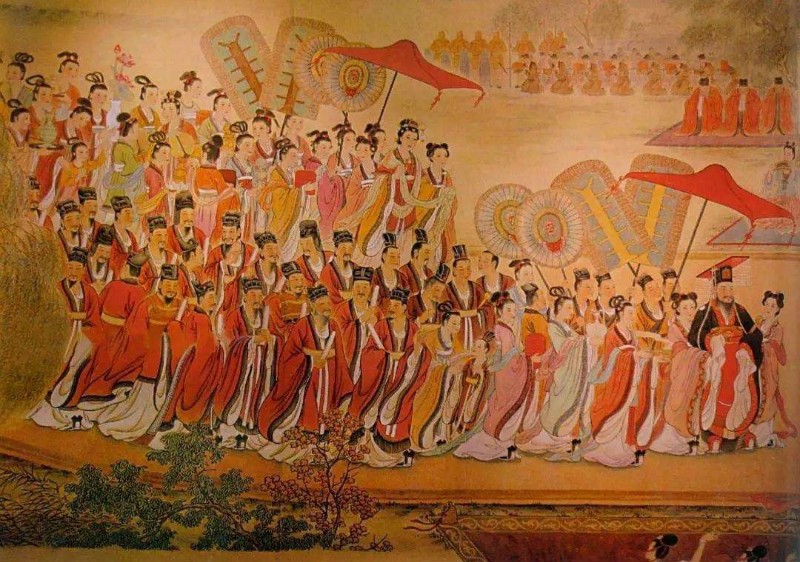
justjlm.org – The term “Middle Kingdom” is an English translation of the Chinese term “Zhongguo,” which literally means “central country” or “central state.” This name reflects the ancient Chinese understanding of their place in the world, situated between the earth and the heavens, and at the center of civilization. The history of China, spanning over 5,000 years, is a tapestry of dynasties, philosophies, and cultural achievements that have shaped not only the country itself but also the broader world.

The Dawn of Chinese Civilization

The story of China begins with the Yellow River Valley, where the first Chinese dynasty, the Xia, is said to have emerged around 2100 BCE. However, it was the Shang Dynasty (c. 1600–1046 BCE) that left the first substantial archaeological evidence, including the famous oracle bones inscribed with early forms of Chinese characters. The Shang Dynasty was known for its bronze work, warfare, and a complex social structure.

The Golden Age of Chinese Philosophy

The Eastern Zhou Dynasty (770–256 BCE) marked a period of philosophical and cultural growth known as the Hundred Schools of Thought. This era saw the birth of Confucianism, Taoism, and Legalism, among other schools of thought. Confucius, the most famous Chinese philosopher, taught the importance of ritual, social order, and moral integrity. Laozi, the founder of Taoism, emphasized harmony with the Tao, the fundamental nature of the universe.

The Unification and the Great Wall

The Qin Dynasty (221–206 BCE) is renowned for unifying China under the rule of Qin Shi Huang, who declared himself the first emperor. His reign saw the construction of the Great Wall, the standardization of Chinese script, currency, and measurements, and the infamous burning of books and burying of scholars. Despite its short duration, the Qin Dynasty laid the foundation for a unified Chinese empire.

The Han Dynasty and the Silk Road

The Han Dynasty (206 BCE – 220 CE) is often considered a golden age of Chinese civilization. It was during this period that the Silk Road was established, facilitating trade and cultural exchange between China and the West. The Han Dynasty also saw advancements in science, technology, and the arts, as well as the spread of Confucianism as the state ideology.

The Tang and Song Dynasties: A Cultural Zenith

The Tang Dynasty (618–907 CE) and Song Dynasty (960–1279 CE) are celebrated for their cultural and technological achievements. The Tang capital, Chang’an, was one of the largest and most cosmopolitan cities in the world, attracting traders, scholars, and pilgrims from across the globe. The Song Dynasty, meanwhile, was a period of economic prosperity and innovation, including the invention of gunpowder, the compass, and movable type printing.

The Mongol Invasion and the Yuan Dynasty

The Mongol invasion, led by Genghis Khan and later his grandson Kublai Khan, resulted in the establishment of the Yuan Dynasty (1271–1368 CE). The Mongols expanded China’s borders to their greatest extent, but their rule was also marked by ethnic tensions and economic difficulties.

The Ming and Qing Dynasties: The Last Imperial Eras

The Ming Dynasty (1368–1644 CE) and Qing Dynasty (1644–1912 CE) were the last two imperial dynasties of China. The Ming Dynasty saw the construction of the Forbidden City and the Great Wall in its current form, as well as the voyages of Zheng He, which reached as far as Africa. The Qing Dynasty, founded by the Manchu people, expanded China’s territory to its modern borders but also faced internal rebellions and foreign imperialism in its later years.

The 20th Century and Beyond

The 20th century was a tumultuous period for China, marked by the fall of the Qing Dynasty, the establishment of the Republic of China, the Chinese Civil War, and the founding of the People’s Republic of China in 1949. The latter half of the century saw China’s transformation into a global economic powerhouse, navigating the complexities of modernization while striving to preserve its rich cultural heritage.

Conclusion

The history of China is a testament to the resilience and adaptability of its people. From the ancient dynasties to the modern era, China has been a cradle of civilization, a melting pot of cultures, and a beacon of innovation. As the Middle Kingdom continues to evolve, its journey through history remains a source of fascination and inspiration for people around the world.

Portugal: Where History Meets the Sea

justjlm.org – Nestled on the western edge of Europe, Portugal is a country where the past whispers in the cobblestone streets and the sea sings in the coastal breeze. This enchanting nation, with its rich history and stunning coastline, offers a unique blend of cultural heritage and natural beauty. From the medieval castles perched atop hills to the golden beaches kissed by the Atlantic, Portugal is a place where history meets the sea in a harmonious embrace.

A Tapestry of History

Portugal’s history is as vast and varied as its landscapes. The country’s story is one of exploration, conquest, and resilience. It was from the port city of Lisbon that the great navigators set sail, charting new territories and forging a vast empire that once spanned the globe. The legacy of this Age of Discovery is preserved in the country’s many museums, monuments, and the very fabric of its cities.

In Lisbon, the Tower of Belém stands as a testament to Portugal’s maritime past. This ornate fortress, with its distinctive Manueline architecture, was a key departure point for voyages to the New World. Nearby, the Jerónimos Monastery, with its intricate stonework and vaulted ceilings, is a UNESCO World Heritage site that celebrates the wealth and power Portugal once wielded.

Further north, the city of Porto, with its steep hills and narrow streets, is a living museum of medieval architecture. The iconic Dom Luís I Bridge spans the Douro River, offering breathtaking views of the city’s skyline. Here, the history of port wine is intertwined with the city’s heritage, with cellars lining the riverbanks where visitors can taste the famous fortified wine.

The Allure of the Coast

Portugal’s coastline is a place of natural beauty and tranquility. The Algarve, with its rugged cliffs and sandy coves, is a haven for sun-seekers and surfers alike. The region’s beaches, like Praia da Marinha and Praia do Camilo, are among the most picturesque in Europe, offering crystal-clear waters and dramatic scenery.

The Costa Vicentina, stretching along the southwestern coast, is a wilder, less explored area, where the Atlantic Ocean meets the land in a dramatic display of nature’s power. Here, the Rota Vicentina hiking trail winds through unspoiled landscapes, providing a glimpse into Portugal’s rural life and breathtaking coastal views.

A Cultural Mosaic

Portugal’s culture is a mosaic of traditions, music, and cuisine that reflects its history and geography. Fado, the soulful music of Lisbon, tells the stories of sailors and their loves lost at sea. The melancholic tunes, played in the city’s traditional taverns, are a window into the Portuguese soul.

Gastronomy is another area where Portugal’s history meets the sea. The country’s cuisine is a celebration of fresh seafood, with dishes like bacalhau (salted cod) and polvo à lagareiro (baked octopus) featuring prominently on menus. The influence of Portugal’s former colonies is also evident in the spices and flavors that have made their way into the national cuisine.

Conclusion

Portugal is a country where history and the sea converge to create a unique tapestry of culture and nature. From the historic cities that tell the tale of a seafaring nation to the unspoiled beaches that offer a taste of paradise, Portugal invites travelers to explore its rich heritage and natural beauty. Whether you’re wandering the cobblestone streets of Lisbon, tasting port wine in Porto, or surfing the waves of the Algarve, Portugal is a place where the past and present meet in perfect harmony.

History of Sea Games: Ancient Traditions, Modern Competitions

justjlm.org – The history of sea games is deeply rooted in the maritime traditions of ancient civilizations. These early forms of aquatic competitions were not only a testament to human adaptation with water but also a celebration of survival skills and naval prowess. The ancient Greeks, for instance, had a rich tradition of naval games, which were often a part of their religious festivals. The Romans, too, had their version of naval games, known as Naumachiae, which were grand spectacles held in artificial lakes, showcasing mock sea battles and naval skills.

The Evolution of Sea Games in the Middle Ages

As civilizations evolved, so did the nature of sea games. During the Middle Ages, sea games took on a more practical aspect, focusing on the development of naval tactics and seamanship. The Venetians, for example, celebrated the marriage of the sea with an annual ceremony that included a regatta, symbolizing their dominance in maritime trade and naval power. These events were not only a display of skill but also a means of fostering unity among sailors and the community.

The Rise of Modern Sea Games

The 19th and 20th centuries saw a significant transformation in sea games, with the advent of modern sports and the establishment of international competitions. The first modern Olympic Games in 1896 included swimming as an event, marking the beginning of a new era for aquatic sports. Over the years, various disciplines such as rowing, sailing, and water polo were introduced, reflecting the growing interest in competitive sea games.

The Southeast Asian Games: A Regional Celebration

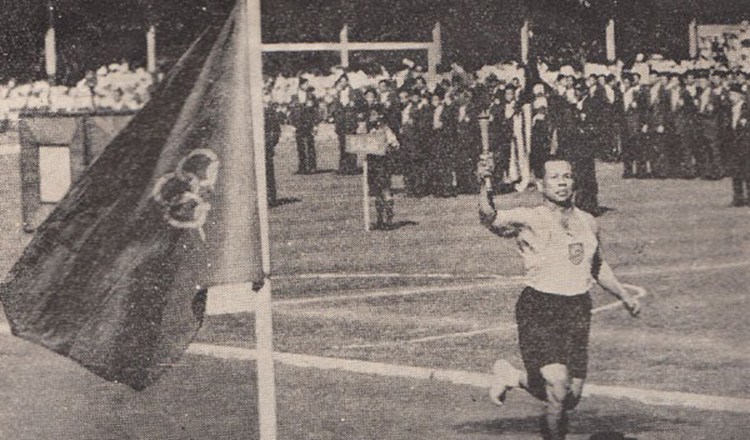
One of the most notable modern iterations of sea games is the Southeast Asian Games, which includes a variety of aquatic sports. This biennial event brings together nations from Southeast Asia to compete in a range of disciplines, both on land and at sea. The inclusion of sea games in such a prestigious event underscores the enduring appeal and significance of maritime competitions in the region.

The Future of Sea Games

As we look to the future, the evolution of sea games continues. With advancements in technology and a growing awareness of environmental issues, there is a renewed focus on sustainability and innovation in sea games. From eco-friendly boat designs to the development of new aquatic sports, the future of sea games promises to be as dynamic and exciting as its rich history.

Conclusion

The history of sea games is a fascinating journey that spans millennia, from ancient naval traditions to modern competitive sports. It reflects humanity’s deep connection with the sea and our enduring fascination with mastering the waves. Whether as a form of religious ritual, a display of naval might, or a competitive sport, sea games have always been a celebration of human resilience, skill, and unity. As we continue to explore and compete on the world’s oceans, the legacy of sea games will undoubtedly inspire new generations to come.

A Journey Through Milk History: The Creamy Chronicles

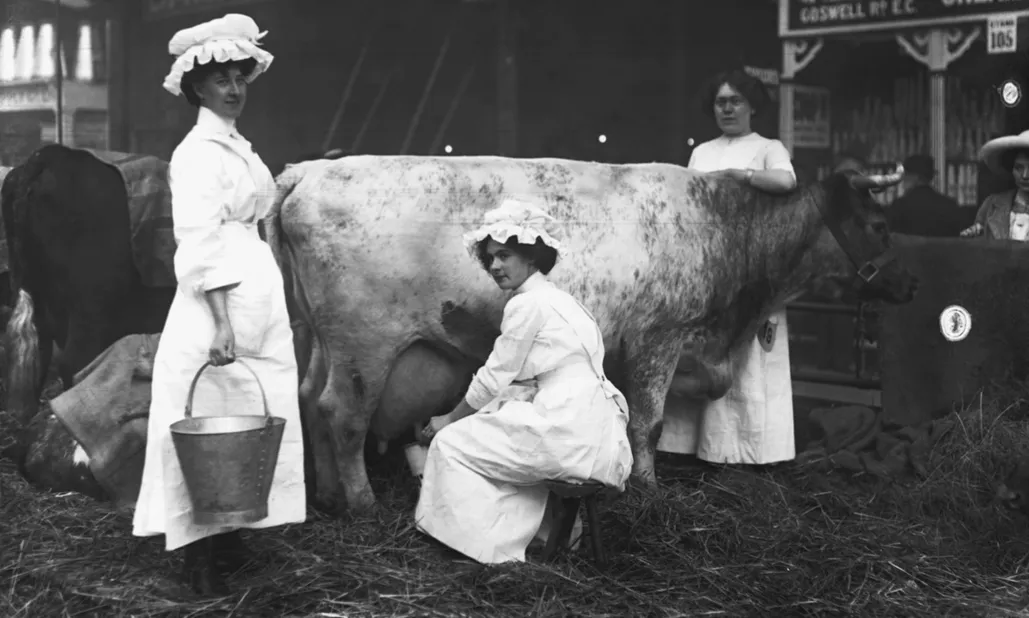
justjlm.org – Milk, often referred to as liquid gold, has been a cornerstone of human nutrition for millennia. Its journey from a simple animal byproduct to a global commodity is a testament to its versatility and importance. “The Creamy Chronicles” delves into the rich history of milk, exploring its role in various cultures, its nutritional significance, and the technological advancements that have shaped its production and consumption.

The Dawn of Dairying

The story of milk begins around 9000 BCE with the domestication of animals. The first evidence of dairying comes from the remains of pottery vessels in the Near East, suggesting that early farmers were processing milk. This innovation was a game-changer, providing a stable source of nutrition that could sustain populations through harsh winters and famines.

Milk in Ancient Civilizations

In ancient civilizations, milk was more than just a dietary staple; it was often imbued with cultural and religious significance. The Egyptians, for example, used milk in their embalming processes and as an offering to their gods. The Greeks and Romans celebrated milk as a symbol of purity and strength, with athletes consuming it to enhance their performance.

The Spread of Dairy Farming

As civilizations expanded, so did the practice of dairy farming. The Vikings were instrumental in spreading dairy farming across Europe, introducing new breeds of cattle and innovative farming techniques. The spread of the British Empire further popularized milk consumption worldwide, with dairy farming being introduced to the colonies.

Industrial Revolution and Milk Production

The Industrial Revolution brought about significant changes in milk production and consumption. Urbanization led to a demand for milk that could not be met by local farms, prompting the development of commercial dairy farms and the introduction of pasteurization to ensure milk safety.

The 20th Century: Milk Becomes a Global Commodity

The 20th century saw milk become a global commodity, with advancements in refrigeration and transportation making it accessible to people around the world. The introduction of milk powder and UHT (Ultra-High Temperature) processing extended its shelf life, making it a staple in both developed and developing countries.

Nutritional Importance of Milk

Milk is celebrated for its nutritional value, being an excellent source of calcium, vitamin D, and protein. It plays a crucial role in the development of strong bones and teeth, making it an essential part of a balanced diet, especially for children and the elderly.

The Future of Milk

As we look to the future, the dairy industry faces challenges such as sustainability, animal welfare, and the rise of plant-based alternatives. Innovations like lab-grown milk and plant-based milks that mimic the nutritional profile of dairy milk are paving the way for a more inclusive and sustainable dairy industry.

Conclusion

“The Creamy Chronicles” is a testament to the enduring legacy of milk. From its humble beginnings as a byproduct of animal domestication to its status as a global commodity, milk has been an integral part of human civilization. As we continue to innovate and adapt, the story of milk promises to be as rich and varied as the cultures it has nourished.

A History of Gold’s Allure: The Golden Touch

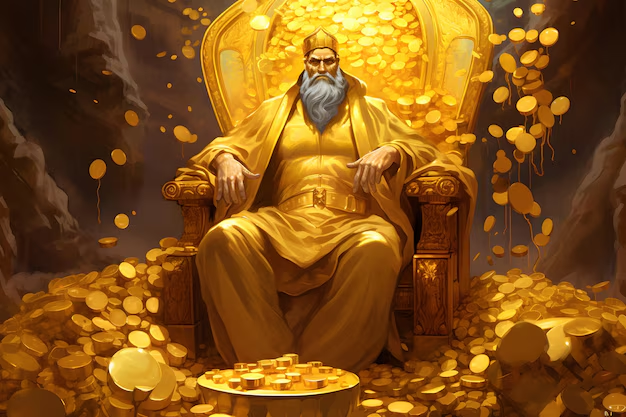
justjlm.org – Gold, a precious metal that has captivated human imagination for millennia, has a history as dazzling as its luster. From ancient civilizations to modern times, gold has been a symbol of wealth, power, and beauty. Its allure is timeless, transcending cultures and epochs. This article delves into the fascinating history of gold’s allure, exploring its significance across different eras and its enduring appeal.

Ancient Beginnings: The First Gleam of Gold

The allure of gold dates back to the dawn of civilization. Ancient Egyptians were among the first to be mesmerized by gold, considering it the flesh of the gods. They used it extensively in their jewelry, artifacts, and even in the construction of their monumental tombs, believing it would preserve the bodies of their pharaohs for eternity. The famous Egyptian queen Cleopatra was said to have dissolved a pearl in vinegar and drank it as a display of her immense wealth, a testament to the lengths to which people would go to flaunt their gold.

Gold in the Age of Empires

As civilizations grew, so did their fascination with gold. The Romans, with their vast empire, had an insatiable appetite for gold, using it to mint coins that would become the standard currency across the known world. The Roman historian Pliny the Elder lamented the obsession with gold, writing, “Gold is a curse to men, and all the woes on earth spring from it.” Yet, despite such criticisms, the allure of gold only intensified, driving explorations and conquests.

The Gold Rush Era: A Global Obsession

The 19th century saw a frenzy of gold discoveries, sparking gold rushes in California, Australia, and South Africa. These events were characterized by a mass migration of hopeful prospectors seeking their fortunes. The allure of gold was so strong that it led to the development of entire towns and the transformation of economies. The iconic image of the gold prospector, panning for gold in a river, became emblematic of the era’s dreams and aspirations.

Gold in Modern Times: A Symbol of Wealth and Status

Today, gold continues to hold a special place in our society. It is a symbol of wealth and status, coveted for its beauty and rarity. From luxury watches to high-end jewelry, gold remains a sought-after commodity. Moreover, it plays a crucial role in the global economy, serving as a safe-haven investment during times of economic uncertainty.

The Environmental and Ethical Costs of Gold

However, the allure of gold is not without its shadows. The environmental and ethical costs of gold mining are significant, from the destruction of habitats to the exploitation of workers. These issues have led to a growing movement towards responsible gold sourcing and the development of sustainable mining practices.

Conclusion: The Enduring Allure of Gold

Throughout history, gold has been more than just a precious metal; it has been a symbol of human aspiration and desire. Its allure has driven exploration, inspired art, and shaped economies. While the challenges associated with gold mining remind us of the need for ethical practices, the enduring allure of gold is a testament to its timeless appeal. As we continue to be drawn to its gleaming beauty, it is essential to remember the legacy of gold and the responsibilities that come with its allure.

History of the Academy Awards: The Golden Moment

justjlm.org – The Academy Awards, also known as the Oscars, are the most prestigious awards in the film industry, recognizing outstanding achievements in various fields of cinema. The history of the Academy Awards is a tale of glamour, talent, and the evolution of the art of filmmaking. This article delves into the origins, milestones, and the enduring legacy of Hollywood’s most celebrated event.

The Birth of an Idea

The story of the Academy Awards begins in 1927, when the Academy of Motion Picture Arts and Sciences (AMPAS) was founded by Louis B. Mayer, head of Metro-Goldwyn-Mayer (MGM), along with other luminaries of the film industry. The primary goal was to create a trade organization that would improve the film industry’s image and address issues like piracy and censorship. However, it was the idea of an awards ceremony that would eventually capture the world’s imagination.

The First Academy Awards

The inaugural Academy Awards ceremony was held on May 16, 1929, at the Hollywood Roosevelt Hotel. It was a private and intimate affair, with around 270 attendees. The awards themselves were simple plaques, not the gold statuettes that would become iconic. The ceremony was so low-key that many of the winners already knew they had won weeks before the event.

The Evolution of the Oscars

Over the years, the Academy Awards have grown significantly in scale and prestige. The golden statuette, officially named the Academy Award of Merit but commonly referred to as Oscar, became the symbol of excellence in the film industry. The ceremony itself has evolved from a small dinner to a grand event watched by millions around the globe.

The categories of awards have also expanded, reflecting the growth and diversification of the film industry. From the original awards for Best Actor, Best Actress, Best Director, and Best Picture, the Oscars now include categories for technical achievements, documentaries, foreign language films, and more.

Milestones and Memorable Moments

The history of the Academy Awards is punctuated by milestones and memorable moments. It has been a platform for celebrating groundbreaking films like “Gone with the Wind,” “The Godfather,” and “Titanic,” as well as recognizing the talents of legendary figures such as Alfred Hitchcock, Meryl Streep, and Steven Spielberg.

The Oscars have also been a stage for social and political statements, with winners using their acceptance speeches to address issues of the day. The ceremony has seen its share of surprises, controversies, and unforgettable fashion moments, contributing to its status as a cultural phenomenon.

The Enduring Legacy

Despite changes in the film industry and shifts in cultural landscape, the Academy Awards remain a symbol of excellence and a celebration of cinematic achievement. The ceremony continues to draw attention, spark conversations, and inspire new generations of filmmakers and moviegoers.

The Academy Awards have not been without their critics, with debates over diversity, representation, and the relevance of the awards in the age of streaming. However, the Oscars have shown a willingness to adapt, with recent years seeing efforts to make the ceremony more inclusive and reflective of the diverse voices in cinema.

Conclusion

The history of the Academy Awards is a testament to the enduring power of cinema. From its humble beginnings to its status as a global event, the Oscars have been a golden moment that encapsulates the magic of movies. As the film industry continues to evolve, the Academy Awards will undoubtedly continue to reflect its changes, celebrating the artistry, innovation, and storytelling that make movies a universal language.