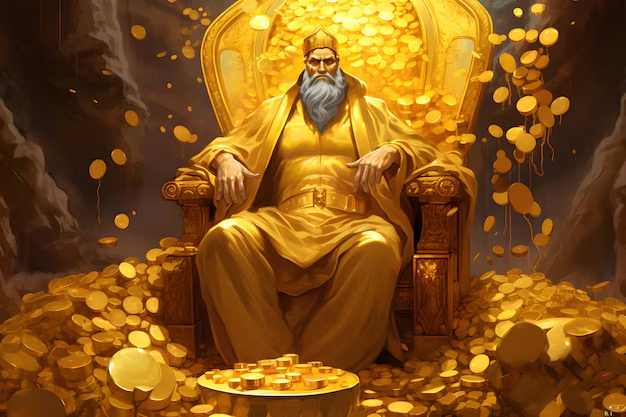
A History of Gold’s Allure: The Golden Touch

justjlm.org – Gold, a precious metal that has captivated human imagination for millennia, has a history as dazzling as its luster. From ancient civilizations to modern times, gold has been a symbol of wealth, power, and beauty. Its allure is timeless, transcending cultures and epochs. This article delves into the fascinating history of gold’s allure, exploring its significance across different eras and its enduring appeal.

Ancient Beginnings: The First Gleam of Gold

The allure of gold dates back to the dawn of civilization. Ancient Egyptians were among the first to be mesmerized by gold, considering it the flesh of the gods. They used it extensively in their jewelry, artifacts, and even in the construction of their monumental tombs, believing it would preserve the bodies of their pharaohs for eternity. The famous Egyptian queen Cleopatra was said to have dissolved a pearl in vinegar and drank it as a display of her immense wealth, a testament to the lengths to which people would go to flaunt their gold.

Gold in the Age of Empires

As civilizations grew, so did their fascination with gold. The Romans, with their vast empire, had an insatiable appetite for gold, using it to mint coins that would become the standard currency across the known world. The Roman historian Pliny the Elder lamented the obsession with gold, writing, “Gold is a curse to men, and all the woes on earth spring from it.” Yet, despite such criticisms, the allure of gold only intensified, driving explorations and conquests.

The Gold Rush Era: A Global Obsession

The 19th century saw a frenzy of gold discoveries, sparking gold rushes in California, Australia, and South Africa. These events were characterized by a mass migration of hopeful prospectors seeking their fortunes. The allure of gold was so strong that it led to the development of entire towns and the transformation of economies. The iconic image of the gold prospector, panning for gold in a river, became emblematic of the era’s dreams and aspirations.

Gold in Modern Times: A Symbol of Wealth and Status

Today, gold continues to hold a special place in our society. It is a symbol of wealth and status, coveted for its beauty and rarity. From luxury watches to high-end jewelry, gold remains a sought-after commodity. Moreover, it plays a crucial role in the global economy, serving as a safe-haven investment during times of economic uncertainty.

The Environmental and Ethical Costs of Gold

However, the allure of gold is not without its shadows. The environmental and ethical costs of gold mining are significant, from the destruction of habitats to the exploitation of workers. These issues have led to a growing movement towards responsible gold sourcing and the development of sustainable mining practices.

Conclusion: The Enduring Allure of Gold

Throughout history, gold has been more than just a precious metal; it has been a symbol of human aspiration and desire. Its allure has driven exploration, inspired art, and shaped economies. While the challenges associated with gold mining remind us of the need for ethical practices, the enduring allure of gold is a testament to its timeless appeal. As we continue to be drawn to its gleaming beauty, it is essential to remember the legacy of gold and the responsibilities that come with its allure.

The Allure of Dating Shows: Matchmaking on Camera

justjlm.org – In the fast-paced, digitally-driven world of the 21st century, the quest for love has taken a fascinating turn towards the small screen. Dating shows, once a niche genre, have exploded in popularity, captivating audiences worldwide. From the early days of “The Dating Game” in the 1960s to the modern-day phenomena like “Love Is Blind” and “Too Hot to Handle,” these programs have evolved, reflecting societal changes and technological advancements. But what is it about watching strangers navigate the complexities of love and relationships that keeps viewers tuning in? This article delves into the allure of dating shows, exploring their impact on culture, the reasons behind their popularity, and the lessons they offer about human connection in the digital age.

The Evolution of Dating Shows

Dating shows have come a long way since their inception. Initially, they were simple, often comedic affairs where contestants would answer questions or perform tasks to win a date with a bachelor or bachelorette. Over time, the format has become more diverse, with shows focusing on everything from arranged marriages to dating in the dark. The advent of streaming services has further revolutionized the genre, allowing for more experimental formats and a global reach.

The Allure of Reality

One of the primary draws of dating shows is their promise of reality. In a world saturated with scripted content, the idea of watching genuine interactions and emotions unfold is compelling. Viewers are drawn to the relatability of the characters’ experiences, from the awkward first dates to the heartbreak and triumphs of finding a connection. This relatability fosters a sense of community among viewers, who often share their reactions and predictions on social media, turning the viewing experience into a collective journey.

Escapism and Entertainment

Beyond the reality aspect, dating shows offer a form of escapism. They transport viewers into a world where love is the ultimate prize, and the journey to find it is filled with drama, romance, and sometimes, unexpected twists. The entertainment value lies not only in rooting for or against certain couples but also in the voyeuristic pleasure of watching people navigate the often-awkward dance of dating.

Social Commentary and Change

Dating shows have also become a platform for social commentary and change. They have been instrumental in challenging traditional dating norms and promoting inclusivity. Shows like “Are You the One?” and “Queer Eye” have highlighted LGBTQ+ relationships, while others have focused on diverse casts, reflecting a broader spectrum of society. This representation has played a crucial role in normalizing different types of love and relationships, making dating shows a powerful tool for social progress.

The Search for Connection

At the heart of the allure of dating shows is the universal desire for connection. In an era where dating apps and online interactions have become the norm, these shows remind viewers of the value of face-to-face interactions and the complexities of human relationships. They offer a glimpse into the myriad ways people connect, fall in love, and sometimes, fall apart. This exploration of the human condition, set against the backdrop of romance, resonates with audiences, making dating shows a timeless genre.

Conclusion

Matchmaking on camera, with all its drama, romance, and reality, continues to captivate audiences worldwide. Dating shows have evolved from simple game shows to complex social experiments, reflecting the changing landscape of love and relationships. Their popularity lies in their ability to offer a mix of reality, escapism, and social commentary, all while exploring the universal quest for connection. As society continues to evolve, so too will the dating shows, ensuring that the genre remains a fascinating mirror to the human experience of love in all its forms.