Sultan Qaboos bin Said Al Said (1970–2020)

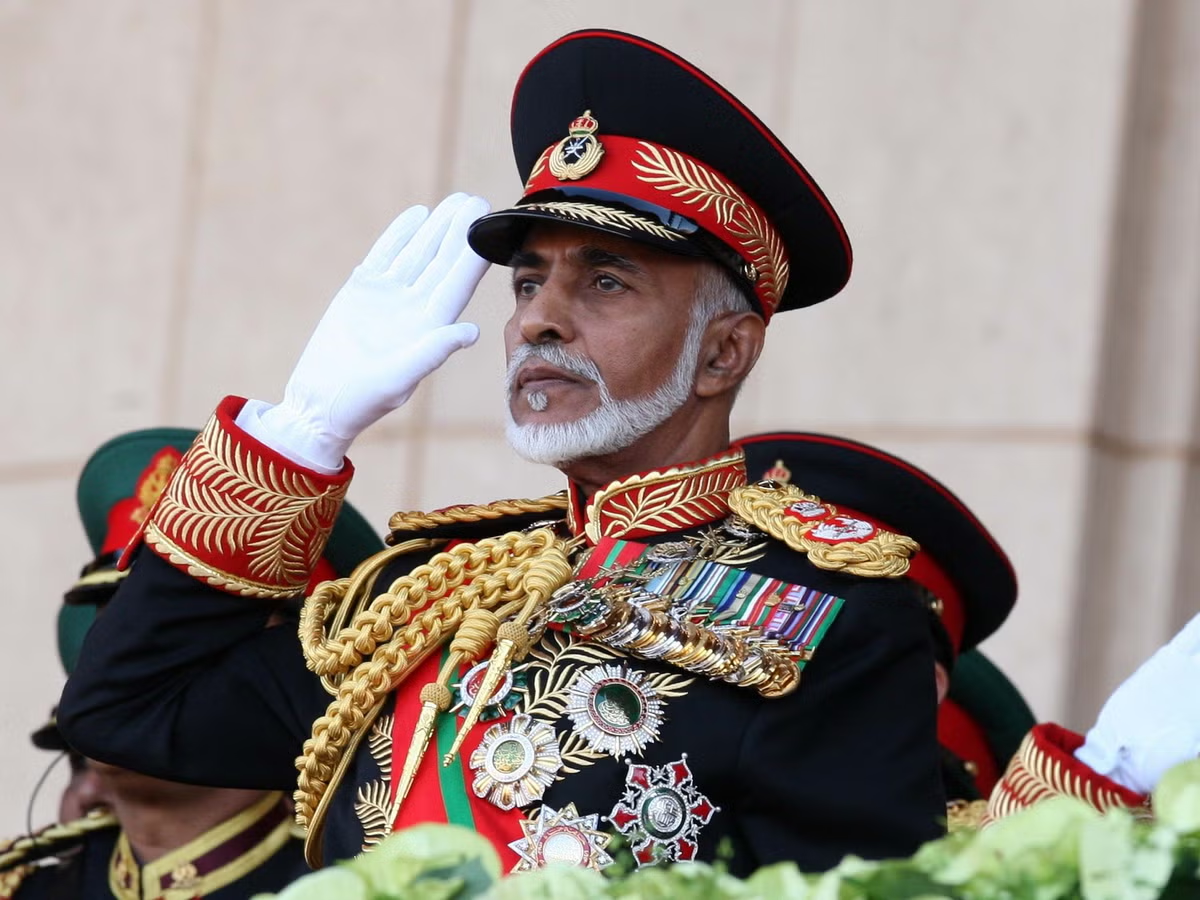
justjlm.org – Sultan Qaboos bin Said Al Said, who ruled Oman from 1970 until his passing in 2020, is one of the most transformative figures in the history of the Arabian Peninsula. His reign, which spanned five decades, was marked by a series of remarkable changes that propelled Oman from an isolated, underdeveloped nation to a modern and prosperous state. Sultan Qaboos’s leadership style, diplomatic prowess, and commitment to peace made him one of the most respected rulers in the Arab world.

Early Life and Rise to Power

Sultan Qaboos was born on November 18, 1940, in Salalah, Oman, as the son of Sultan Said bin Taimur, the conservative ruler of Oman. Qaboos was educated in India, at the prestigious Aiglon College in Switzerland, and later in the United Kingdom at the Royal Military Academy Sandhurst. His education abroad exposed him to modern ideas and Western governance, shaping his vision for Oman’s future.

In 1970, at the age of 29, Qaboos ascended to the throne after a palace coup that deposed his father, Sultan Said bin Taimur. The coup was partly a response to his father’s isolationist policies, which had left Oman underdeveloped and politically unstable. Sultan Qaboos was quickly recognized as a progressive leader determined to modernize Oman and integrate it into the international community.

Transforming Oman: A Vision for Modernization

Sultan Qaboos inherited a country that was isolated, poor, and underdeveloped, with limited infrastructure, education, and healthcare. Oman’s economy was largely dependent on agriculture, and its rural areas were plagued by poverty and a lack of access to basic services. The country also faced internal conflict, including the Dhofar Rebellion, which was fueled by dissatisfaction with the previous regime’s policies.

One of Qaboos’s first priorities as Sultan was to end the rebellion, which he did with military support, aided by British forces. He then turned his attention to the nation’s internal development, embarking on a sweeping campaign to modernize Oman.

Economic Modernization

Qaboos used Oman’s newfound oil wealth to fuel the country’s transformation. He oversaw the construction of a modern infrastructure network, including roads, airports, ports, and telecommunications. The Sultan’s leadership helped diversify the economy, reducing Oman’s reliance on oil exports and promoting agriculture, fisheries, tourism, and manufacturing.

The establishment of the Oman Development Bank, the Oman Investment Fund, and a series of infrastructure projects were key components of his economic vision. Under his leadership, Oman experienced significant economic growth, which raised the standard of living and provided opportunities for his people.

Education and Healthcare

Sultan Qaboos was also deeply committed to improving Oman’s education and healthcare systems. He established a modern education system, providing free public education at all levels and promoting higher education. The Sultan’s government established schools and universities, including Sultan Qaboos University, which became a leading institution of higher learning in the region.

In healthcare, Qaboos’s government built a nationwide network of hospitals and clinics, significantly improving life expectancy and access to medical care. His reforms in these areas were instrumental in raising the quality of life for Omanis, particularly in rural regions.

Social Development and Women’s Rights

Sultan Qaboos’s reign saw significant improvements in women’s rights and social development. He promoted gender equality in education, employment, and politics, giving women more opportunities to participate in the workforce and public life. Women in Oman were granted the right to vote and run for office in the 1990s, long before many other countries in the region took similar steps.

Sultan Qaboos also promoted a policy of tolerance and inclusivity, encouraging the peaceful coexistence of different religious and cultural groups within Oman. The country became known for its pluralistic society, where Omanis, expatriates, and foreign nationals lived harmoniously together.

Diplomacy and Regional Influence

Sultan Qaboos was highly regarded for his diplomatic acumen. He pursued a policy of neutrality and non-interference, seeking to position Oman as a mediator in regional conflicts. Unlike many other Gulf states, Oman maintained friendly relations with countries across the political spectrum, including Iran, the United States, and neighboring Arab countries.

His diplomatic efforts played a crucial role in resolving regional conflicts and mediating peace deals. Oman’s role in hosting backchannel negotiations during the Iran nuclear deal in the 2010s, for example, highlighted Sultan Qaboos’s influence as a neutral and respected mediator.

Legacy of Peace and Stability

One of the defining features of Sultan Qaboos’s reign was his commitment to peace and stability, both within Oman and across the region. His vision of Oman as a neutral, independent nation with no desire to involve itself in regional power struggles helped preserve the country’s sovereignty and security.

Under his leadership, Oman remained free from the instability and conflict that affected much of the Middle East, positioning itself as a beacon of stability in an often volatile region. Sultan Qaboos’s foreign policy was characterized by moderation, and his ability to build relationships with a wide range of countries helped ensure Oman’s success in the global arena.

Passing and Succession

Sultan Qaboos passed away on January 10, 2020, after a prolonged battle with cancer. His death marked the end of a remarkable era for Oman, as he had ruled the country for nearly 50 years. His successor, Sultan Haitham bin Tariq Al Said, a cousin of Qaboos, was chosen by the royal family, following the Sultan’s secret will, ensuring a smooth transition of power.

Sultan Qaboos’s legacy lives on in the many institutions, policies, and reforms he established during his reign. He is remembered as the architect of modern Oman—an enlightened ruler who transformed his country into a prosperous, stable, and respected member of the international community. His contributions to Oman’s development, peace efforts, and social reforms will continue to influence the country for generations to come.

Kendall Jenner: A Modern Icon in Fashion and Media

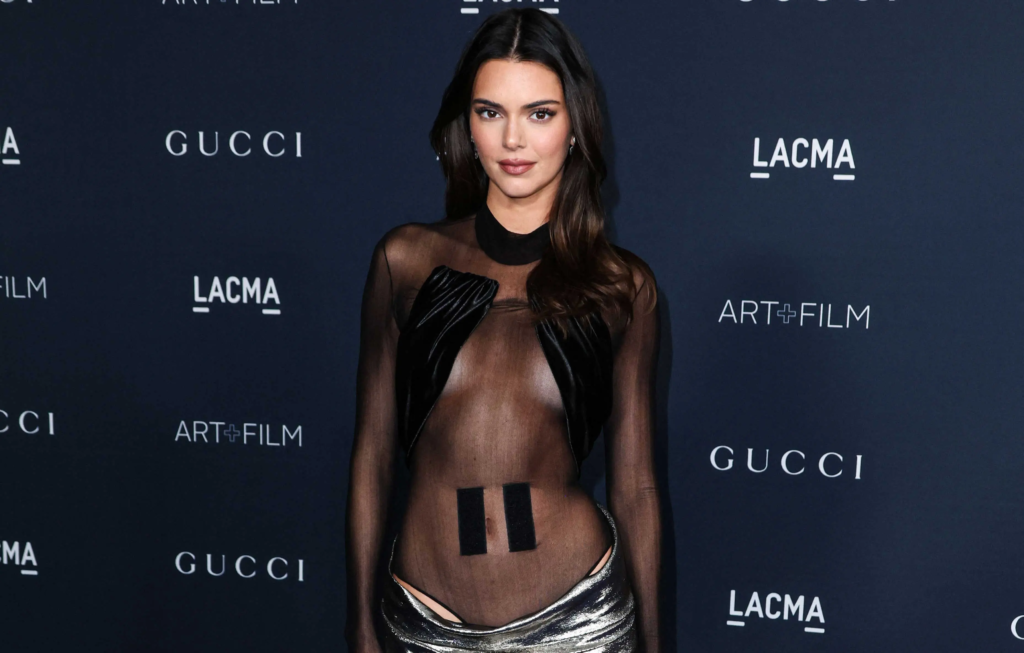
justjlm.org – Kendall Jenner has emerged as one of the most influential figures in the fashion industry and media landscape. With her striking looks and innate sense of style, she has captivated audiences worldwide. This article explores the journey of Kendall Jenner, her rise to fame, and her impact on the fashion world, while also touching on her connection to Caitlyn Jenner, her father, and a prominent figure in her life.

Early Life and Introduction to Fame

Born on November 3, 1995, in Los Angeles, California, Kendall Nicole Jenner is the daughter of Kris Jenner and Caitlyn Jenner, formerly known as Bruce Jenner, an Olympic gold medalist. Growing up in the spotlight as part of the Kardashian-Jenner family, Kendall was introduced to fame at an early age through the family’s reality TV show, “Keeping Up with the Kardashians.”

Rise in the Fashion Industry

Kendall’s entry into the fashion world began in her teens, and she quickly rose to prominence due to her unique blend of elegance and relatability. Her breakout moment came when she walked the runway for major fashion houses like Marc Jacobs, Chanel, and Givenchy. Known for her versatility and professionalism, Kendall has become a sought-after model, gracing the covers of prestigious magazines like Vogue and Harper’s Bazaar.

Her collaboration with major brands, including Estée Lauder and Calvin Klein, cemented her status as a fashion icon. Kendall’s ability to balance her high-fashion career with a relatable social media presence has made her a favorite among both luxury brands and millions of fans worldwide.

Connection to Caitlyn Jenner

Kendall shares a close bond with her father, Caitlyn Jenner, who publicly came out as transgender in 2015. Caitlyn’s transition was a significant moment for the Jenner family and was met with both support and public scrutiny. Kendall has expressed her support for Caitlyn, showcasing her love and respect for her father’s journey.

Caitlyn’s influence on Kendall extends beyond their personal relationship, as she has been a source of inspiration and strength. Kendall’s openness about her family’s dynamics and her role as an advocate for the LGBTQ+ community highlight the positive impact of Caitlyn’s journey on her life.

Impact and Influence

Kendall Jenner’s influence extends beyond the runway. As a social media powerhouse, she connects with millions of followers, sharing her experiences, fashion insights, and personal moments. Her ability to navigate the pressures of fame while maintaining authenticity has earned her respect and admiration.

Kendall’s involvement in various charitable endeavors, including supporting initiatives for mental health awareness, showcases her commitment to using her platform for positive change. Her advocacy for issues such as body positivity and self-acceptance reflects her desire to inspire and empower others.

Conclusion

Kendall Jenner’s evolution from reality TV star to fashion icon is a testament to her talent, determination, and resilience. Her connection to Caitlyn Jenner adds a poignant dimension to her story, highlighting the importance of family support and acceptance. As Kendall continues to make waves in the fashion industry and beyond, her influence and legacy as a modern icon remain undeniable.

Tunisia’s Economic Journey: Independence – Modern Challenges

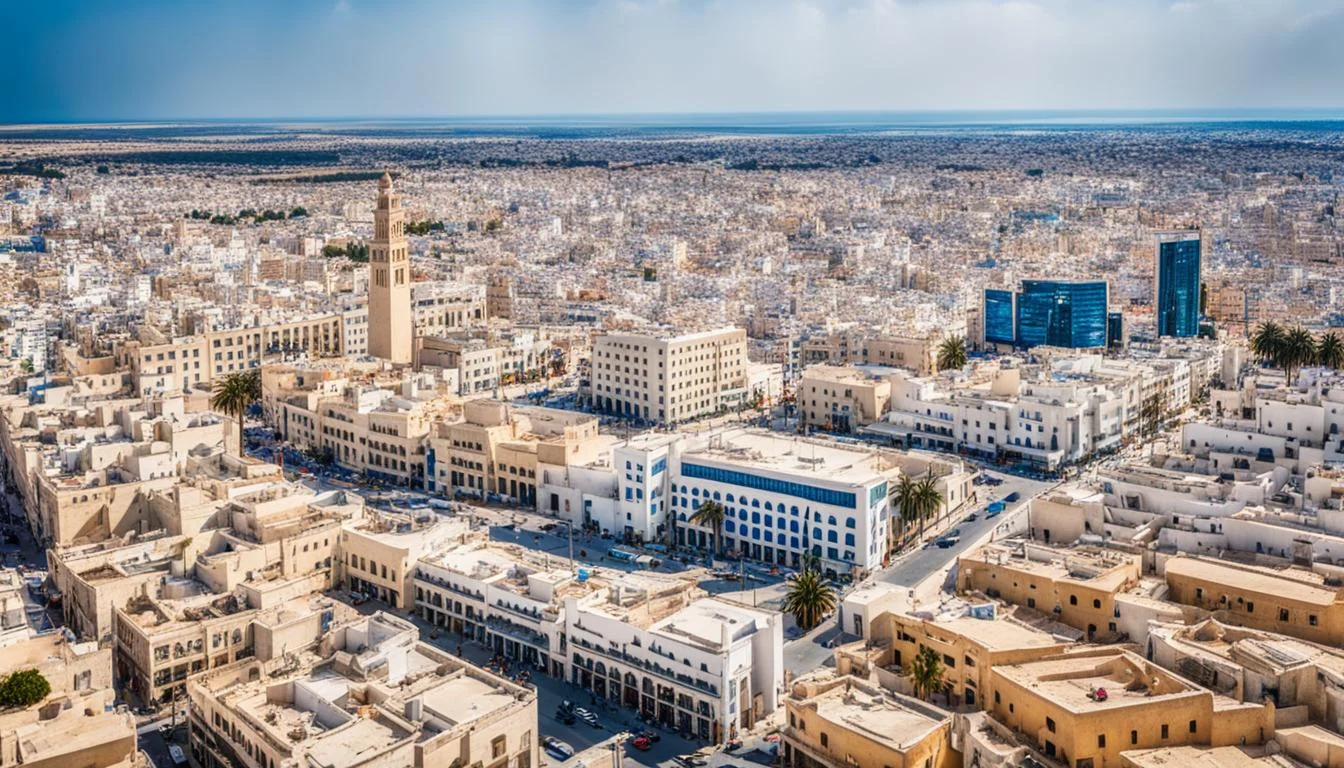
justjlm.org – Since gaining independence from France in 1956, Tunisia has embarked on a complex economic journey marked by periods of growth, reform, and challenge. The country’s economic trajectory reflects its broader political and social developments, as it has sought to establish itself as a modern, competitive nation within the global economy. Today, Tunisia faces a series of economic challenges that test its resilience and adaptability in an ever-changing world.

The Early Years of Independence: Building a New Economy

In the early years following independence, Tunisia’s economy was predominantly agrarian, with a significant portion of the population engaged in farming. The government, under President Habib Bourguiba, initiated a series of reforms aimed at modernizing the economy and improving living standards. These reforms included land redistribution, the establishment of state-owned enterprises, and investments in education and infrastructure.

Economic Liberalization and Structural Adjustment

The 1980s and 1990s saw Tunisia embark on a path of economic liberalization, driven by the need to attract foreign investment and integrate into the global economy. The government implemented structural adjustment programs, privatized state-owned enterprises, and opened up the economy to foreign trade. These reforms led to economic growth and improvements in key sectors such as tourism, manufacturing, and services.

The Impact of the Jasmine Revolution

The Jasmine Revolution of 2010-2011, which led to the ousting of President Zine El Abidine Ben Ali, had profound economic implications. The political turmoil resulted in a decline in foreign investment, particularly in the tourism sector, which is a major source of revenue for Tunisia. The transition to democracy also brought new economic challenges, as the government sought to address social inequalities and create jobs for a growing population.

Modern Challenges: Navigating Economic Uncertainties

Today, Tunisia’s economy faces several challenges, including high unemployment rates, particularly among the youth, a large informal sector, and regional disparities in development. The country also grapples with external economic pressures, such as fluctuations in global oil prices and competition in the textile and tourism markets. Additionally, Tunisia’s public debt has increased, necessitating careful management of public finances.

Economic Reforms and the Path Forward

In response to these challenges, the Tunisian government has implemented a series of economic reforms aimed at stimulating growth, creating jobs, and improving competitiveness. These reforms include measures to attract foreign direct investment, support small and medium-sized enterprises, and develop key sectors such as renewable energy and digital technology. The government is also focused on improving the business environment and enhancing regional development to address disparities.

Conclusion

Tunisia’s economic journey since independence has been marked by significant achievements and challenges. From the early reforms aimed at modernizing the economy to the recent efforts to navigate global economic uncertainties, Tunisia has demonstrated resilience and a commitment to progress. As the country continues to evolve, the successful implementation of economic reforms and the ability to adapt to changing global dynamics will be crucial in securing a prosperous future for Tunisia and its people.

History of Sea Games: Ancient Traditions, Modern Competitions

justjlm.org – The history of sea games is deeply rooted in the maritime traditions of ancient civilizations. These early forms of aquatic competitions were not only a testament to human adaptation with water but also a celebration of survival skills and naval prowess. The ancient Greeks, for instance, had a rich tradition of naval games, which were often a part of their religious festivals. The Romans, too, had their version of naval games, known as Naumachiae, which were grand spectacles held in artificial lakes, showcasing mock sea battles and naval skills.

The Evolution of Sea Games in the Middle Ages

As civilizations evolved, so did the nature of sea games. During the Middle Ages, sea games took on a more practical aspect, focusing on the development of naval tactics and seamanship. The Venetians, for example, celebrated the marriage of the sea with an annual ceremony that included a regatta, symbolizing their dominance in maritime trade and naval power. These events were not only a display of skill but also a means of fostering unity among sailors and the community.

The Rise of Modern Sea Games

The 19th and 20th centuries saw a significant transformation in sea games, with the advent of modern sports and the establishment of international competitions. The first modern Olympic Games in 1896 included swimming as an event, marking the beginning of a new era for aquatic sports. Over the years, various disciplines such as rowing, sailing, and water polo were introduced, reflecting the growing interest in competitive sea games.

The Southeast Asian Games: A Regional Celebration

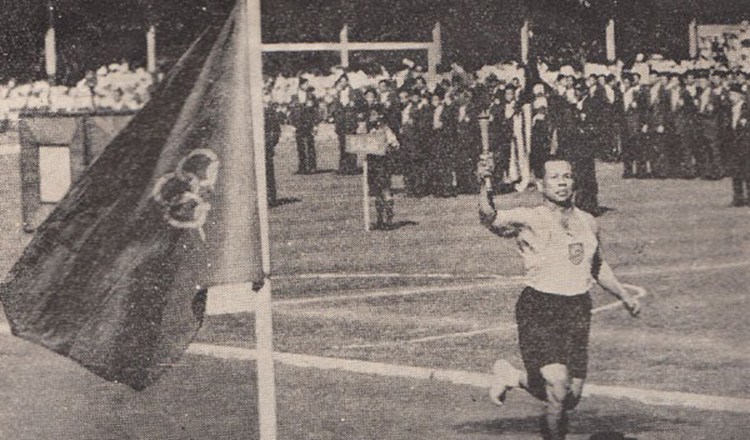
One of the most notable modern iterations of sea games is the Southeast Asian Games, which includes a variety of aquatic sports. This biennial event brings together nations from Southeast Asia to compete in a range of disciplines, both on land and at sea. The inclusion of sea games in such a prestigious event underscores the enduring appeal and significance of maritime competitions in the region.

The Future of Sea Games

As we look to the future, the evolution of sea games continues. With advancements in technology and a growing awareness of environmental issues, there is a renewed focus on sustainability and innovation in sea games. From eco-friendly boat designs to the development of new aquatic sports, the future of sea games promises to be as dynamic and exciting as its rich history.

Conclusion

The history of sea games is a fascinating journey that spans millennia, from ancient naval traditions to modern competitive sports. It reflects humanity’s deep connection with the sea and our enduring fascination with mastering the waves. Whether as a form of religious ritual, a display of naval might, or a competitive sport, sea games have always been a celebration of human resilience, skill, and unity. As we continue to explore and compete on the world’s oceans, the legacy of sea games will undoubtedly inspire new generations to come.