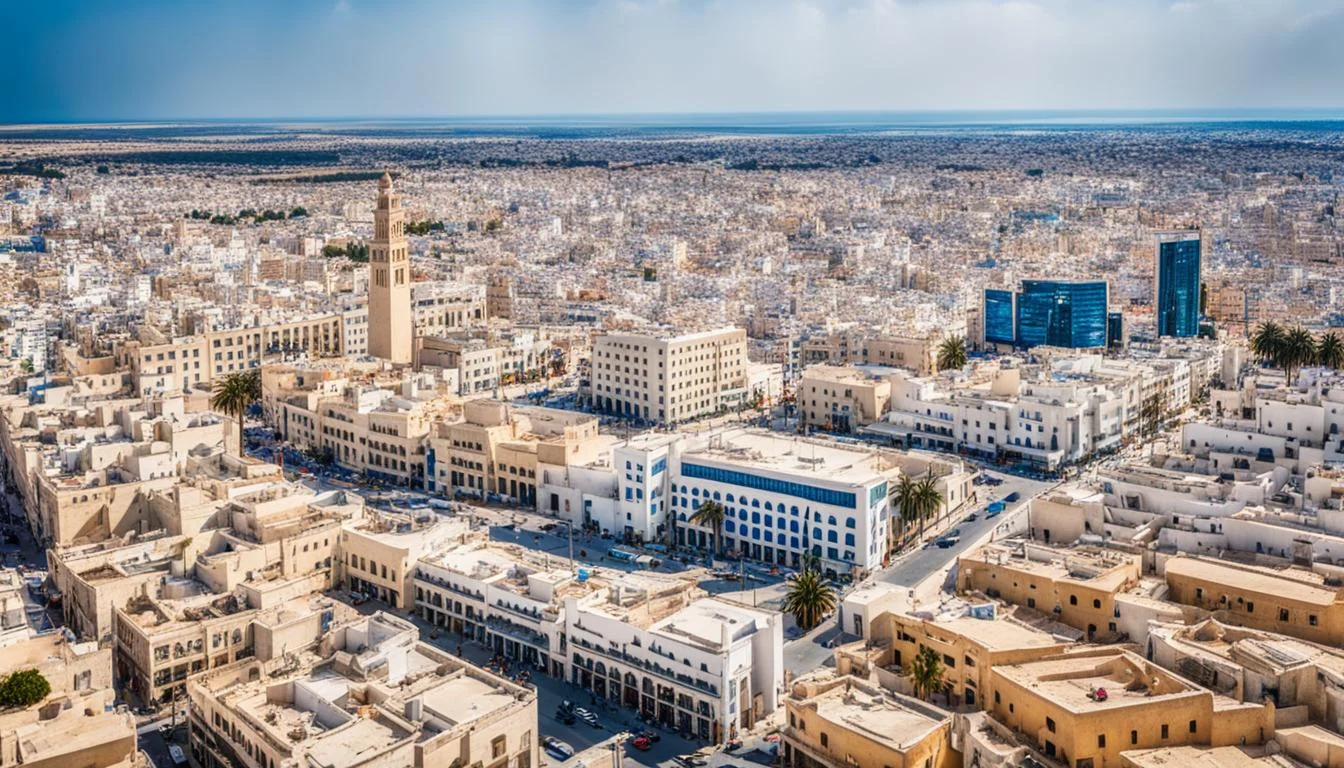
Tunisia’s Economic Journey: Independence – Modern Challenges

justjlm.org – Since gaining independence from France in 1956, Tunisia has embarked on a complex economic journey marked by periods of growth, reform, and challenge. The country’s economic trajectory reflects its broader political and social developments, as it has sought to establish itself as a modern, competitive nation within the global economy. Today, Tunisia faces a series of economic challenges that test its resilience and adaptability in an ever-changing world.

The Early Years of Independence: Building a New Economy

In the early years following independence, Tunisia’s economy was predominantly agrarian, with a significant portion of the population engaged in farming. The government, under President Habib Bourguiba, initiated a series of reforms aimed at modernizing the economy and improving living standards. These reforms included land redistribution, the establishment of state-owned enterprises, and investments in education and infrastructure.

Economic Liberalization and Structural Adjustment

The 1980s and 1990s saw Tunisia embark on a path of economic liberalization, driven by the need to attract foreign investment and integrate into the global economy. The government implemented structural adjustment programs, privatized state-owned enterprises, and opened up the economy to foreign trade. These reforms led to economic growth and improvements in key sectors such as tourism, manufacturing, and services.

The Impact of the Jasmine Revolution

The Jasmine Revolution of 2010-2011, which led to the ousting of President Zine El Abidine Ben Ali, had profound economic implications. The political turmoil resulted in a decline in foreign investment, particularly in the tourism sector, which is a major source of revenue for Tunisia. The transition to democracy also brought new economic challenges, as the government sought to address social inequalities and create jobs for a growing population.

Modern Challenges: Navigating Economic Uncertainties

Today, Tunisia’s economy faces several challenges, including high unemployment rates, particularly among the youth, a large informal sector, and regional disparities in development. The country also grapples with external economic pressures, such as fluctuations in global oil prices and competition in the textile and tourism markets. Additionally, Tunisia’s public debt has increased, necessitating careful management of public finances.

Economic Reforms and the Path Forward

In response to these challenges, the Tunisian government has implemented a series of economic reforms aimed at stimulating growth, creating jobs, and improving competitiveness. These reforms include measures to attract foreign direct investment, support small and medium-sized enterprises, and develop key sectors such as renewable energy and digital technology. The government is also focused on improving the business environment and enhancing regional development to address disparities.

Conclusion

Tunisia’s economic journey since independence has been marked by significant achievements and challenges. From the early reforms aimed at modernizing the economy to the recent efforts to navigate global economic uncertainties, Tunisia has demonstrated resilience and a commitment to progress. As the country continues to evolve, the successful implementation of economic reforms and the ability to adapt to changing global dynamics will be crucial in securing a prosperous future for Tunisia and its people.


Transformation and Growth: Vietnam’s Economic Miracle

justjlm.org – Vietnam’s economic journey from one of the world’s poorest countries to a booming economy with a growing middle class is a remarkable story of transformation and growth. This narrative is often referred to as an “economic miracle,” highlighting the country’s rapid and sustained economic development over the past few decades.

The Foundations of Growth

The roots of Vietnam’s economic miracle can be traced back to the late 20th century when the country embarked on a series of economic reforms. These reforms, which included the Doi Moi policy of 1986, marked a significant shift towards a market-oriented economy. The reforms were supported by structural transformations, particularly the shift from agriculture to a modern economy based on foreign direct investment (FDI)-led manufacturing.

Key Factors in Economic Growth

Several key factors have contributed to Vietnam’s economic miracle. These include:

  1. Trade Liberalization: Vietnam’s integration into the global economy through trade agreements and liberalization policies has been crucial. This has facilitated increased exports and access to international markets.
  2. Domestic Reforms: The country’s commitment to domestic reforms, such as improving the business environment and enhancing the regulatory framework, has been instrumental in attracting foreign investment and fostering a competitive market.
  3. Investment in Infrastructure: Significant investments in infrastructure have supported economic growth by improving connectivity and access to markets, both domestically and internationally.
  4. Human Capital Development: Vietnam has focused on improving its human capital through education and training, which has been essential for the development of a skilled workforce capable of supporting the modern economy.

Challenges and the Path Forward

While Vietnam’s economic growth has been impressive, the country faces several challenges that need to be addressed to sustain its growth trajectory. These include:

  • Bottlenecks in the Regulatory Framework: There is a need for increased transparency and efficiency in the regulatory environment to further stimulate economic growth.
  • Global Economic Uncertainties: The global economic environment can pose risks, and Vietnam needs to be prepared to navigate these challenges effectively.
  • Sustainability and Inclusivity: Ensuring that growth is sustainable and inclusive is crucial. Vietnam must continue to work towards achieving the Sustainable Development Goals (SDGs) to address social and environmental issues.

Conclusion

Vietnam’s economic miracle is a testament to the country’s ability to transform itself from a state of poverty to a position of economic strength. The journey is not over, and Vietnam must continue to address the challenges it faces to ensure that its growth remains robust and sustainable. The lessons learned from Vietnam’s success story can provide valuable insights for other developing countries aiming to achieve similar economic transformations.

Kenya’s Economic Rise: Seizing Opportunities

justjlm.org – Kenya’s economic landscape is a complex tapestry of challenges and opportunities, reflecting the country’s position at the forefront of African economic development. Despite significant hurdles, Kenya has shown resilience and growth, positioning itself as a key player in the region’s economic landscape.

Economic Growth and Resilience

Kenya’s economy has demonstrated considerable resilience, particularly in the face of global uncertainties and domestic shocks. The World Bank projects a 5% growth rate for Kenya’s economy in 2024, a testament to its recovery from the COVID-19 pandemic and other global crises. This growth is supported by a diversified economic structure, which includes significant contributions from the services, agriculture, and manufacturing sectors.

Challenges Facing Kenya’s Economy

Despite its growth trajectory, Kenya continues to face significant challenges that impede sustainable economic development. Key among these are large infrastructure gaps, which hinder growth and job creation. Additionally, the economy is still grappling with issues of poverty, inequality, and youth unemployment, which are exacerbated by global shocks such as the COVID-19 pandemic and the war in Ukraine.

Opportunities for Economic Diversification

Kenya’s economic diversification efforts are crucial for sustaining growth and reducing vulnerabilities. The country has made strides in leveraging its natural resources and expanding its manufacturing sector, which are vital for economic diversification and job creation. Moreover, Kenya’s strategic location and its role in regional trade offer significant opportunities for foreign investment, which can further stimulate economic growth.

Conclusion

Kenya’s economic rise is a story of resilience and opportunity amidst significant challenges. By addressing its infrastructure gaps and leveraging its natural resources and strategic location, Kenya can continue to grow and diversify its economy. The key to Kenya’s future economic success lies in its ability to navigate these challenges effectively and seize the opportunities that lie ahead.