
Creating Lasting Memories: The Importance of Family Traditions

justjlm.org – In the ever-evolving tapestry of life, family traditions stand as threads of continuity, weaving generations together and creating a fabric of shared experiences. These rituals, whether they are annual celebrations, weekly dinners, or daily bedtime stories, are more than just routine activities; they are the building blocks of lasting memories and the cornerstones of family identity.

The Binding Power of Traditions

At its core, a family tradition is a practice or custom that is passed down through generations. It can be as simple as a particular way of decorating the Christmas tree or as complex as an annual family reunion. What makes these traditions so powerful is their ability to foster a sense of belonging and continuity. They provide a shared language and a collective history, allowing family members to connect across time and space.

Creating a Sense of Identity

Family traditions play a crucial role in the development of individual and collective identity. They help family members understand their roots and the values that have been passed down through the generations. Whether it’s a cultural heritage celebrated through food, music, or storytelling, or a personal family value like kindness or resilience, traditions are a tangible way to express and reinforce these aspects of identity.

The Role of Traditions in Building Resilience

In times of change or challenge, family traditions can be a source of comfort and strength. They offer a sense of normalcy and stability in the face of uncertainty. For children, the predictability of family rituals can provide a sense of security and safety. For adults, they can be a reminder of the enduring bonds that support them through life’s ups and downs.

Making Memories That Last

One of the most precious gifts of family traditions is the creation of lasting memories. These memories are not just fleeting moments; they are the stories that are retold, the photographs that are cherished, and the emotions that are relived. They become the legacy that is passed down, shaping the family narrative and influencing future generations.

Cultivating Traditions in Modern Life

In our fast-paced, technology-driven world, it’s more important than ever to carve out time for family traditions. This may require intentional effort to disconnect from digital devices and reconnect with loved ones. It may also mean adapting traditions to fit the realities of modern life, such as virtual gatherings for families spread across the globe.

Conclusion

The importance of family traditions cannot be overstated. They are the glue that holds families together, the roots that ground us, and the wings that allow us to soar together. By nurturing these traditions, we create a rich tapestry of memories that not only define us but also inspire and sustain us for generations to come.
History of Sea Games: Ancient Traditions, Modern Competitions

justjlm.org – The history of sea games is deeply rooted in the maritime traditions of ancient civilizations. These early forms of aquatic competitions were not only a testament to human adaptation with water but also a celebration of survival skills and naval prowess. The ancient Greeks, for instance, had a rich tradition of naval games, which were often a part of their religious festivals. The Romans, too, had their version of naval games, known as Naumachiae, which were grand spectacles held in artificial lakes, showcasing mock sea battles and naval skills.

The Evolution of Sea Games in the Middle Ages

As civilizations evolved, so did the nature of sea games. During the Middle Ages, sea games took on a more practical aspect, focusing on the development of naval tactics and seamanship. The Venetians, for example, celebrated the marriage of the sea with an annual ceremony that included a regatta, symbolizing their dominance in maritime trade and naval power. These events were not only a display of skill but also a means of fostering unity among sailors and the community.

The Rise of Modern Sea Games

The 19th and 20th centuries saw a significant transformation in sea games, with the advent of modern sports and the establishment of international competitions. The first modern Olympic Games in 1896 included swimming as an event, marking the beginning of a new era for aquatic sports. Over the years, various disciplines such as rowing, sailing, and water polo were introduced, reflecting the growing interest in competitive sea games.

The Southeast Asian Games: A Regional Celebration

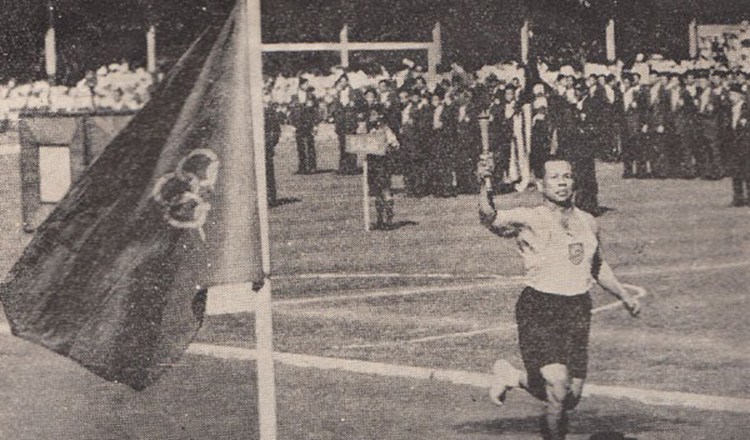
One of the most notable modern iterations of sea games is the Southeast Asian Games, which includes a variety of aquatic sports. This biennial event brings together nations from Southeast Asia to compete in a range of disciplines, both on land and at sea. The inclusion of sea games in such a prestigious event underscores the enduring appeal and significance of maritime competitions in the region.

The Future of Sea Games

As we look to the future, the evolution of sea games continues. With advancements in technology and a growing awareness of environmental issues, there is a renewed focus on sustainability and innovation in sea games. From eco-friendly boat designs to the development of new aquatic sports, the future of sea games promises to be as dynamic and exciting as its rich history.

Conclusion

The history of sea games is a fascinating journey that spans millennia, from ancient naval traditions to modern competitive sports. It reflects humanity’s deep connection with the sea and our enduring fascination with mastering the waves. Whether as a form of religious ritual, a display of naval might, or a competitive sport, sea games have always been a celebration of human resilience, skill, and unity. As we continue to explore and compete on the world’s oceans, the legacy of sea games will undoubtedly inspire new generations to come.