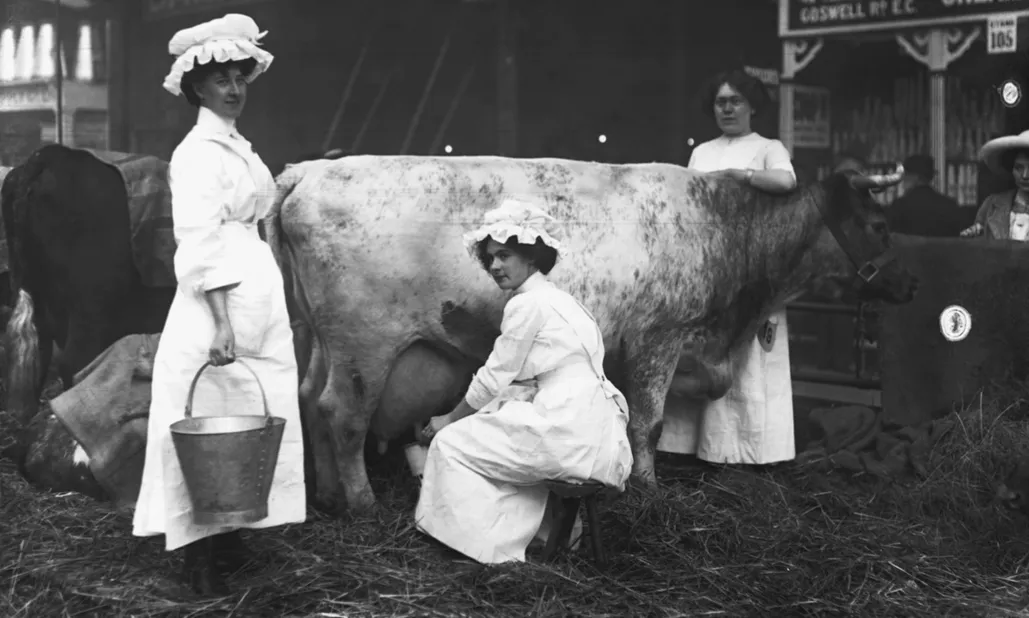
A Journey Through Milk History: The Creamy Chronicles

justjlm.org – Milk, often referred to as liquid gold, has been a cornerstone of human nutrition for millennia. Its journey from a simple animal byproduct to a global commodity is a testament to its versatility and importance. “The Creamy Chronicles” delves into the rich history of milk, exploring its role in various cultures, its nutritional significance, and the technological advancements that have shaped its production and consumption.

The Dawn of Dairying

The story of milk begins around 9000 BCE with the domestication of animals. The first evidence of dairying comes from the remains of pottery vessels in the Near East, suggesting that early farmers were processing milk. This innovation was a game-changer, providing a stable source of nutrition that could sustain populations through harsh winters and famines.

Milk in Ancient Civilizations

In ancient civilizations, milk was more than just a dietary staple; it was often imbued with cultural and religious significance. The Egyptians, for example, used milk in their embalming processes and as an offering to their gods. The Greeks and Romans celebrated milk as a symbol of purity and strength, with athletes consuming it to enhance their performance.

The Spread of Dairy Farming

As civilizations expanded, so did the practice of dairy farming. The Vikings were instrumental in spreading dairy farming across Europe, introducing new breeds of cattle and innovative farming techniques. The spread of the British Empire further popularized milk consumption worldwide, with dairy farming being introduced to the colonies.

Industrial Revolution and Milk Production

The Industrial Revolution brought about significant changes in milk production and consumption. Urbanization led to a demand for milk that could not be met by local farms, prompting the development of commercial dairy farms and the introduction of pasteurization to ensure milk safety.

The 20th Century: Milk Becomes a Global Commodity

The 20th century saw milk become a global commodity, with advancements in refrigeration and transportation making it accessible to people around the world. The introduction of milk powder and UHT (Ultra-High Temperature) processing extended its shelf life, making it a staple in both developed and developing countries.

Nutritional Importance of Milk

Milk is celebrated for its nutritional value, being an excellent source of calcium, vitamin D, and protein. It plays a crucial role in the development of strong bones and teeth, making it an essential part of a balanced diet, especially for children and the elderly.

The Future of Milk

As we look to the future, the dairy industry faces challenges such as sustainability, animal welfare, and the rise of plant-based alternatives. Innovations like lab-grown milk and plant-based milks that mimic the nutritional profile of dairy milk are paving the way for a more inclusive and sustainable dairy industry.

Conclusion

“The Creamy Chronicles” is a testament to the enduring legacy of milk. From its humble beginnings as a byproduct of animal domestication to its status as a global commodity, milk has been an integral part of human civilization. As we continue to innovate and adapt, the story of milk promises to be as rich and varied as the cultures it has nourished.

Tales from the Inside: The Cell Block Chronicles

justjlm.org – The walls of a prison are not just barriers to the outside world; they are the confines within which countless stories unfold. “The Cell Block Chronicles: Tales from the Inside” is a collection of narratives that delves deep into the lives of those who have spent time behind bars, offering a glimpse into the human experience within the often-overlooked corners of society. This article explores the themes, stories, and lessons from the chronicles, shedding light on the complexities of incarceration and the resilience of the human spirit.

The Human Face of Incarceration:
“The Cell Block Chronicles” begins by peeling back the layers of anonymity that often shroud those in prison. Through the voices of inmates, correctional officers, and prison staff, the book paints a vivid picture of life inside a cell block. It explores the daily routines, the hierarchy among inmates, and the psychological impact of confinement. The stories reveal the diverse backgrounds of the incarcerated, from first-time offenders to lifers, each with their own reasons for being behind bars and their unique ways of coping with their circumstances.

Survival and Adaptation:
One of the recurring themes in the chronicles is the concept of survival. The book details the strategies inmates use to navigate the prison environment, from forming alliances and maintaining a low profile to engaging in the informal economy that thrives within the walls. It also examines the role of violence and the constant negotiation of power dynamics. The tales of adaptation highlight the ingenuity and resilience of the human spirit, even in the most restrictive settings.

Redemption and Reformation:
Not all stories within the cell block are bleak. “The Cell Block Chronicles” also features accounts of redemption and reformation. It tells the stories of inmates who have used their time in prison to better themselves, whether through education, rehabilitation programs, or personal introspection. These narratives offer hope and a testament to the possibility of change, even in the most unlikely of places.

The Impact on Families and Communities:
The book doesn’t just focus on life inside the prison; it also explores the ripple effects of incarceration on families and communities. Through the voices of loved ones left behind, the chronicles reveal the emotional and economic toll that imprisonment takes on those outside the walls. It discusses the challenges of maintaining relationships, the stigma of having a family member incarcerated, and the difficulties of reintegration upon release.

Conclusion:
“The Cell Block Chronicles: Tales from the Inside” is more than just a collection of stories; it is a reflection on the human condition and the societal implications of incarceration. By giving voice to those often silenced by the system, the book challenges readers to reconsider their perceptions of prison and those who inhabit it. It serves as a powerful reminder that behind every cell block, there are individuals with their own histories, struggles, and potential for growth. As society continues to grapple with issues of justice and reform, the lessons from these tales are more relevant than ever, urging us to look beyond the bars and see the people within.