
The Admiral: Roaring Currents (2014) – Courage & Resilience

justjlm.org – “The Admiral: Roaring Currents” (Korean: 명량), released in 2014, is a South Korean historical action-war film directed by Kim Han-min. The film is based on the true story of the Battle of Myeongryang, a pivotal naval engagement during the Imjin War (1592-1598) between Korea and Japan. This epic battle saw Admiral Yi Sun-sin, commanding a mere 13 ships, achieve a miraculous victory against a formidable Japanese fleet of over 330 vessels.

The Battle of Myeongryang: A Historical Turning Point

The Battle of Myeongryang, fought in 1597, took place in the narrow Myeongryang Strait, known for its treacherous currents and unpredictable tides. Admiral Yi Sun-sin, renowned for his strategic brilliance and innovative naval tactics, devised a daring plan to exploit the natural advantages of the strait. Using the “crane wing” formation and the powerful “geobukseon” turtle ships, he lured the larger Japanese fleet into a deadly trap, inflicting devastating losses on the enemy.

A Cinematic Masterpiece

“The Admiral: Roaring Currents” masterfully recreates the intensity and drama of the historical battle. The film boasts stunning visuals, showcasing the ferocity of naval combat and the breathtaking beauty of the Korean landscape. The special effects, particularly the depiction of the powerful currents and the destructive force of the turtle ships, are particularly impressive.

Choi Min-sik’s Powerful Performance

The film’s success is largely attributed to the powerful performance of Choi Min-sik as Admiral Yi Sun-sin. Choi embodies the legendary admiral’s unwavering resolve, strategic brilliance, and unwavering commitment to his country. His portrayal of Yi Sun-sin’s emotional turmoil, as he grapples with the weight of his responsibilities and the fate of his nation, is both moving and inspiring.

Themes of Courage, Resilience, and Patriotism

“The Admiral: Roaring Currents” is more than just a historical action film. It explores profound themes of courage, resilience, and patriotism. The film highlights the importance of strategic thinking, the power of unity, and the unwavering spirit of the human will in the face of overwhelming odds. It serves as a powerful reminder of the sacrifices made by countless individuals to defend their homeland and inspires viewers to appreciate the value of freedom and independence.

A Box Office Phenomenon

Upon its release, “The Admiral: Roaring Currents” became a box office sensation in South Korea, breaking numerous records and solidifying its place as one of the most successful films in Korean cinema history. The film’s critical acclaim and commercial success have contributed to its international recognition, earning it a place among the most celebrated historical epics of recent times.

Legacy and Impact

“The Admiral: Roaring Currents” has not only captivated audiences worldwide but has also sparked renewed interest in the life and legacy of Admiral Yi Sun-sin. The film has inspired numerous historical documentaries, educational programs, and cultural events, further solidifying Yi Sun-sin’s status as a national hero in South Korea.

Conclusion

“The Admiral: Roaring Currents” is a cinematic masterpiece that seamlessly blends historical accuracy with thrilling action and emotional depth. The film’s portrayal of the Battle of Myeongryang is a testament to the power of human ingenuity and the unwavering spirit of those who fight for their homeland. Through its captivating storytelling and powerful performances, “The Admiral: Roaring Currents” continues to inspire and entertain audiences worldwide, serving as a timeless reminder of the courage, resilience, and unwavering spirit of the human will.

A Co-Evolutionary Tale: Hacking and Cybersecurity

justjlm.org – The relationship between hacking and cybersecurity is a complex and dynamic one, marked by a constant interplay of attack and defense. This co-evolutionary relationship has shaped the modern digital landscape, influencing both the techniques used by hackers and the strategies employed by cybersecurity professionals to protect against them.

The Early Days: From Counterculture to Cybersecurity

The origins of hacking can be traced back to the early days of computing, when the term “hacker” was not synonymous with criminal activity. In the 1960s and 1970s, hacking was more about exploring the limits of technology and finding new ways to use it, often with a rebellious spirit against the status quo. This era saw the birth of phreaking, where individuals exploited telephone systems to make free long-distance calls, using whistles and other devices to manipulate the system.

The Rise of Cybersecurity

As computers became more interconnected, the need for cybersecurity grew. The creation of ARPANET, the precursor to the modern internet, introduced new vulnerabilities that hackers quickly exploited. This period saw the development of the first computer worms and the beginning of the anti-malware industry.

The 1980s and 1990s: A Period of Rapid Evolution

The 1980s and 1990s were pivotal decades in the evolution of hacking and cybersecurity. The widespread adoption of the internet and personal computers brought new challenges and opportunities for both hackers and security professionals. The Computer Fraud and Abuse Act of 1986 was a significant legal response to the growing threat of computer hacking, but it also set the stage for ongoing debates about cybersecurity law.

The Modern Era: Cybersecurity as a Strategic Necessity

Today, cybersecurity is a critical component of national security and economic stability. The rise of the internet of things (IoT), cloud computing, and artificial intelligence has introduced new vectors for attack, necessitating innovative defensive strategies. Cybersecurity professionals now engage in continuous monitoring, threat intelligence, and incident response to protect against sophisticated cyber threats.

The Co-Evolutionary Relationship

The co-evolutionary relationship between hacking and cybersecurity is characterized by a constant cycle of attack and defense. As hackers develop new tools and techniques, cybersecurity professionals respond with new defenses. This dynamic has led to a more sophisticated understanding of cybersecurity, emphasizing the importance of proactive measures and collaboration among different sectors.

Conclusion

The story of hacking and cybersecurity is one of continuous evolution, driven by the interplay between attackers and defenders. As we move further into the digital age, the stakes continue to rise, making cybersecurity a critical field that requires ongoing innovation and vigilance. The co-evolutionary relationship between hacking and cybersecurity will undoubtedly continue to shape the future of digital security.

Tales from the Inside: The Cell Block Chronicles

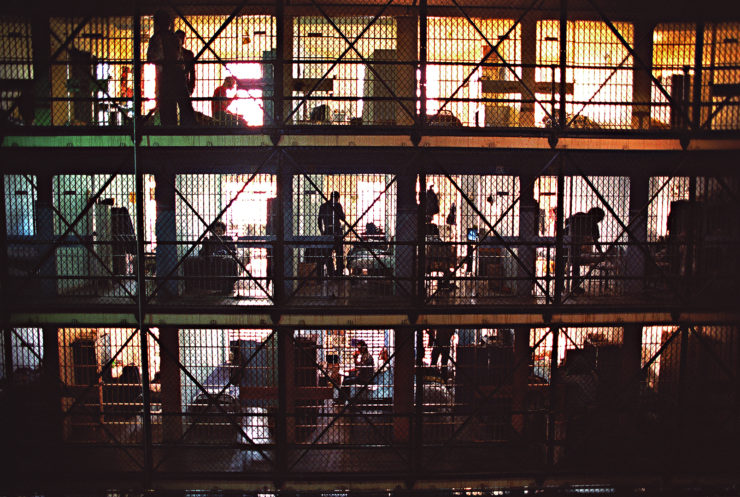
justjlm.org – The walls of a prison are not just barriers to the outside world; they are the confines within which countless stories unfold. “The Cell Block Chronicles: Tales from the Inside” is a collection of narratives that delves deep into the lives of those who have spent time behind bars, offering a glimpse into the human experience within the often-overlooked corners of society. This article explores the themes, stories, and lessons from the chronicles, shedding light on the complexities of incarceration and the resilience of the human spirit.

The Human Face of Incarceration:
“The Cell Block Chronicles” begins by peeling back the layers of anonymity that often shroud those in prison. Through the voices of inmates, correctional officers, and prison staff, the book paints a vivid picture of life inside a cell block. It explores the daily routines, the hierarchy among inmates, and the psychological impact of confinement. The stories reveal the diverse backgrounds of the incarcerated, from first-time offenders to lifers, each with their own reasons for being behind bars and their unique ways of coping with their circumstances.

Survival and Adaptation:
One of the recurring themes in the chronicles is the concept of survival. The book details the strategies inmates use to navigate the prison environment, from forming alliances and maintaining a low profile to engaging in the informal economy that thrives within the walls. It also examines the role of violence and the constant negotiation of power dynamics. The tales of adaptation highlight the ingenuity and resilience of the human spirit, even in the most restrictive settings.

Redemption and Reformation:
Not all stories within the cell block are bleak. “The Cell Block Chronicles” also features accounts of redemption and reformation. It tells the stories of inmates who have used their time in prison to better themselves, whether through education, rehabilitation programs, or personal introspection. These narratives offer hope and a testament to the possibility of change, even in the most unlikely of places.

The Impact on Families and Communities:
The book doesn’t just focus on life inside the prison; it also explores the ripple effects of incarceration on families and communities. Through the voices of loved ones left behind, the chronicles reveal the emotional and economic toll that imprisonment takes on those outside the walls. It discusses the challenges of maintaining relationships, the stigma of having a family member incarcerated, and the difficulties of reintegration upon release.

Conclusion:
“The Cell Block Chronicles: Tales from the Inside” is more than just a collection of stories; it is a reflection on the human condition and the societal implications of incarceration. By giving voice to those often silenced by the system, the book challenges readers to reconsider their perceptions of prison and those who inhabit it. It serves as a powerful reminder that behind every cell block, there are individuals with their own histories, struggles, and potential for growth. As society continues to grapple with issues of justice and reform, the lessons from these tales are more relevant than ever, urging us to look beyond the bars and see the people within.