
Exploring the Enchanting Reed Flute Cave

justjlm.org – The Reed Flute Cave, known as “Ludi Yan” in Chinese, is a natural limestone cave and one of the most stunning tourist attractions in Guilin, Guangxi, China. This cave is renowned for its mesmerizing rock formations, vibrant lighting, and deep historical significance. Visitors from around the world come to witness the otherworldly beauty and explore its ancient depths.

A Natural Wonder

The Reed Flute Cave stretches for about 240 meters and is believed to be over 180 million years old. It gets its name from the lush green reeds growing outside the cave, which can be crafted into melodious flutes. The cave’s interior is a magnificent gallery of stalactites, stalagmites, and columns formed by millennia of mineral deposits. These formations are illuminated by multicolored lighting, creating a breathtaking visual spectacle that evokes a magical, dream-like atmosphere.

Historical Significance

Beyond its natural beauty, Reed Flute Cave holds significant historical and cultural value. It has been a popular tourist attraction for at least 1,200 years, as evidenced by inscriptions found on the walls dating back to the Tang Dynasty (618–907 AD). These inscriptions provide valuable insights into ancient Chinese history and culture, highlighting the cave’s longstanding allure to visitors throughout the centuries.

Inside the Cave

As you enter the cave, you’ll find yourself in a world of intriguing shapes and forms. The imaginative names given to various formations, like “Dragon Pagoda,” “Crystal Palace,” and “Virgin Forest,” add to the cave’s mystical charm. The guided tours often include stories and legends associated with these formations, enhancing the overall experience and providing a deeper understanding of the cave’s significance.

Visitor Experience

The Reed Flute Cave is well-equipped to handle the influx of tourists, offering well-maintained paths and informative displays. The vividly lit interior not only enhances the natural beauty of the formations but also ensures safety for visitors exploring the depths. Photography is encouraged, allowing guests to capture the cave’s enchanting beauty and take a piece of it home.

Conclusion

The Reed Flute Cave is a testament to nature’s artistry and historical richness, making it a must-visit destination for anyone traveling to China. Its awe-inspiring formations and vibrant history offer a unique glimpse into both the natural world and the cultural tapestry of ancient China. Whether you’re an avid traveler, a history enthusiast, or simply someone who appreciates natural beauty, the Reed Flute Cave promises an unforgettable experience.

Journey to the Heart of the Gobi Desert

justjlm.org – The Gobi Desert, a vast and mysterious expanse of land, stretches across northern and northwestern China and into southern Mongolia. Known for its extreme temperatures and unique landscapes, the Gobi Desert is a place of wonder and intrigue. This article explores the journey into the heart of this formidable desert, highlighting its history, geography, and the experiences one can expect when venturing into its vastness.

The Geography and Climate of the Gobi Desert

The Gobi Desert is the fifth-largest desert in the world and the largest in Asia. Unlike typical sandy deserts, the Gobi is mostly comprised of bare rock and compacted gravel plains. Its terrain includes mountains, steppes, and dune landscapes, creating a diverse and rugged environment. The climate is harsh, with temperatures ranging from scorching heat in the summer to frigid cold in the winter. Despite its arid conditions, the Gobi has a unique ecosystem that supports a variety of wildlife, including camels, snow leopards, and the elusive Gobi bear.

Historical Significance

The Gobi Desert has a rich historical backdrop. It was a critical part of the ancient Silk Road, serving as a trade route that connected the East and West. Merchants and travelers braved its harsh conditions, facilitating cultural exchange and the spread of goods, ideas, and technologies. The remnants of ancient cities and relics of bygone eras can still be found, offering a glimpse into the past and the civilizations that once thrived along its routes.

The Journey Begins

Embarking on a journey into the Gobi Desert is both challenging and rewarding. Travelers typically start their expedition from the city of Ulaanbaatar, Mongolia’s capital, before heading south into the desert. The journey can be undertaken by vehicle or on camelback, each method offering a distinct perspective of the landscape. As travelers delve deeper into the desert, they encounter the dramatic changes in scenery, from rolling sand dunes to vast open plains.

The Unique Culture of the Gobi

The Gobi Desert is home to a resilient community of nomadic herders who have adapted to its harsh conditions. These nomads live a traditional lifestyle, moving with their livestock in search of pasture and water. Visitors have the opportunity to engage with this unique culture, experiencing their warm hospitality and learning about their customs and way of life. Staying in a traditional ger, or yurt, provides an authentic experience and a chance to appreciate the simplicity and beauty of nomadic living.

Natural Wonders and Wildlife

Despite its barren appearance, the Gobi Desert is teeming with natural wonders. The Flaming Cliffs, a renowned paleontological site, are famous for the discovery of dinosaur fossils, including the first dinosaur eggs ever found. The Khongoryn Els, also known as the “Singing Dunes,” produce a mysterious humming sound when the sand shifts. Wildlife enthusiasts may catch glimpses of the desert’s inhabitants, such as the wild Bactrian camel and the endangered Gobi bear, adding to the adventure’s allure.

Conclusion

A journey to the heart of the Gobi Desert is a profound exploration of one of the world’s most enigmatic landscapes. It offers a unique blend of natural beauty, historical depth, and cultural richness that captivates the soul and ignites the spirit of adventure. Whether traversing its vast plains or connecting with its resilient inhabitants, the Gobi Desert promises an unforgettable experience that leaves a lasting impression on all who venture into its heart.

Cultural Significance and Uses: The Ethnobotany of Wild Fruits

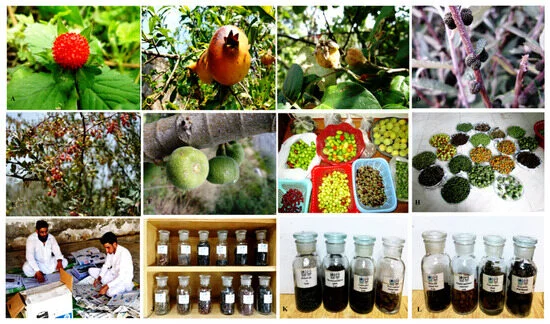
justjlm.org – The ethnobotanical study of wild fruits encompasses the exploration of the cultural significance and various uses of these natural resources among different communities worldwide. Wild fruits, often overlooked in the modern era of cultivated produce, hold a wealth of knowledge and tradition that has been passed down through generations. This article delves into the multifaceted roles wild fruits play in human societies, from their nutritional value to their medicinal properties and cultural importance.

Cultural Significance of Wild Fruits

Wild fruits have been an integral part of human diets since prehistoric times, and their significance extends beyond mere sustenance. They are often woven into the fabric of cultural traditions, folklore, and rituals. For instance, the gathering of wild fruits can be a communal activity that strengthens social bonds and transmits cultural knowledge. In many indigenous communities, wild fruits are associated with specific seasons or events, marking the passage of time and the rhythm of life.

Nutritional Value and Culinary Uses

The nutritional value of wild fruits is often superior to that of their domesticated counterparts, as they are rich in vitamins, minerals, and antioxidants. These fruits are consumed fresh, dried, or processed into jams, juices, and wines. They can also be used as ingredients in traditional dishes, contributing to the unique flavors and culinary heritage of a region. The versatility of wild fruits in the kitchen is a testament to their enduring importance in human diets.

Medicinal Properties and Traditional Healing

Many wild fruits possess medicinal properties that have been utilized in traditional healing practices for centuries. From treating common ailments like colds and digestive issues to more serious conditions, wild fruits are a valuable resource in ethnomedicine. The knowledge of these medicinal uses is often passed down orally, ensuring the preservation of this ancient wisdom.

Conservation and Sustainable Harvesting

As the world becomes increasingly aware of the importance of biodiversity, the conservation of wild fruit species has gained attention. Sustainable harvesting practices are crucial to ensure the survival of these plants and the continuation of the cultural practices associated with them. Efforts to protect natural habitats and promote responsible collection methods are vital for the preservation of wild fruits and the traditions they support.

Conclusion

The ethnobotany of wild fruits is a rich field that bridges the gap between nature, culture, and human health. By understanding the cultural significance and uses of wild fruits, we can appreciate the depth of human-plant relationships and the importance of preserving these valuable resources for future generations. As we continue to explore the myriad benefits of wild fruits, we must also commit to their conservation, ensuring that they remain a part of our cultural and biological heritage.