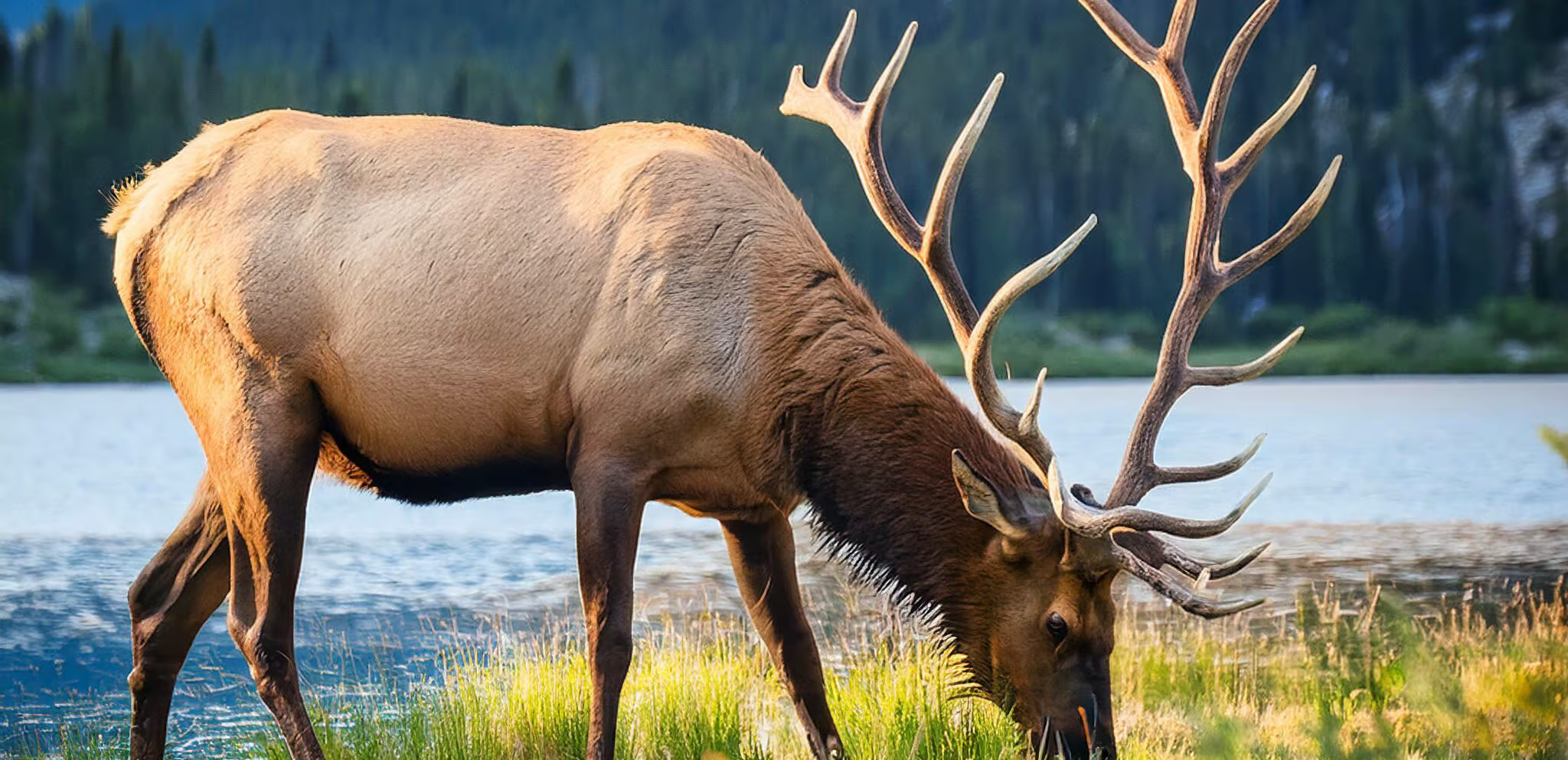
justjlm.org – Elk (Cervus canadensis), also known as wapiti, are one of the largest species in the deer family and are native to North America and parts of Asia. These magnificent herbivores are known for their diverse diet, which shifts with the seasons and depends on their habitat. Elk are both grazers and browsers, meaning they feed on grasses as well as shrubs, leaves, and bark. Their diet plays a key role in shaping their behavior, migration, and overall survival. Let’s explore the various components of an elk’s diet and how it changes throughout the year.
1. Grasses: The Foundation of Their Diet
Grasses make up the majority of an elk’s diet, especially in the spring and summer months when they are readily available. Elk graze on a wide variety of grasses, including bluegrass, fescue, and wheatgrass. These grasses provide the bulk of their daily energy needs, as they are rich in carbohydrates and relatively easy to digest. Elk are efficient grazers and spend hours each day feeding on grass to maintain their large bodies and support their active lifestyle.
2. Forbs: Nutrient-Rich Wildflowers
Forbs, which are non-grass herbaceous plants, are another key part of an elk’s diet, especially in the spring and summer. These include wildflowers, clovers, and dandelions. Forbs are rich in essential vitamins and minerals, making them an important supplement to the elk’s diet. Forbs also offer variety, and elk selectively forage for these nutrient-dense plants when they are in season.
3. Shrubs and Bushes: A Browsing Staple
Elk are also browsers, which means they consume woody plants, especially in the fall and winter when grasses and forbs become scarce. They feed on the twigs, leaves, and buds of shrubs such as willows, sagebrush, aspen, and serviceberry. Browsing allows elk to survive during the colder months when snow may cover grasses and other ground-level vegetation. Their large size and long legs help them reach higher branches and twigs that smaller herbivores cannot access.
4. Bark and Twigs: Winter Survival Foods
During the winter, elk rely heavily on woody plants, eating bark, twigs, and small branches when other food sources are limited. Tree bark, though tough and fibrous, provides essential nutrients like carbohydrates and minerals that elk need to endure the harsh winter months. They strip bark from trees such as aspen and lodgepole pine, using their strong teeth to gnaw at the tough outer layers. This foraging behavior is critical for their survival when snow covers the ground.
5. Mosses and Lichens: A Low-Nutrient Backup
When food is scarce in winter, elk may also eat mosses and lichens. While these are not as nutrient-dense as grasses or forbs, they provide fiber and some sustenance during particularly harsh conditions. Mosses and lichens can be found on trees and rocks, offering an alternative food source when other vegetation is buried under deep snow.
6. Seasonal Variation in Diet
Elk’s diet changes dramatically with the seasons, reflecting the availability of different food sources:
- Spring and Summer: In these seasons, elk graze extensively on fresh grasses and forbs. The abundance of high-quality forage allows them to build fat reserves and gain weight after the lean winter months. During this time, they also take advantage of wildflowers and other plants that are rich in vitamins and minerals.
- Fall: As fall arrives, elk begin to shift their diet towards more browsing, consuming twigs, leaves, and shrubs as grasses dry out. This dietary shift helps them prepare for the upcoming winter months when food becomes scarce.
- Winter: Winter is the most challenging time for elk, as snow covers much of their preferred grazing areas. They rely more on woody plants, such as shrubs and the bark of trees, to get the nutrients they need. Elk will travel to lower elevations or more sheltered areas to find food, using their large size and endurance to endure long, cold months.
7. Water Needs
Elk obtain much of their water from the plants they consume, especially during the spring and summer when grasses and forbs are rich in moisture. However, they also need access to fresh water sources, such as rivers, streams, or ponds. Elk often congregate around water sources, particularly in dry summer months when hydration is crucial.
8. Foraging Habits and Daily Intake
Elk are crepuscular, meaning they are most active during dawn and dusk, which is when they do the majority of their feeding. An adult elk can consume between 7 to 9 kilograms (15 to 20 pounds) of food per day, depending on the season and availability of food. In summer, elk may graze continuously for hours to store up energy, while in winter, they conserve energy by moving less and foraging more selectively.
9. Digestive Adaptations
Like other ruminants, elk have a four-chambered stomach that allows them to efficiently digest tough plant materials. After ingesting food, elk regurgitate and chew their cud to further break down the fibers and extract more nutrients. This process enables them to maximize the nutritional value of the fibrous grasses, shrubs, and bark they consume, especially in winter when food is less nutritious.
10. Migration and Food Availability
Elk are migratory animals, and their movement is often dictated by the availability of food. In the spring and summer, elk migrate to higher elevations where lush meadows offer abundant grazing opportunities. In fall and winter, they move to lower elevations or valleys where food is more accessible, and snow cover is less severe. These migrations help elk maintain a steady supply of food throughout the year.
Conclusion
Elk are versatile herbivores with a diet that includes grasses, forbs, shrubs, and bark. Their ability to switch between grazing and browsing helps them survive in diverse habitats and through changing seasons. Their foraging habits, migration patterns, and dietary adaptations all contribute to their survival in the wild, from lush summer meadows to snow-covered winter forests. Understanding and protecting the ecosystems that provide food for elk is crucial to ensuring the long-term health of these majestic animals.