Durian: The King of Fruits, A Controversial Delight

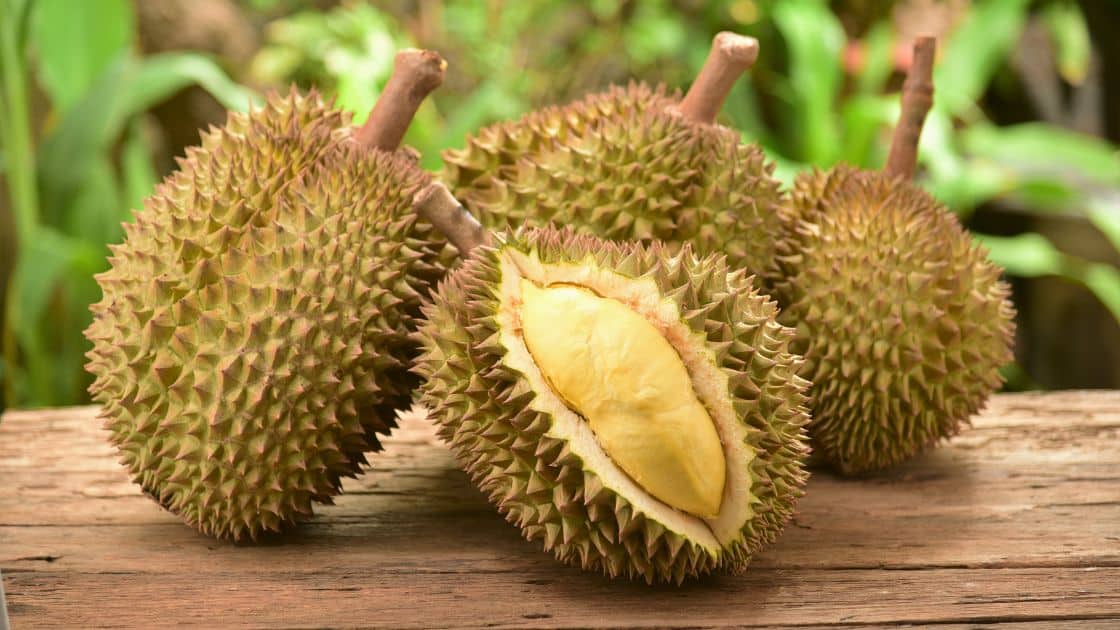
justjlm.org – The durian, a large, spiky fruit native to Southeast Asia, is often referred to as the “king of fruits.” However, this title is not without controversy. While some people rave about its creamy, custard-like flesh and complex flavors, others find its pungent odor overwhelming and repulsive. This article delves into the world of durian, exploring its unique characteristics, cultural significance, and the reasons behind its divisive reputation.   

A Controversial Aroma

The most distinctive feature of the durian is undoubtedly its pungent odor. This strong scent, which has been likened to everything from rotten eggs to turpentine, is caused by a complex mixture of sulfur compounds. While some people find this aroma intoxicating, others find it unbearable. In fact, many hotels and public transportation systems in Southeast Asia have signs prohibiting the consumption of durian due to its powerful smell.   

Despite its controversial odor, the durian has a long history of cultivation and consumption in Southeast Asia. It is particularly popular in countries such as Thailand, Malaysia, and Indonesia, where it is often enjoyed as a snack or used in various culinary preparations. The fruit is typically eaten fresh, but it can also be added to desserts, curries, and other dishes.   

A Nutritional Powerhouse

Beyond its distinctive flavor and aroma, the durian is also a nutritional powerhouse. It is an excellent source of carbohydrates, protein, and fiber, as well as essential vitamins and minerals such as vitamin C, potassium, and magnesium. The fruit is also rich in antioxidants, which can help protect the body against damage from free radicals.   

The Durian Experience

For those who are willing to brave the durian’s pungent odor, the reward is a unique and unforgettable taste experience. The flesh of the fruit is creamy and custard-like, with a sweet and savory flavor that has been described as a combination of caramel, almond, and onion. The texture is also quite interesting, ranging from soft and buttery to slightly fibrous, depending on the ripeness of the fruit.   

Cultivation and Harvest

Durian trees are large and evergreen, typically reaching heights of 25 to 30 meters. The trees produce large, spiky fruits that can weigh up to 3 kilograms. The durian season varies depending on the region, but it typically occurs between June and August in Southeast Asia.   

Harvesting durian is a delicate process that requires skill and experience. The fruits are typically harvested by hand, and great care is taken to avoid damaging the delicate flesh. Once harvested, the durians are often sold at local markets or exported to other countries.   

Conclusion

The durian, with its distinctive odor and unique flavor, is a truly polarizing fruit. While some people are repulsed by its smell, others find it to be an irresistible delicacy. Whether you love it or hate it, there is no denying that the durian is a fascinating and iconic fruit that has captured the imagination of people around the world.
Cultural Significance and Uses: The Ethnobotany of Wild Fruits

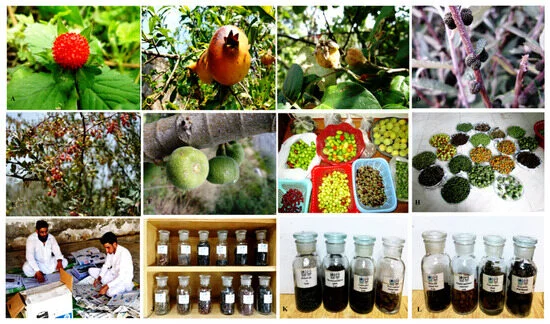
justjlm.org – The ethnobotanical study of wild fruits encompasses the exploration of the cultural significance and various uses of these natural resources among different communities worldwide. Wild fruits, often overlooked in the modern era of cultivated produce, hold a wealth of knowledge and tradition that has been passed down through generations. This article delves into the multifaceted roles wild fruits play in human societies, from their nutritional value to their medicinal properties and cultural importance.

Cultural Significance of Wild Fruits

Wild fruits have been an integral part of human diets since prehistoric times, and their significance extends beyond mere sustenance. They are often woven into the fabric of cultural traditions, folklore, and rituals. For instance, the gathering of wild fruits can be a communal activity that strengthens social bonds and transmits cultural knowledge. In many indigenous communities, wild fruits are associated with specific seasons or events, marking the passage of time and the rhythm of life.

Nutritional Value and Culinary Uses

The nutritional value of wild fruits is often superior to that of their domesticated counterparts, as they are rich in vitamins, minerals, and antioxidants. These fruits are consumed fresh, dried, or processed into jams, juices, and wines. They can also be used as ingredients in traditional dishes, contributing to the unique flavors and culinary heritage of a region. The versatility of wild fruits in the kitchen is a testament to their enduring importance in human diets.

Medicinal Properties and Traditional Healing

Many wild fruits possess medicinal properties that have been utilized in traditional healing practices for centuries. From treating common ailments like colds and digestive issues to more serious conditions, wild fruits are a valuable resource in ethnomedicine. The knowledge of these medicinal uses is often passed down orally, ensuring the preservation of this ancient wisdom.

Conservation and Sustainable Harvesting

As the world becomes increasingly aware of the importance of biodiversity, the conservation of wild fruit species has gained attention. Sustainable harvesting practices are crucial to ensure the survival of these plants and the continuation of the cultural practices associated with them. Efforts to protect natural habitats and promote responsible collection methods are vital for the preservation of wild fruits and the traditions they support.

Conclusion

The ethnobotany of wild fruits is a rich field that bridges the gap between nature, culture, and human health. By understanding the cultural significance and uses of wild fruits, we can appreciate the depth of human-plant relationships and the importance of preserving these valuable resources for future generations. As we continue to explore the myriad benefits of wild fruits, we must also commit to their conservation, ensuring that they remain a part of our cultural and biological heritage.