Barbagiuan: A Taste of Monaco’s Culinary Heritage

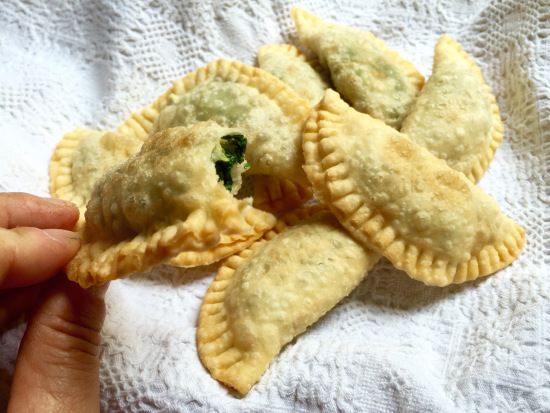
justjlm.org – Barbagiuan, often considered Monaco’s national dish, is a savory pastry that encapsulates the rich culinary traditions of the French Riviera. These delectable treats are typically filled with a savory mixture of ricotta cheese and Swiss chard, although variations may include other ingredients like pumpkin or spinach.   

A Brief History

The origins of Barbagiuan can be traced back to the medieval town of Castellar, located in the Alpes-Maritimes department of France. It is believed that women from Castellar would travel to Monaco to sell these savory pastries in the local markets. Over time, Barbagiuan became a beloved part of Monegasque cuisine, particularly enjoyed on the country’s National Day, November 19th.   

The Making of a Barbagiuan

Creating a Barbagiuan involves a delicate balance of flavors and textures. The process typically involves the following steps:

  1. Preparing the Dough: A simple dough is made with flour, olive oil, eggs, and water. It is rolled out thinly and cut into rounds.   
  2. Creating the Filling: The filling is a flavorful combination of ricotta cheese, Swiss chard, and other ingredients like herbs, spices, and garlic. The mixture is cooked until the chard is tender and the flavors are well-blended. 
  3. Assembling the Barbagiuan: A spoonful of the filling is placed in the center of each dough round. The edges are then pinched together to form a half-moon shape.
  4. Frying to Perfection: The Barbagiuan are deep-fried until golden brown and crispy.   

A Culinary Experience

Barbagiuan offers a delightful contrast of textures and flavors. The crispy outer shell gives way to a soft, savory filling that is both comforting and satisfying. These pastries are often enjoyed as an appetizer or a light snack, but they can also be part of a larger meal.

While Barbagiuan is a traditional dish, it has also inspired modern culinary creations. Chefs have experimented with different fillings, such as mushroom and truffle, to create unique and innovative versions of this classic treat.
Acarajé: A Taste of Brazil’s Culinary Heritage

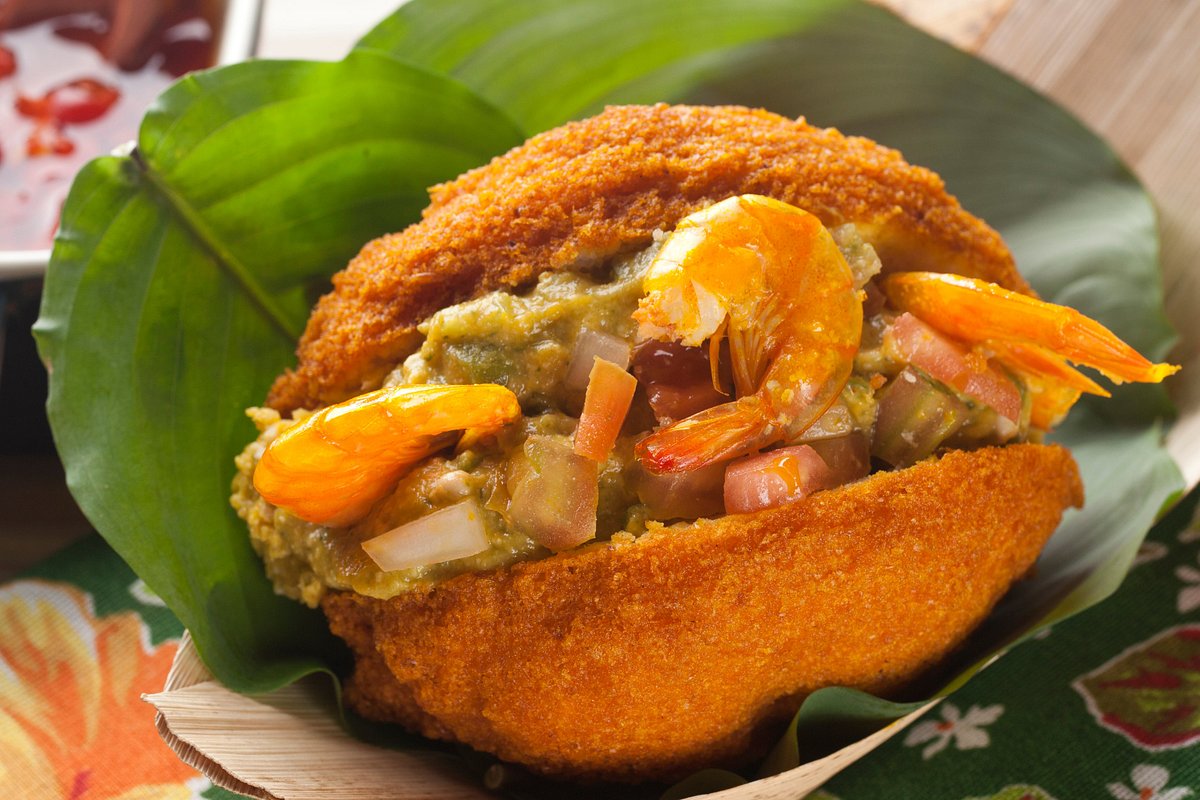
justjlm.org – Acarajé is a beloved street food hailing from the northeastern region of Brazil, particularly popular in the state of Bahia. This deep-fried delicacy is not just a treat for the taste buds but also a significant cultural symbol with deep roots in Afro-Brazilian traditions. Made from black-eyed pea dough and often filled with shrimp, acarajé is a dish that embodies the rich history and vibrant flavors of Brazilian cuisine.

Historical Roots and Cultural Significance

The origins of acarajé can be traced back to West Africa, brought to Brazil by enslaved Africans during the transatlantic slave trade. In Brazil, it became a staple in Candomblé religious ceremonies, where it was offered to the deities, or “orixás.” Today, acarajé is more than just a food item; it is a representation of the Afro-Brazilian community’s resilience and cultural heritage.

Ingredients and Preparation

Acarajé is traditionally made using black-eyed peas, which are peeled and ground into a smooth dough. The dough is seasoned with salt and onions before being shaped into balls or patties. These are then deep-fried in dendê oil, a type of palm oil that imparts a distinct, rich flavor to the dish.

The filling of acarajé typically includes a spicy paste made from shrimp, cashews, peanuts, and a blend of spices like ginger and pepper. This filling adds a savory and spicy dimension to the already flavorful dough.

Serving and Enjoyment

Acarajé is often served hot, accompanied by a variety of condiments and sides such as vatapá (a creamy paste made from bread, shrimp, coconut milk, and palm oil) and caruru (a dish made from okra, shrimp, and palm oil). The combination of these ingredients creates a complex and satisfying flavor profile that is both spicy and savory.

In Bahia, acarajé is commonly sold by women known as “baianas,” who don traditional white dresses and headscarves as they prepare and sell the dish from street stalls. Their presence is as much a part of the acarajé experience as the food itself, adding to the cultural richness of this culinary tradition.

Conclusion

Acarajé is more than just a delicious snack; it is a symbol of cultural identity and historical continuity for the Afro-Brazilian community. Its preparation and consumption are acts of cultural preservation, celebrating the flavors and traditions that have been passed down through generations. Whether enjoyed on the bustling streets of Salvador or at a local festival, acarajé offers a taste of Brazil’s diverse and vibrant culinary landscape.