Elektra: The Enigmatic Villain – Character Evolution

justjlm.org – Elektra is one of the most complex characters in the Marvel Comics universe. Known for her formidable combat skills and enigmatic personality, she oscillates between being an anti-hero and a villain, making her a character of considerable depth and intrigue. Created by Frank Miller, she first appeared in “Daredevil” #168 in 1981 and quickly became a fan favorite due to her unique blend of allure, mystery, and lethal prowess.

Origin and Background

Elektra Natchios, daughter of a Greek ambassador, was born into privilege but experienced tragedy early in her life when her father was assassinated. This event set her on a path of vengeance and self-discovery. Elektra’s journey led her to train in martial arts, becoming an expert in various fighting styles and weaponry, most notably her iconic twin Sai. Her path crossed with Matt Murdock, also known as Daredevil, with whom she shares a complex and tumultuous relationship.

Character Evolution

Elektra’s character is defined by her internal struggle between her humanity and the darker urges of her assassin lifestyle. Her storylines often explore themes of redemption, love, and betrayal. As a member of the Hand, a secretive and deadly ninja clan, Elektra has been both ally and adversary to Daredevil, contributing to her unpredictable nature. Her moral ambiguity makes her a compelling character, as she often operates in the gray areas of heroism and villainy.

Powers and Abilities

Elektra’s prowess as a fighter is unmatched. She possesses exceptional agility, strength, and reflexes, which she combines with her martial arts expertise to become a formidable opponent. Her skills are further enhanced by her ability to blend into shadows, making her an expert in stealth and infiltration. In addition to her physical abilities, Elektra has a keen intellect and strategic mind, often outsmarting her adversaries.

Cultural Impact

Elektra has transcended the pages of comic books to become a significant cultural icon. She has appeared in various media, including films, television series, and video games. Her portrayal by Jennifer Garner in the 2003 film “Daredevil” and the 2005 standalone movie “Elektra” brought her to a broader audience, although the character’s complexity was somewhat diluted in these adaptations.

Conclusion

Elektra remains one of the most fascinating characters in the Marvel universe, challenging the conventional notions of heroism and villainy. Her rich backstory, coupled with her dynamic relationships and internal conflicts, continue to captivate readers and viewers alike. As a character who defies easy categorization, Elektra embodies the complexity and nuance that makes comic book storytelling so compelling. Her legacy as a villain and anti-hero is firmly cemented in the annals of popular culture.

Embracing Change for a Better Future: Empowered Evolution

justjlm.org – In the rapidly changing landscape of the 21st century, the concept of “Empowered Evolution” is gaining prominence. It emphasizes the need for individuals and organizations to adapt and thrive amidst constant change. This article delves into the principles of empowered evolution, its significance in today’s world, and strategies to harness its potential for personal and professional growth.

Understanding Empowered Evolution

Empowered evolution is about actively embracing change and leveraging it as a catalyst for growth and improvement. It involves a proactive approach to personal and organizational development, where adaptability and resilience are key. Unlike passive adaptation, empowered evolution requires taking deliberate actions to shape one’s path and influence the environment positively.

The Importance of Empowered Evolution

In an era defined by technological advancements and global shifts, the ability to evolve is crucial. Empowered evolution allows individuals and businesses to stay relevant and competitive. It fosters innovation by encouraging a mindset that is open to new ideas and willing to experiment. Moreover, it builds resilience, enabling people to navigate challenges and uncertainties with confidence.

Strategies for Embracing Empowered Evolution

  1. Cultivating a Growth Mindset: Adopting a mindset that sees challenges as opportunities for learning and growth is fundamental. This involves viewing failures as stepping stones to success and being open to feedback and new experiences.
  2. Continuous Learning: Staying informed and acquiring new skills is essential for empowerment. Engaging in lifelong learning through formal education, online courses, or self-directed study helps individuals remain adaptable.
  3. Leveraging Technology: Embracing digital tools and technologies can enhance efficiency and innovation. Staying updated with technological trends allows for smarter decision-making and improved problem-solving.
  4. Building Collaborative Networks: Creating and nurturing relationships with diverse groups fosters the exchange of ideas and resources. Collaboration often leads to innovative solutions and shared success.

Conclusion

Empowered evolution is more than just adapting to change; it’s about taking charge of one’s journey and driving positive transformation. By embracing this approach, individuals and organizations can unlock their potential and create a future that is not only adaptable but also sustainable and thriving. As we look ahead, empowered evolution offers a pathway to navigate the complexities of our world with hope and determination.

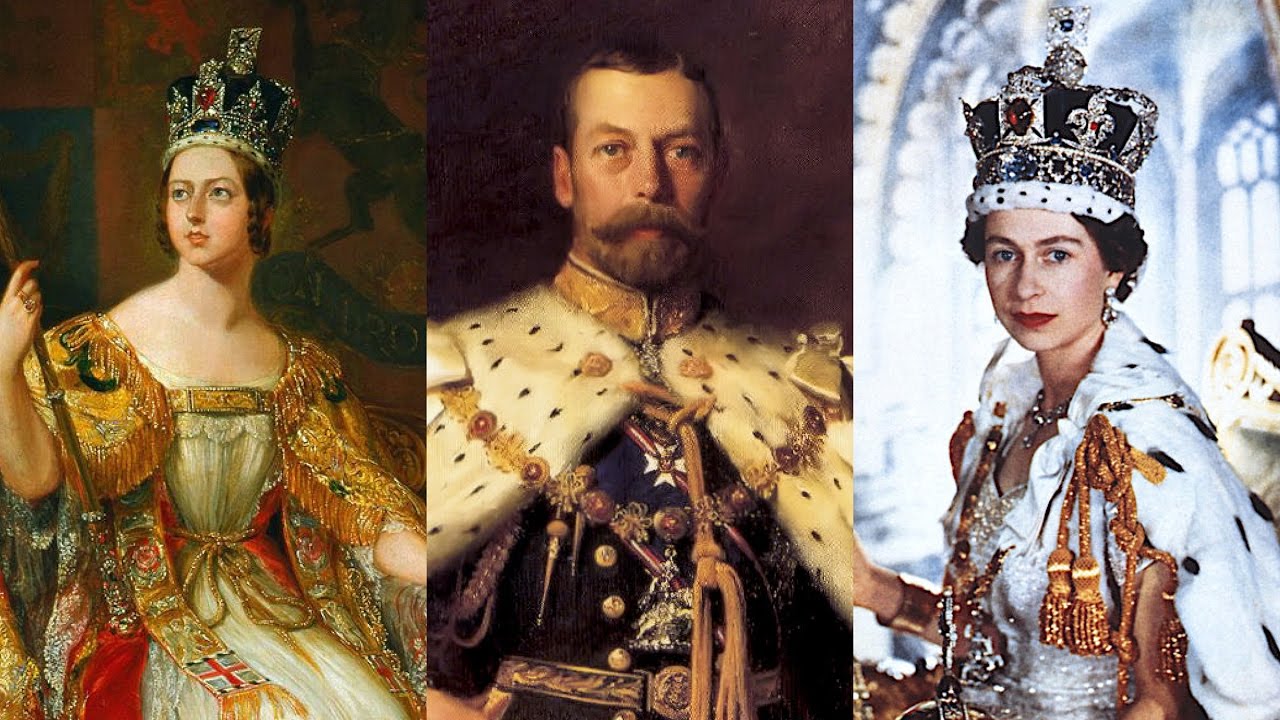
The Evolution of Royal Families: Monarchy and Modernity

justjlm.org – In an era where democracy and egalitarianism are the prevailing ideologies, the concept of monarchy might seem anachronistic. Yet, royal families around the world continue to thrive, adapting to the modern age while maintaining their historical significance. This article explores the evolution of royal families, examining how they have embraced modernity while preserving their traditional roles.

The Changing Role of Monarchy:
Monarchies have traditionally been associated with absolute power, divine right, and a clear distinction between the ruling class and the common populace. However, the 20th and 21st centuries have seen a significant shift in the role of monarchs. Many have transitioned from absolute rulers to constitutional monarchs, with their powers limited by a constitution and a parliamentary system. This change has allowed monarchies to survive and even flourish in democratic societies.

Modern Monarchies: Symbols of Unity and Continuity:
In today’s world, royal families often serve as symbols of national unity and continuity. They represent the historical heritage of their countries, providing a link to the past while engaging with contemporary issues. Monarchs and their families participate in charitable work, support cultural and sporting events, and act as ambassadors on the international stage. Their visibility and involvement in public life help to maintain a sense of national identity and pride.

Adapting to the Digital Age:
The digital revolution has had a profound impact on how royal families communicate with the public. Social media platforms have become essential tools for engaging with a global audience. Royal families use these channels to share news, photos, and videos, offering a glimpse into their lives and work. This digital presence has made the monarchy more accessible and relatable to younger generations.

Balancing Tradition and Modernity:
One of the greatest challenges for modern monarchies is balancing tradition with the need for change. Royal families must uphold centuries-old customs and ceremonies while also addressing contemporary social issues. This includes embracing diversity, promoting environmental sustainability, and advocating for social justice. By doing so, they demonstrate their relevance and commitment to the welfare of their citizens.

The Future of Monarchy:
The future of monarchy lies in its ability to continue evolving. Younger generations of royals, who are more in tune with modern values and lifestyles, are poised to take on leadership roles. They bring fresh perspectives and a willingness to break with some of the more rigid traditions. As they do so, they will need to navigate the delicate balance between tradition and innovation, ensuring that the monarchy remains a respected and cherished institution.

Conclusion:
Monarchy and modernity are not mutually exclusive concepts. Royal families around the world have shown remarkable resilience and adaptability, transforming themselves to meet the demands of the modern age. By embracing change while preserving their historical significance, they continue to play a unique role in their societies. The evolution of royal families is a testament to their enduring relevance and the complex interplay between tradition and progress in the 21st century.