“A Man and a Woman”: A Timeless Love Story

justjlm.org – Claude Lelouch’s 1966 cinematic masterpiece, “A Man and a Woman,” is a poignant exploration of love, loss, and the enduring power of human connection. This French romantic drama, starring Anouk Aimée and Jean-Louis Trintignant, captivated audiences worldwide with its innovative storytelling, stunning visuals, and unforgettable soundtrack.   

A Chance Encounter, A Blossoming Romance

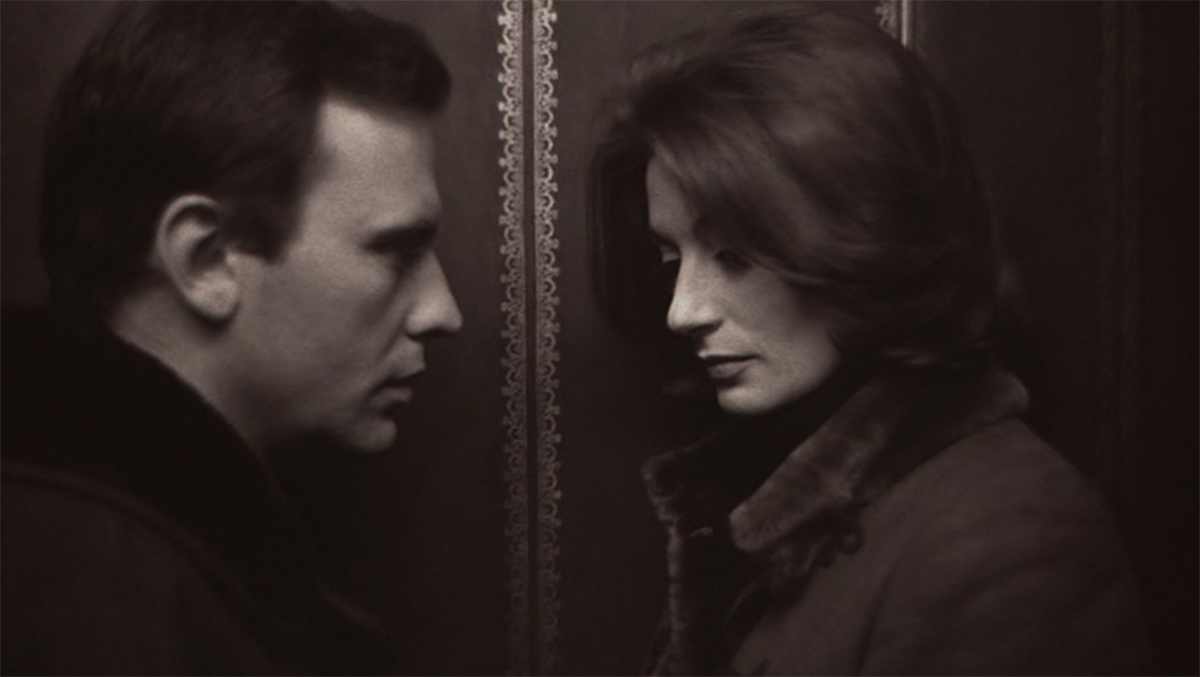
The film unfolds as a series of elegant vignettes, each painting a vivid picture of the lives of two widowed individuals, Anne and Jean-Louis. Their paths cross unexpectedly at their children’s boarding school, where a spark ignites between them. Despite their shared grief, they find solace in each other’s company, their connection deepening with each passing moment.   

A Visual Feast

Lelouch’s masterful use of color, black-and-white, and sepia-toned sequences creates a visually striking and emotionally resonant experience. The film’s cinematography is nothing short of breathtaking, capturing the beauty of the French countryside and the intimate moments between the protagonists. The seamless transitions between these visual styles enhance the narrative, emphasizing the characters’ evolving relationship and the passage of time.   

An Iconic Soundtrack

Francis Lai’s haunting score is an integral part of the film’s enduring legacy. The title track, “A Man and a Woman,” became an international sensation, its melody synonymous with love and longing. Lai’s music perfectly complements the film’s emotional depth, elevating the storytelling to new heights.   

A Lasting Impact

“A Man and a Woman” was a groundbreaking film for its time, pushing the boundaries of cinematic storytelling. It garnered critical acclaim and numerous awards, including the Palme d’Or at the Cannes Film Festival and two Academy Awards. The film’s impact extends beyond its cinematic achievements, resonating with audiences across generations.   

A Love Story for the Ages

“A Man and a Woman” is a timeless love story that continues to captivate audiences with its poignant portrayal of human emotion. Its elegant visuals, evocative soundtrack, and compelling performances make it a cinematic masterpiece that will be cherished for years to come.
Once Upon a Time in the West (1968): A Cinematic Masterpiece

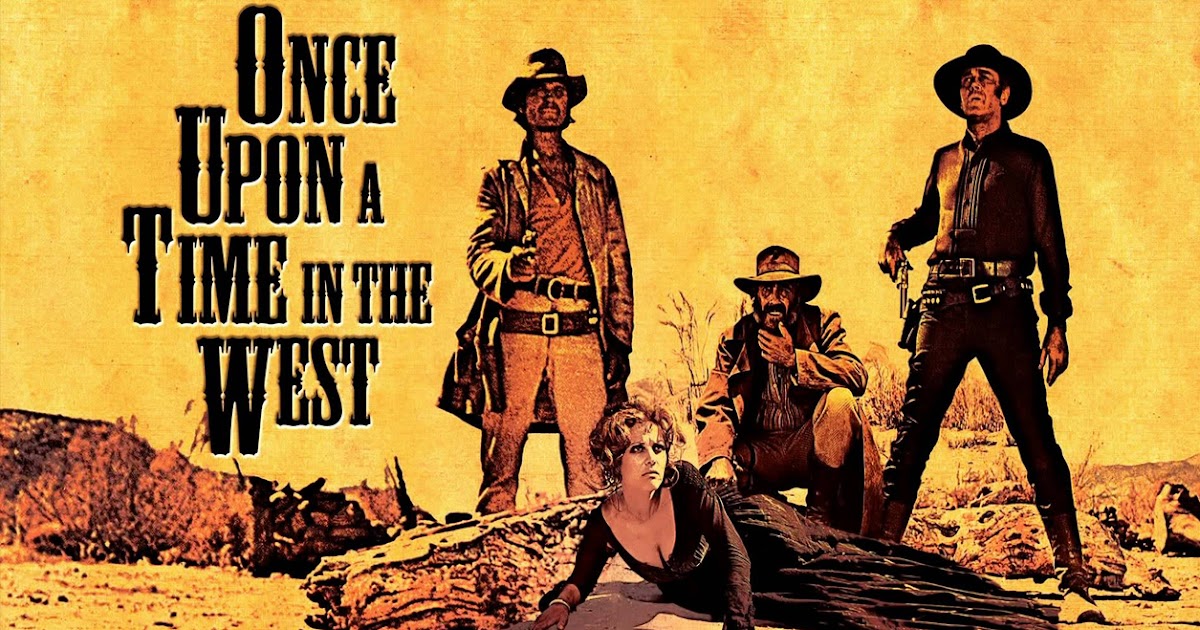
justjlm.org – “Once Upon a Time in the West” is a 1968 epic spaghetti Western film directed by the legendary Italian filmmaker Sergio Leone. Known for its grandiose storytelling and striking visuals, the film is considered one of the greatest Westerns ever made. It marks a transition from Leone’s earlier works, particularly his famous “Dollars Trilogy,” and showcases his masterful ability to blend intense drama with sweeping cinematic landscapes.

Plot Overview

Set against the backdrop of the expanding American frontier, “Once Upon a Time in the West” weaves a complex tale of revenge, betrayal, and the relentless march of progress. The film centers around a mysterious harmonica-playing gunslinger (played by Charles Bronson), a ruthless outlaw named Frank (Henry Fonda in a rare villainous role), and a newly widowed homesteader named Jill McBain (Claudia Cardinale). As their paths intersect, a narrative unfolds that is rich in symbolism and deep in emotional resonance.

Cinematic Style and Influence

Leone’s directorial style is on full display in this film, characterized by his use of long takes, extreme close-ups, and a carefully crafted soundscape that includes the iconic score by Ennio Morricone. The film’s cinematography, executed by Tonino Delli Colli, captures the sweeping landscapes and gritty details that define the Western genre. Leone’s dedication to visual storytelling is evident in the film’s opening scene, which features minimal dialogue but sets the tone for the entire narrative.

Themes and Legacy

“Once Upon a Time in the West” explores themes of transformation and the inevitable passage of time. It reflects on the end of the Old West and the birth of a new era, symbolized by the construction of a railroad. The film is not only a tribute to the Western genre but also a commentary on the myths that surround it.

The film’s influence can be seen in countless Westerns and other genres that followed. Its operatic style and profound character studies have inspired filmmakers worldwide, cementing its place as a cornerstone of cinematic history.

Conclusion

More than just a Western, “Once Upon a Time in the West” is a cinematic experience that transcends its genre. Through its masterful direction, unforgettable performances, and poignant themes, it remains a timeless classic that continues to captivate audiences and inspire filmmakers. Sergio Leone’s magnum opus is a testament to the power of cinema and its ability to tell stories that resonate through the ages.

Let the Bullets Fly: A Satirical Masterpiece of Chinese Cinema

justjlm.org – Let the Bullets Fly (2010), directed by Jiang Wen, is an exceptional blend of action, comedy, and social commentary set in the warlord era of 1920s China. This Chinese film quickly became a cultural sensation, captivating audiences with its clever script, star-studded cast, and intricate plot. In this article, we delve into the film’s narrative, themes, and its impact on both domestic and international audiences.

A Synopsis of Chaos and Comedy

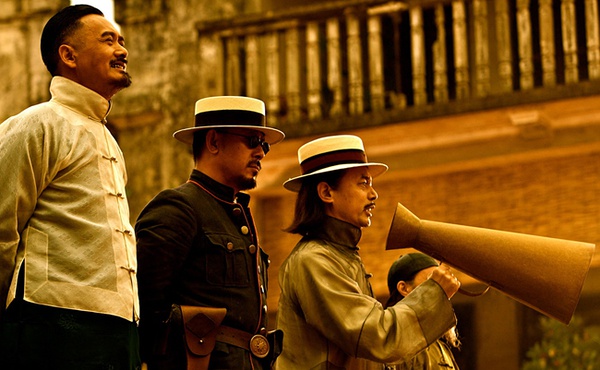
The film opens with a bandit leader, Zhang Muzhi (played by Jiang Wen), hijacking a train carrying a newly appointed governor, Ma Bangde (played by Ge You), and his wife. What follows is a series of comedic and action-packed events as Zhang and his gang attempt to usurp power in the small town of Goose Town. Amidst the chaos, they encounter the local tyrant, Master Huang (played by Chow Yun-fat), setting the stage for a power struggle filled with witty banter, unexpected twists, and explosive action sequences.

Themes: Power, Corruption, and Satire

At its core, Let the Bullets Fly is a satire on power dynamics and corruption. Through its humorous portrayal of characters and situations, the film critiques the societal structures and the often absurd nature of authority and greed. The characters, each driven by their own motives, reflect the complexities of human nature and the moral ambiguities that come with power.

Jiang Wen’s direction masterfully balances the film’s comedic elements with its darker undertones, creating a narrative that is both entertaining and thought-provoking. The film’s dialogue is sharp and layered with meaning, offering viewers a chance to reflect on the parallels between the fictional world of Goose Town and real-world political landscapes.

Cinematic Brilliance and Cultural Impact

Let the Bullets Fly is not only a critical success but also a box office hit, becoming the highest-grossing domestic film in China at the time of its release. The film’s success can be attributed to its engaging storytelling, strong performances, and its ability to resonate with audiences through its universal themes.

The cinematography and production design capture the essence of the era, with meticulous attention to detail in costumes and sets that transport viewers to a time of historical significance. The film’s score, composed by Joe Hisaishi, further enhances its dynamic narrative, adding depth to the emotional and action-packed moments.

Conclusion: A Timeless Classic

Let the Bullets Fly stands as a testament to Jiang Wen’s prowess as a filmmaker and his ability to craft a film that is both entertaining and meaningful. Its impact on Chinese cinema is undeniable, influencing a new wave of filmmakers and garnering international acclaim. As a film that transcends cultural and linguistic barriers, Let the Bullets Fly remains a must-watch for cinema enthusiasts and serves as a powerful commentary on the timeless themes of power and human nature.

The Intriguing World of “PK”: A Cinematic Masterpiece

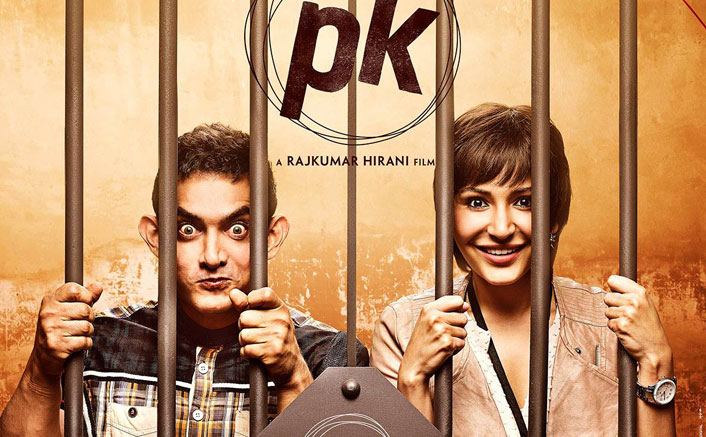
justjlm.org – “PK” is a 2014 Indian satirical comedy-drama film directed by Rajkumar Hirani and produced by Hirani and Vidhu Vinod Chopra. Starring Aamir Khan in the titular role, the film is renowned for its unique storyline, thought-provoking themes, and exceptional performances. It cleverly combines humor and social commentary, making it a memorable piece of cinema.

Plot Summary

The film revolves around an alien named PK, who lands on Earth with a mission to understand human life. However, his remote control, which is essential for his return to his spaceship, gets stolen. As PK embarks on a quest to retrieve it, he encounters the complexities of human society, particularly focusing on religious beliefs, rituals, and practices.

Themes and Social Commentary

“PK” boldly addresses several societal issues, primarily questioning the blind faith and commercialization associated with religion. Through PK’s innocent and child-like perspective, the film challenges viewers to reconsider their beliefs and the influence of religious institutions. It encourages a dialogue about tolerance, humanity, and the essence of spirituality.

Aamir Khan’s Stellar Performance

Aamir Khan’s portrayal of PK is one of the highlights of the film. His ability to embody the curiosity and innocence of an alien trying to navigate the intricacies of human culture is commendable. Khan’s performance is both humorous and poignant, adding depth to the film’s narrative.

Direction and Cinematography

Rajkumar Hirani’s direction is masterful, seamlessly blending comedy with social critique. The screenplay, co-written by Hirani and Abhijat Joshi, is sharp and engaging. The cinematography by C.K. Muraleedharan captures the vibrant landscapes of India, enhancing the film’s visual appeal.

Music and Soundtrack

The film’s music, composed by Shantanu Moitra, Ajay-Atul, and Ankit Tiwari, complements the narrative beautifully. Songs like “Bhagwan Hai Kahan Re Tu” and “Love is a Waste of Time” are not only melodious but also integral to the storyline.

Impact and Reception

Upon its release, “PK” received widespread critical acclaim and commercial success. It became one of the highest-grossing Indian films of all time, resonating with audiences globally. The film sparked discussions on religious practices and belief systems, highlighting its impact beyond just entertainment.

Conclusion

“PK” is more than just a film; it’s a thought-provoking exploration of human society through the eyes of an outsider. With its blend of humor, emotion, and social commentary, “PK” remains a significant work in Indian cinema, encouraging viewers to reflect on their beliefs and the world around them.