
The Skin Saviors: Products That Work Wonders

justjlm.org – Navigating the vast world of skincare can be overwhelming, but finding the right products can transform your skin. Here, we explore some must-have skincare products that deliver results and why they deserve a spot in your routine.

Cleanse with Care

A good cleanser is the foundation of any effective skincare routine. Look for a gentle, sulfate-free cleanser that suits your skin type. For dry skin, opt for a creamy formula that hydrates and nourishes. For oily or acne-prone skin, consider a gel-based cleanser with salicylic acid to help control oil and breakouts.

The Power of Serums

Serums are concentrated formulas designed to target specific skin concerns. Vitamin C serums are excellent for brightening and evening out skin tone, while hyaluronic acid serums provide intense hydration. For anti-aging benefits, consider a serum with retinoids or peptides to promote collagen production.

Moisturizers That Matter

A good moisturizer locks in hydration and strengthens the skin barrier. Look for ingredients like ceramides, glycerin, and squalane. For daytime use, choose a lightweight formula with SPF to protect against UV damage. At night, opt for a richer cream to aid in skin repair and regeneration.

Exfoliators for Radiance

Exfoliation is key to maintaining smooth, glowing skin. Chemical exfoliants, such as AHAs and BHAs, gently dissolve dead skin cells without the harshness of physical scrubs. Regular use can improve skin texture and clarity, making these products essential for a radiant complexion.

Sunscreen: The Ultimate Protector

Sunscreen is non-negotiable for preventing premature aging and protecting against skin cancer. Choose a broad-spectrum sunscreen with at least SPF 30 and apply it daily, even on cloudy days. Products with zinc oxide or titanium dioxide offer physical protection and are suitable for sensitive skin.

Targeted Treatments

For specific concerns like acne, hyperpigmentation, or fine lines, targeted treatments can be highly effective. Spot treatments with benzoyl peroxide or salicylic acid can help clear breakouts, while products with niacinamide or kojic acid address hyperpigmentation.

Conclusion

The right products can make a significant difference in your skincare journey. By selecting cleansers, serums, moisturizers, exfoliators, sunscreen, and targeted treatments that suit your needs, you can achieve healthier, more radiant skin. Remember, consistency is key, and patience is vital as you discover the skin saviors that work wonders for you.
The Future of Factory Work: Assembly Lines and Automation

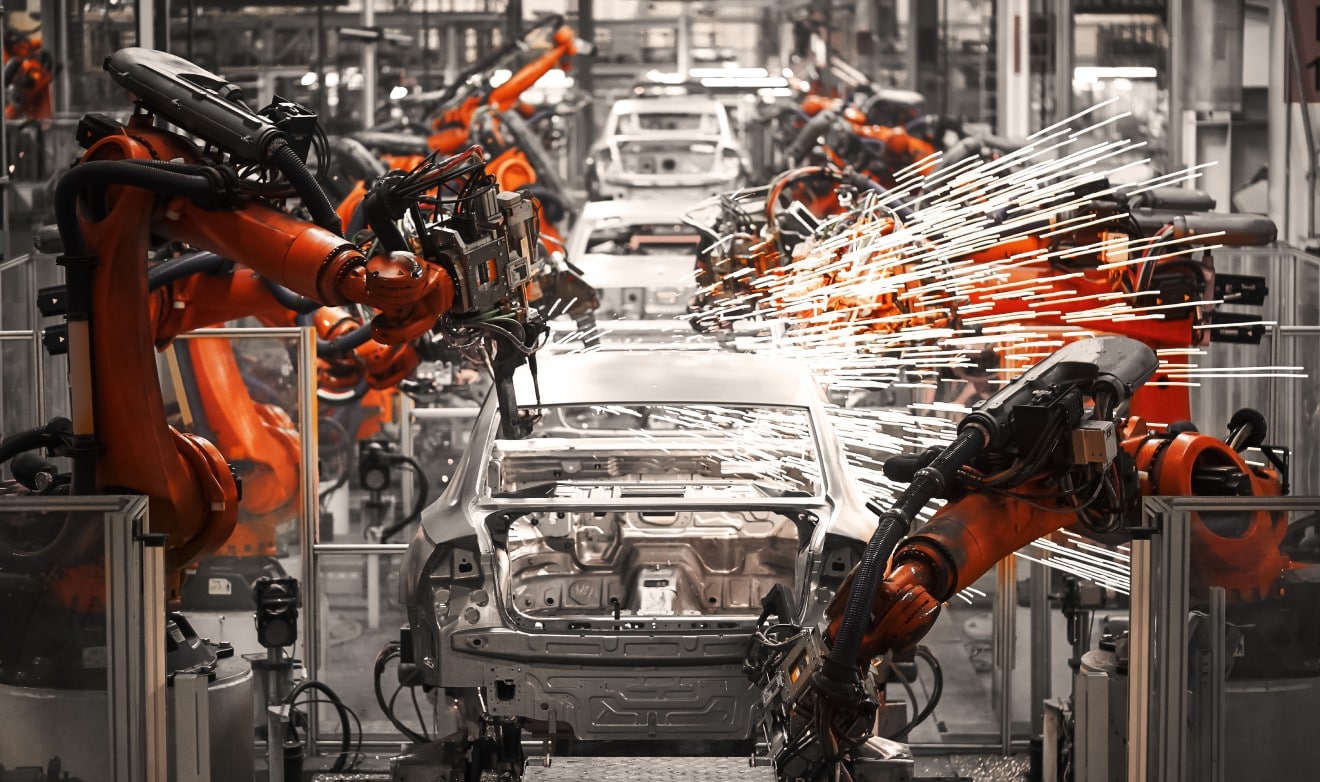
justjlm.org – The industrial revolution brought about a significant transformation in the way goods were produced, with the assembly line becoming a cornerstone of modern manufacturing. Since Henry Ford’s groundbreaking implementation of the moving assembly line in 1913, this concept has evolved, adapting to technological advancements and the changing demands of the global economy. Today, the integration of automation and robotics is reshaping the future of factory work, promising increased efficiency, precision, and productivity. This article explores the evolution of assembly lines, the impact of automation, and the implications for the workforce and industry as a whole.

The Evolution of Assembly Lines:
The assembly line revolutionized manufacturing by breaking down complex production processes into simpler, repetitive tasks. This division of labor allowed for mass production of goods, significantly reducing production time and costs. Over the years, assembly lines have become more sophisticated, incorporating conveyor belts, automated machinery, and computer-controlled systems to further streamline operations.

The Advent of Automation and Robotics:
Automation refers to the use of control systems, such as computers or robots, to operate equipment with minimal human intervention. In the context of assembly lines, automation can range from simple tasks like screwing in a bolt to complex operations involving precision welding or painting. Robotics, in particular, has become a key component of modern assembly lines, with robots capable of performing tasks that are dangerous, dirty, dull, or difficult for humans.

Benefits of Automation:
The integration of automation and robotics in assembly lines offers several benefits:

Increased Productivity: Automated systems can operate 24/7 without the need for breaks, leading to higher production rates.

Improved Quality: Robots can perform tasks with a level of precision and consistency that is difficult for humans to match, resulting in higher quality products.

Cost Savings: While the initial investment in automation can be significant, reduced labor costs and increased efficiency can lead to long-term savings.

Flexibility: Modern robots and automated systems are designed to be flexible, allowing for quick adjustments to produce different products or models on the same line.

The Future of Factory Work:
As automation continues to advance, the nature of factory work is undergoing a transformation. While there is a concern that robots will replace human jobs, the reality is more nuanced. Automation is likely to change the types of jobs available rather than eliminate them entirely. Workers will need to adapt by acquiring new skills, such as the ability to program, maintain, and troubleshoot automated systems.

Moreover, automation can free humans from monotonous tasks, allowing them to focus on more complex and creative aspects of production. This shift could lead to a more skilled and specialized workforce, with humans and robots working side by side in a collaborative environment.

Challenges and Considerations:
The transition to automated assembly lines is not without its challenges. There is an initial financial outlay for technology, the need for retraining workers, and the potential for job displacement in certain sectors. Additionally, there are ethical considerations regarding the balance between automation and human employment, as well as the importance of ensuring that the benefits of increased productivity are shared equitably.

Conclusion:
Assembly lines and automation are at the forefront of the future of factory work. As technology continues to evolve, manufacturers must embrace these advancements to remain competitive in a global market. However, this transition must be managed carefully, with attention to the needs of the workforce and the broader implications for society. By doing so, the industry can harness the full potential of automation to drive innovation, efficiency, and growth, while ensuring that the human element remains a vital part of the manufacturing process.